
Plants
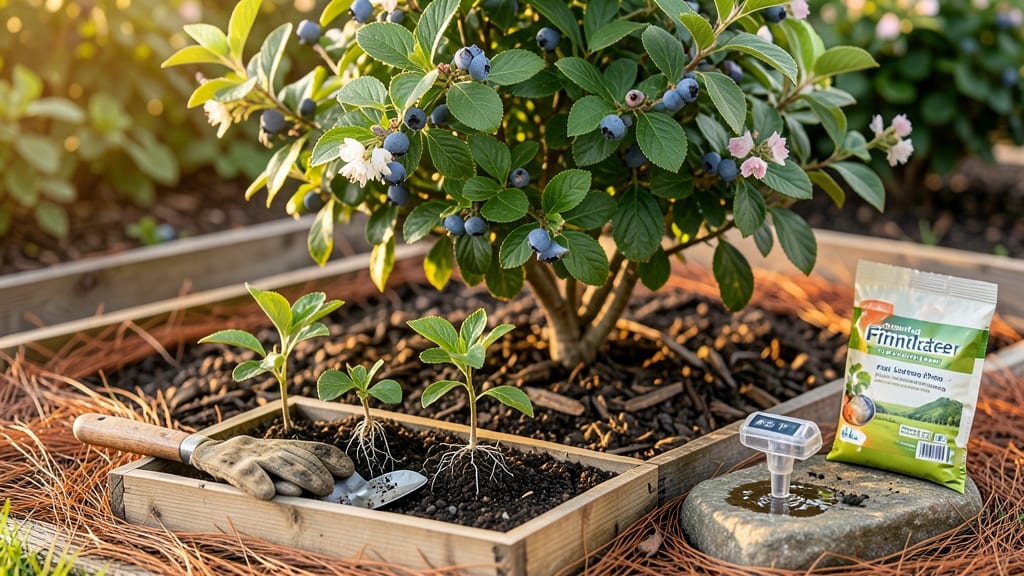
Timing your blueberry 🫐 planting in Zone 6 isn't just about the calendar—it's about matching your bushes to their chill-hour needs. Plant too early, and frost will nip tender roots; too late, and they won't establish before winter.
The sweet spot? Late April to early June, after the last frost, when soil warms to 60°F+—but the real secret lies in your variety's chill-hour requirements.
Most gardeners in Zone 6a overlook this critical detail, leading to stunted growth or no berries at all. Southern Highbush varieties need 300-500 chill hours, while Northern Highbush thrive with 600-900+.
Understanding these numbers means the difference between a bush that struggles and one that bursts with fruit by mid-summer.
I've planted blueberries in Zone 6 for years, and the best results come from preparing the soil with acid-loving amendments like peat moss or pine needles—plus choosing the right window.
Whether you're planting in-ground or containers, the timing matters just as much as the soil. Let me show you exactly how to get it right for your specific variety.
Ready to avoid the common mistakes that waste years of effort? We'll cover everything from soil prep to the best spring planting dates for your local microclimate. Your future harvest depends on it—and it starts with knowing exactly when to dig in that first shovel.

Zone 6 blueberry planting timeline: chill-hours breakdown by variety
Blueberries thrive in Zone 6, but their success hinges on chill hours—the number of hours below 45°F they need each winter. Most Zone 6 varieties require 300-1,000 chill hours, but timing your planting around these needs ensures strong root growth before dormancy.
Spring planting (after last frost) is ideal, but fall planting can work for varieties needing fewer chill hours.
Zone 6’s average last frost date is mid-April, but wait 2-3 weeks after this date to plant. Early planting risks frost damage, while late planting may delay root establishment.
The ideal window is late April through early June, when soil warms to 60°F+. This timing aligns with natural growth cycles and maximizes survival rates.
Blueberries fall into three main categories based on chill-hour needs: Southern Highbush (300-500 hours), Half-High (500-700 hours), and Rabbiteye (700-1,000+ hours). Choosing the right variety for your Zone 6 subregion (6a vs. 6b) is critical.
For example, 'Duke' (Southern Highbush) thrives in milder microclimates, while 'Bluecrop' (Half-High) handles colder pockets better.
Here’s how chill hours translate into planting windows for Zone 6:
| Variety Type | Chill Hours | Best Planting Window | Notes |
|---|---|---|---|
| Southern Highbush | 300-500 | Late April–Early May | Best for warmer microclimates; plant early to avoid heat stress. |
| Half-High | 500-700 | Early May–Mid-May | Versatile for most of Zone 6; ideal for container growing. |
| Rabbiteye | 700-1,000+ | Mid-May–Early June | Needs cooler winters; plant later to avoid early blooms. |
If you’re planting in containers, extend your window slightly—containers warm faster, so late May can still work. However, in-ground plantings benefit from the cooler soil temperatures of early spring, which reduce transplant shock. Always check your local microclimate; urban areas may frost later than rural zones.
Fall planting is risky in Zone 6 unless you’re in a milder subregion (6b). If you choose this route, plant 6-8 weeks before first frost (early September) to allow roots to establish.
Avoid fall planting for varieties needing high chill hours, as they may bloom prematurely the following spring.
Pro tip: Use mulch (pine needles or wood chips) after planting to insulate roots. This mimics their natural forest floor habitat and helps regulate soil temperature. Mulch also suppresses weeds, reducing competition for water and nutrients during the critical first growing season.
For container-grown blueberries, adjust your timeline by 1-2 weeks earlier. Containers heat up faster in spring, so planting in late April can give them a head start. Just ensure your pots have drainage holes and use a well-draining, acidic mix (pH 4.5-5.5).
Remember, blueberries are perennials, so planting at the right time sets the stage for decades of harvests. Prioritize soil prep (amend with sulfur or peat moss) and sun exposure (6+ hours daily) to complement your timing efforts.
With the right variety and window, your Zone 6 blueberries will reward you with juicy, homegrown berries for years to come. 🫐
How to time your blueberry planting for maximum survival and growth
Timing your blueberry planting in Zone 6 is all about striking the perfect balance—plant too early, and frost will damage tender roots; too late, and your bushes won't establish strong roots before winter.
The ideal window is after the last frost, when soil temperatures hit 60°F+, typically late April to early June. But the real trick? Matching your variety's chill-hour needs to your local microclimate.
Most gardeners in Zone 6a make one of two mistakes: planting in early spring when soil is still cold or waiting until late summer, giving roots no time to settle. Both approaches lead to weak growth and fewer berries.
I’ve seen firsthand how a 2-3 week delay after the last frost can mean the difference between a struggling bush and one that thrives.
Before you plant, prepare your soil with acid-loving amendments like peat moss or pine needles to hit that pH 4.5-5.5 sweet spot. Blueberries are finicky about soil—if you skip this step, even the best timing won’t save your harvest.
Think of it like prepping a high-protein meal for your plants: they need the right nutrients to grow strong.
⚠️ Critical Timing Mistakes to Avoid
- Planting too early: Frost damage to roots and shoots.
- Planting too late: Roots won’t establish before winter dormancy.
- Ignoring soil prep: Blueberries need acidic soil—skip this, and growth stalls.
Pro Tip: Use a soil thermometer to confirm 60°F+ soil temps before planting. Cold soil slows root growth.
For container planting, the timing rules are slightly different. Potted blueberries can handle a 1-2 week earlier start since containers warm up faster. Just ensure your pots have drainage holes and use a well-draining acidic mix.
I’ve had great success with 5-gallon containers for dwarf varieties like 'Top Hat,' planted in mid-April when nights stay above freezing.
If you’re planting bare-root blueberries, soak the roots for 2-4 hours before planting to rehydrate them. This is especially critical in Zone 6’s dry springs. Dig a hole twice as wide as the root ball but only as deep—planting too deep can suffocate the roots.
Backfill with your amended soil and water deeply to eliminate air pockets.
After planting, mulch heavily with pine straw or wood chips to retain moisture and regulate soil temperature. This step is non-negotiable in Zone 6, where summer heat can dry out soil quickly.
Mulch also suppresses weeds, which compete for nutrients your blueberries desperately need. Think of it as giving your bushes a protective blanket to thrive in.
Finally, monitor your bushes closely in the first 30 days. If leaves yellow or growth stalls, it’s often a sign of poor soil pH or underwatering. Adjust with amended compost or a slow-release acid fertilizer.
With the right timing and care, your Zone 6 blueberries will reward you with juicy berries by mid-summer—and that’s a harvest worth waiting for. 🌱