
Plants
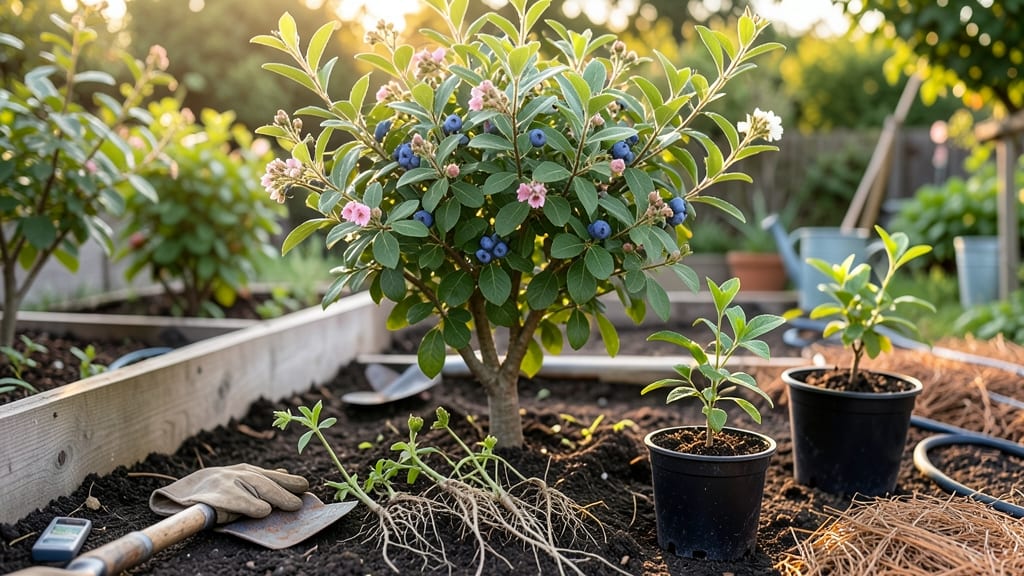
When to plant blueberry bushes in NC could mean the difference between a thriving 🌱 harvest and years of frustration. The Carolinas’ unique climate—where Zone 7A’s cooler winters meet Zone 8A’s milder stretches—demands precision, especially when matching varieties to their chill-hour needs.
Most gardeners assume spring is the only window, but in NC’s humid subtropical climate, fall planting often gives bushes a head start. I’ve seen firsthand how a 2-week shift in timing can transform a struggling patch into a fruit-bearing powerhouse.
The key? Understanding your microclimate’s frost dates and soil warming trends.
Whether you’re growing Southern Highbush or Rabbiteye varieties, this guide cuts through the guesswork. You’ll learn exactly when to plant for optimal root establishment, how to adjust for your specific zone, and why mulching matters more than you think in NC’s heat and humidity.
Let’s get your blueberries off to the right start—because getting it right the first time saves you hours of troubleshooting later. Ready to plant with confidence?
NC blueberry planting calendar: chill-hour requirements by variety
North Carolina’s Zone 7A/8A climate makes blueberry planting a chill-hour game—literally. Blueberries need cold winter dormancy (measured in chill hours) to flower and fruit. Southern Highbush varieties thrive with 400-600 chill hours, while Rabbiteye types need 200-400 chill hours.
Planting at the wrong time can leave you with no fruit or weak bushes.
For Zone 7A (e.g., Raleigh), aim for late fall to early winter (November-December) when soil temps drop below 50°F. In Zone 8A (e.g., Wilmington), extend your window to October-November to avoid early spring warmth.
Spring planting is riskier but works if you use bare-root plants and keep soil moist until roots establish.
Here’s your NC blueberry planting timeline by variety, tailored to chill-hour needs and frost-free periods:
| Variety | Chill Hours Needed | Best Planting Months (NC) | Soil Temp for Planting | Key Tip |
|---|---|---|---|---|
| Southern Highbush (e.g., 'Southern Blue', 'Premier') | 400-600 | November-December (Zone 7A) / October-November (Zone 8A) | Below 50°F | Mulch heavily to retain cold. |
| Rabbiteye (e.g., 'Climax', 'Powderblue') | 200-400 | October-November (both zones) | 45-55°F | Tolerates warmer soil—plant earlier. |
| Half-High (e.g., 'Tifblue', 'Chippewa') | 300-450 | November (Zone 7A) / October (Zone 8A) | Below 55°F | Ideal for containers—plant in pots. |
If you miss the fall window, spring planting is possible—but only with bare-root plants and constant moisture. Avoid planting in late winter (February-March) when soil is still cold, as roots won’t establish before summer heat hits.
Pro tip: Use a soil thermometer to confirm temps are below 60°F before planting.
For container-grown bushes, the rules shift slightly. You can plant year-round in NC, but late fall or early spring still gives the best results. Just ensure your pots have drainage holes and use acidic potting mix (pH 4.5-5.5).
Containers warm up faster, so monitor soil temps closely in Zone 8A.
One common mistake? Planting too early in fall when soil is still warm. This tricks bushes into early root growth, which gets damaged by winter freezes. Aim for 6-8 weeks before first frost—check your local NC State Extension frost date maps for precision.
For example, Raleigh’s average first frost is November 15, so plant by October 1.
After planting, mulch with pine needles or wood chips (2-3 inches deep) to mimic the acidic forest floor blueberries love. This also helps regulate soil temps and retain moisture.
In Zone 8A, where winters are milder, add a lightweight row cover in late winter to protect buds from unpredictable cold snaps.
Remember: Chill hours ≠ frost dates. A bush might get enough cold in Zone 7A even if frost never hits. Use a chill-hour calculator (like the one from University of Georgia) to match varieties to your microclimate.
For example, 'Duke' blueberries (500+ chill hours) thrive in Raleigh but may struggle in Zone 8A’s Wilmington.
Your first harvest will come 2-3 years after planting, but proper timing now ensures larger berries and bigger yields for decades. Start with 2-3 bushes of the same variety for cross-pollination, and choose a sunny, sheltered spot with well-draining soil.
With these tips, you’ll be picking juicy NC blueberries by summer!
How to adjust planting timing for NC’s microclimates (7A vs 8A)
North Carolina’s climate varies dramatically between its USDA Zone 7A and Zone 8A regions, creating unique challenges for blueberry growers. In Raleigh (7A), average last frost dates hover around March 15, while Wilmington (8A) often sees frost-free conditions by February 15.
These microclimate differences mean your planting window can shift by up to 6 weeks—so knowing your exact zone is critical for success.
Soil warming is another key factor. In Zone 7A, soils typically reach 50°F—the ideal temperature for planting—by mid-April, while Zone 8A soils may hit this mark as early as late March.
Planting too soon in cooler zones risks root shock from cold soil, while waiting too long in warmer zones can delay establishment before summer heat arrives.
| Factor | Zone 7A (Raleigh) | Zone 8A (Wilmington) |
|---|---|---|
| Average Last Frost | March 15 | February 15 |
| Soil Warming (50°F) | Mid-April | Late March |
| Optimal Planting Window | April 15-May 15 | March 20-April 30 |
| Key Risk Factor | Late frosts | Summer heat stress |
To fine-tune your schedule, use mulch (like pine straw) to protect roots from temperature swings. In Zone 7A, apply a 4-inch layer of mulch to insulate against late frosts, while Zone 8A growers should focus on shade cloth during peak summer to prevent heat stress.
A soil thermometer ($10 at garden centers) is your best tool—plant when soil temps consistently stay above 50°F for 5+ days.
For Rabbiteye varieties (200-400 chill hours), push planting to late March in Zone 8A to ensure they get enough winter chill before summer heat arrives. Southern Highbush (400-600 chill hours) thrives when planted by mid-April in Zone 7A, giving roots time to establish before winter dormancy.
Always check your local Cooperative Extension Service for hyper-local frost data—it’s the gold standard for NC-specific advice.
If you’re unsure about your microclimate, observe your neighbors’ gardens: azalea blooms (Zone 7A) or camellias (Zone 8A) indicate your chill hours. Match your blueberry variety to these native plants for foolproof timing.
Remember, fall planting (September-October) is also viable in NC—just ensure soil temps stay above 50°F for root growth before winter sets in.
Pro tip: Mark your planting date with a stake and flag so you can track growth progress. If your bushes show yellowing leaves by summer, it’s a sign they were planted too late—adjust next year’s schedule accordingly.
With these microclimate tweaks, you’ll maximize your blueberry bushes’ potential in any corner of North Carolina. 🌱