
Plants
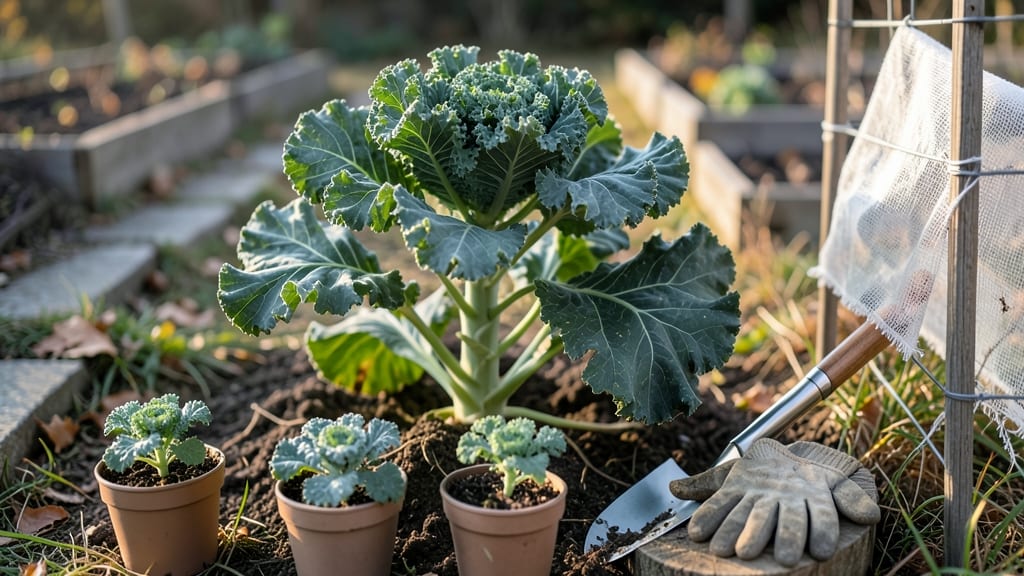
Knowing when to plant brassicas in Wisconsin isn’t just about the calendar—it’s about dodging frost, avoiding bolting, and locking in that perfect harvest window. One wrong move, and your broccoli could bolt before you even get to taste it, or worse, freeze under an unexpected late frost.
The key lies in understanding your local frost dates and planting strategically to stretch your growing season.
I’ve spent years watching Wisconsin gardens thrive (and sometimes struggle) with brassicas, and the difference always comes down to precision timing.
Whether you’re in the warmer southern regions or the cooler north, knowing when to pop those seeds in the ground—or when to start seedlings indoors—can mean the difference between a bountiful fall harvest and a sad, wilted disappointment. Let’s break down the exact windows you need to target for success.
You’ll discover how to time your plantings for both early spring and late summer starts, plus pro tips for extending your harvest into October. No more guessing games—just science-backed strategies tailored to Wisconsin’s unique climate. Ready to grow brassicas that actually make it to your dinner table? Let’s get started.
From cabbage to kale, we’ll cover everything you need to know to avoid common pitfalls and maximize your garden’s potential. Whether you’re a seasoned gardener or just starting out, these insights will help you grow brassicas that are healthier, heartier, and ready to harvest when you need them most.
Wisconsin’s brassica planting timeline by last frost dates
Wisconsin’s frost dates are the ultimate deciding factor for planting brassicas like broccoli, cabbage, and kale. The state’s climate varies dramatically—southern WI (Zones 4b-5a) enjoys earlier last frosts (around May 1-15), while northern WI (Zones 3b-4a) typically waits until May 15-30.
Getting this wrong means either frost damage or premature bolting before harvest.
For spring brassicas, aim to plant 4-6 weeks before your last frost date. This gives seedlings time to establish roots before soil temperatures hit 40°F+. In southern WI, that’s often mid-April under row covers or early May directly in the ground.
Northern gardeners should wait until late April for transplants or early May for direct sowing.
Here’s the critical rule: Brassicas bolt when days get too long or soil temps exceed 80°F. In Wisconsin’s hot summers, this means late June plantings are risky unless you choose heat-tolerant varieties like 'De Cicco' broccoli or 'Red Russian' kale.
For fall harvests, start seeds 8-10 weeks before your first frost (typically late July in southern WI, early August in the north).
🌱 Pro Tip: Use frost-free date calculators from the UW Extension to pinpoint your exact window. For example, Madison’s last frost averages May 10, while Green Bay’s is May 25—a 2-week difference that matters for cabbage maturity.
| Wisconsin Brassica Planting Windows by Region | ||
|---|---|---|
| Planting Window | Southern WI (Zones 4b-5a) | Northern WI (Zones 3b-4a) |
| Spring Planting | April 15-May 15 | May 1-30 |
| Last Frost Date | May 1-15 | May 15-30 |
| Summer Planting (Heat-Tolerant) | June 15-July 15 | July 1-15 |
| Fall Planting | July 15-August 15 | August 1-15 |
| First Frost Date | October 1-15 | September 15-October 1 |
| Key Variety Tip | 'Winterbor' kale (70 days) | 'Presto Purple' broccoli (55 days) |
For direct sowing, brassicas like turnips and radishes can handle cooler soils (as low as 40°F), but broccoli and cauliflower need 50°F+ soil. Use a soil thermometer to confirm—cold soil stunts root growth, leading to weak plants that bolt faster.
In northern WI, I’ve had success with biodomes or black plastic mulch to warm soil 2-3 weeks earlier.
Another Wisconsin-specific hack: Plant cabbage in late July for a fall harvest before hard frosts. The key is shorter day lengths in September—brassicas actually tolerate cooler temps better then. Just cover seedlings with frost cloth if temperatures dip below 28°F.
If you’re new to brassicas, start with fast-maturing varieties like 'Early Jersey Wakefield' cabbage (50 days) or 'Mibuna' greens (30 days). These give you flexibility if your frost date shifts unexpectedly. I’ve learned the hard way that overestimating your region’s warmth leads to bitter, bolted greens by August!
🌿 Remember: Southern WI gardeners can squeeze in two harvests (spring + fall), while northern WI
How to extend brassica seasons in Wisconsin without risking bolting
Wisconsin’s cool summers and early frosts can sabotage brassica harvests if you don’t plan ahead. The key to success? Extending your growing season without triggering bolting—when plants flower prematurely and become bitter.
With the right strategies, you can push your kale, broccoli, and cabbage harvests into October or even November, giving you fresh greens when stores are stocked with imported produce.
Start by understanding your microclimate. Southern Wisconsin (like Madison) has a longer frost-free season than northern areas (like Superior), so your timing will vary. But no matter where you garden, succession planting and season-extending tools are your best allies.
Let’s break down the proven methods to keep your brassicas thriving until the first hard frost.
- 📅 Succession Plant: Sow every 2-3 weeks from mid-May to early July for continuous harvests.
- 🛡️ Use Row Covers: Lightweight fabric adds 4-8°F protection and extends harvests by 3-4 weeks.
- ☀️ Shade Cloth: In hot July-August, use 30% shade cloth to prevent bolting from heat stress.
- 🌡️ Warm Soil Trick: Plant in black plastic mulch to raise soil temps by 5-10°F for faster growth.
- 📋 Choose Late Varieties: Opt for heat-tolerant types like 'De Cicco' broccoli or 'Red Russian' kale.
For late-summer planting, focus on bolt-resistant varieties and soil warmth. Brassicas need soil temps above 45°F to germinate, but 60°F+ speeds up growth. If your soil is still chilly in June, consider starter pots or a cold frame to jumpstart seedlings.
This is especially critical for head-forming brassicas like cabbage and broccoli, which bolt faster in warm soil.
Don’t underestimate the power of mulching. A thick layer of straw or grass clippings keeps soil moist and 5-10°F cooler during heatwaves—critical for preventing bolting. Pair this with drip irrigation to maintain consistent moisture, as uneven watering stresses plants and triggers flowering.
Pro tip: Water in the early morning to reduce fungal risks from evening dampness.
If you’re aiming for a fall harvest, time your last planting so crops mature 60-75 days before your first frost. In southern Wisconsin, this means late July to early August plantings, while northern gardeners should start by mid-July.
Use a planting calendar or local frost date tool (like the Old Farmer’s Almanac) to pinpoint your exact window.
Finally, harvest strategically. For cut-and-come-again greens like kale and collards, pick outer leaves to encourage regrowth. For head brassicas, harvest when heads are firm but before they tighten completely. Leaving plants too long on the vine—even in cool weather—can lead to bitterness or bolting.
With these tactics, you’ll enjoy homegrown brassicas well into fall, beating the grocery store prices and supporting your local ecosystem.