
Plants
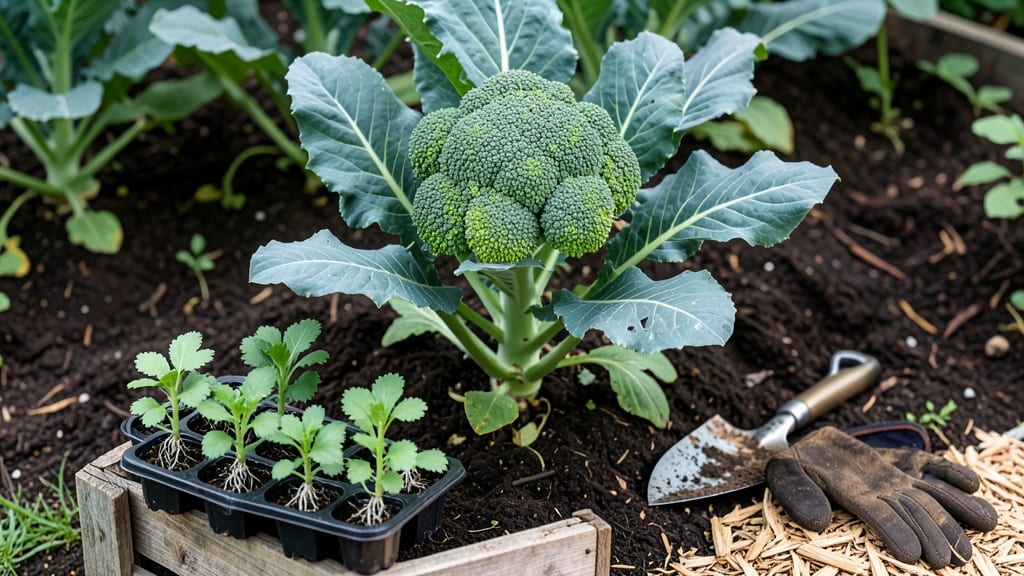
Planting broccoli in North Texas might seem tricky with our scorching summers and unpredictable winters, but timing is the secret to a bountiful harvest.
The key lies in understanding when to sow those seeds—whether you're aiming for a fall crop or a spring one—so you avoid both early freezes and sweltering heat that can turn your 🥦 into bitter disappointment.
For North Texas gardeners in zones 7b-8a, the ideal windows are late August to early September for fall planting and February to early March for spring.
These periods give your broccoli enough time to mature before the first frost in mid-December or the last frost in mid-February, ensuring you get those crisp, flavorful heads you crave.
But here's the game-changer: choosing heat-tolerant varieties and preparing your soil properly can extend your growing season. I'll show you exactly how to time your plantings, select the best varieties for our climate, and keep your broccoli thriving—even when Texas heat tries to sabotage your garden.
Let's dive into the details so you can enjoy homegrown broccoli from November through June, no matter where you are in North Texas.
Best planting windows for broccoli in North Texas: exact weeks before last frost
North Texas gardeners face a unique challenge with broccoli—scorching summer heat and unpredictable frost dates. The key to success lies in planting during two precise windows: late summer for fall harvests and early spring for spring crops.
These timings align with soil temperatures below 80°F and avoid Texas heat stress that causes bolting.
For fall broccoli, aim to plant 4-6 weeks before your average first frost (typically mid-December in North Texas). This means late August to early September for most regions.
Spring planting should occur 4-6 weeks before your last frost date (around mid-February), giving you a February to early March window for best results.
Here’s how to calculate your exact planting dates using North Texas’s USDA Zones 7b-8a:
| Planting Window | Region-Specific Dates | Key Conditions |
|---|---|---|
| Fall Planting | Late August - Early September | Soil temp < 80°F, avoid summer heat |
| Spring Planting | February - Early March | 4-6 weeks before last frost, warm soil |
| Harvest Window | November-December (fall) / May-June (spring) | 60-80 days after planting |
Regional variations matter in North Texas. Dallas-Fort Worth (Zone 8a) has slightly later frost dates than Lubbock (Zone 7b), so adjust your planting by 1-2 weeks. For example, Lubbock gardeners should plant fall broccoli by mid-August to avoid early heat stress, while DFW gardeners have until early September.
Soil temperature is critical—broccoli seeds won’t germinate well in soil above 85°F. Use a soil thermometer to confirm temperatures are 50-75°F before planting. If your soil is too warm, wait until evening or use shade cloth to cool the planting area temporarily.
For extended harvests, consider succession planting every 2-3 weeks during your chosen window. This ensures a steady supply of fresh broccoli heads throughout the growing season. For example, plant a batch in late August, another in early September, and a final batch in mid-September for continuous harvests.
Texas A&M AgriLife Extension recommends cool-season varieties for North Texas, as they handle the region’s unpredictable weather patterns better than traditional broccoli. Look for varieties labeled "heat-tolerant" or "slow-bolting", such as 'Waltham 29' or 'De Cicco', which perform well in 90°F+ temperatures for short periods.
Pro tip: Direct sow seeds rather than transplanting seedlings. Transplants struggle with Texas heat stress after being moved, while direct-sown seeds establish deeper roots faster. Space seeds 18-24 inches apart in rows 2-3 feet apart to allow for airflow and reduce disease risk.
Monitor your garden closely for early signs of bolting (premature flowering) caused by heat. If your plants start sending up flower stalks, harvest immediately or remove the plant to prevent seed production, which diverts energy from head formation.
Best planting windows for broccoli in North Texas: exact weeks before last frost
North Texas gardeners face a unique challenge with broccoli—our hot summers and unpredictable winters demand precise timing. The key is planting when soil temperatures stay below 85°F but above 40°F, giving your broccoli the cool conditions it craves.
For most of North Texas (zones 7b-8a), this means two main planting windows: late summer for fall harvests and early spring for summer harvests.
Your first window opens in late August to early September for a fall crop. This timing ensures your broccoli matures before the first frost (typically mid-December in Dallas-Fort Worth).
For spring plantings, aim for February to early March, giving your plants enough time to reach harvest before summer heat sets in. These windows align with Texas A&M Extension recommendations for cool-season crops in our region.
| Planting Window | Weeks Before Last Frost | Soil Temp Range | Harvest Months |
|---|---|---|---|
| Late August - Early September | 4-6 weeks | 60-75°F | November - December |
| February - Early March | 4-6 weeks | 50-65°F | May - June |
| October (extension) | 8-10 weeks | 55-70°F | January (mild winters) |
*Adjust timing 1-2 weeks earlier for Lubbock (hotter) or later for East Texas (cooler).
Regional differences matter in North Texas. In Dallas-Fort Worth, the last frost typically arrives around March 15, while Lubbock's last frost is slightly earlier (March 1). For Lubbock gardeners, start spring plantings by February 15 to avoid summer heat stress.
Conversely, East Texas gardeners (like those in Tyler) can plant slightly later due to their milder winters.
Don't overlook soil preparation—broccoli thrives in well-draining soil with a pH of 6.0-7.0. Before planting, amend your soil with compost or aged manure to improve fertility. I recommend testing your soil in late summer (for fall plantings) or early winter (for spring) to ensure optimal conditions.
This step is crucial for preventing nutrient deficiencies that can stunt growth.
For container gardeners, use 5-gallon pots with quality potting mix and plant your broccoli seeds 4-6 weeks before your target frost date, just like in-ground plantings. Containers warm up faster, so monitor soil temperatures closely—keep them below 80°F at all times to prevent bolting.
A simple soil thermometer (available at garden centers) makes this easy to track.
Remember, broccoli is a cool-season crop, so avoid planting during Texas' 100°F+ summers. If you miss the ideal windows, consider shade cloth or row covers to protect young plants from unexpected heat spikes.
With these precise timing tips, you'll enjoy fresh, homegrown broccoli from your North Texas garden—no matter where you are in the region.