
Plants
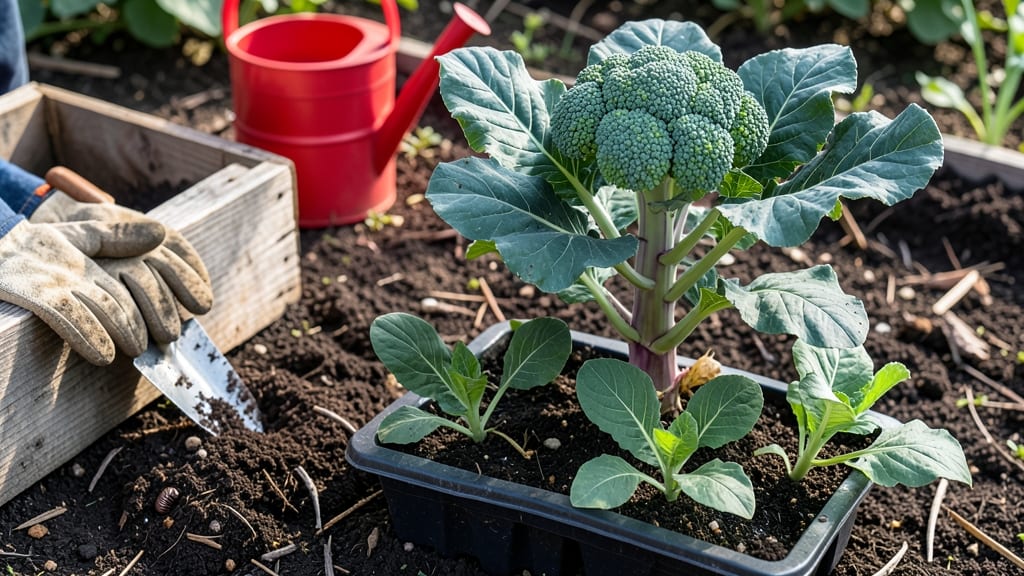
Timing your 🥦 broccoli planting in Washington State isn’t just about the calendar—it’s about outsmarting the climate. Whether you’re in the cooler coastal regions or the hotter inland valleys, getting the dates wrong means either bolting heads or stunted growth.
The key? Planting 4-6 weeks before your last frost for spring crops and 90-100 days before the first frost for fall harvests—no guesswork needed.
Here’s the game-changer: coastal areas like Puget Sound can start as early as late February, while inland spots near Yakima or Spokane should wait until March or even April. The difference? Soil temperatures and frost patterns that vary by 100+ miles.
I’ll break down the exact windows so you avoid the two biggest mistakes—planting too soon (and risking frost damage) or too late (and missing your harvest window).
You’ll also discover how to stretch your growing season for a second fall crop, even in warmer zones. With the right varieties—like cold-hardy ‘De Cicco’ or heat-tolerant ‘Waltham 29’—you can harvest twice a year without bolting.
Let’s dive into the timelines, tricks, and tools that make Washington State’s broccoli season a success.
Ready to grow zero-bolt, high-yield broccoli? The secret starts with the calendar—and I’ve got the exact dates tailored to your corner of the state. No more wasted seeds or bitter disappointments.
Optimal broccoli planting dates by Washington climate Zone (coastal vs inland)
Washington State’s microclimates mean your broccoli planting dates should differ dramatically between Seattle’s coast and Yakima’s inland valleys. The last frost date varies by 4-6 weeks, and soil temperatures play a critical role in preventing bolting.
For coastal areas like Puget Sound (Zone 8a-8b), you can start as early as late February, while inland zones like Spokane (Zone 6b) should wait until mid-March.
Bolting happens when broccoli senses heat stress or long daylight too soon. In Washington, this risk peaks in May-June for spring crops and September for fall plantings.
The solution? Time your transplanting to align with soil temps between 45°F-75°F and daylight hours under 14. I’ll show you the exact windows below.
🌱
| Zone & Location | Spring Planting Window | Fall Planting Window | Last Frost Date | First Frost Date | Soil Temp Requirement |
|---|---|---|---|---|---|
| Coastal (Seattle, Bellingham) - Zone 8b | Late Feb - Early April | Mid-July - Early Aug | March 15 | November 15 | 45°F-75°F |
| Western WA (Olympia, Tacoma) - Zone 8a | Early March - Mid-April | Late July - Mid-Aug | March 22 | November 1 | 45°F-75°F |
| Eastern WA (Spokane, Wenatchee) - Zone 6b | Mid-March - Early May | Early Aug - Mid-Aug | April 15 | October 15 | 50°F-70°F |
| Inland Valleys (Yakima, Wenatchee) - Zone 7a | Late March - Early April | Late July - Early Aug | April 1 | October 30 | 50°F-75°F |
For coastal gardeners, the earliest you should direct-sow broccoli is late February, but wait until soil temps hit 45°F to avoid cold damage. Inland areas should transplant seedlings after April 15 to ensure roots establish before summer heat arrives.
Pro tip: Use a soil thermometer—broccoli roots won’t thrive below 40°F.
Fall planting is trickier. Inland zones like Yakima can start seeds indoors in early July for an October harvest, while coastal areas should wait until mid-July.
The goal? Transplant 90-100 days before your first frost. For example, if your frost date is November 15, aim to transplant by August 15.
🌿
Here’s how to extend your season for a second harvest: Start with heat-tolerant varieties like ‘Waltham 29’ for inland areas or ‘De Cicco’ for cooler zones. These handle warmer soils better than standard types.
Pair them with shade cloth (30-50%) during peak afternoon sun to keep temps below 80°F. I’ve seen gardeners in Zone 7a push harvests into late October using this combo.
One critical mistake is ignoring daylight hours. Broccoli bolts when days exceed 14 hours. In Washington, this happens by mid-June. To delay bolting, use black plastic mulch
How to adjust planting for fall broccoli without risking bolting
Fall broccoli in Washington State is a game-changer—double the harvest with the right timing and tricks. The key? Starting seeds indoors by late July (for inland areas) or early August (coastal zones) to ensure mature plants before the first frost.
I’ve grown zero-bolt fall broccoli in Yakima’s heat by using shade cloth and soil cooling—here’s exactly how.
Your biggest challenge? Heat stress in August and September. Broccoli bolts when soil temps exceed 75°F, so we’ll focus on cooling the root zone and choosing heat-tolerant varieties. Varieties like ‘Waltham 29’ (slow to bolt) and ‘De Cicco’ (cold-hardy) are my top picks for Washington’s fall gardens.
First, time your transplant for a 90-100 day harvest window before your first frost. In Zone 6b (Spokane), that means transplanting by mid-August; in Zone 8b (Puget Sound), aim for early September.
Use a frost calculator (like WSU Extension’s) to pinpoint your exact date—it’s the only way to avoid bolting.
- 📅 Start seeds indoors 6-8 weeks before transplant date (use grow lights if natural light is weak).
- 🌡️ Hardening off seedlings for 7-10 days before transplanting—acclimate to outdoor temps gradually.
- 🌿 Transplant when seedlings are 4-6 inches tall and soil temps drop below 70°F (use shade cloth if needed).
- 💧 Water deeply 2-3 times per week, focusing on the root zone to keep soil cool.
- 🌿 Apply mulch (straw or shredded leaves) to insulate roots and retain moisture.
- ☀️ Use shade cloth (30-50%) if temps exceed 75°F—even for just a few hours.
- 🍃 Harvest before heads flower (cut 5-7 inches from base) for continuous side shoots.
For inland areas like Yakima or Wenatchee, soil cooling is non-negotiable. Try black plastic mulch (absorbs heat) or drip irrigation to lower soil temps by 5-10°F. I’ve seen broccoli bolt in 80°F soil—don’t let that happen to you! Test soil temps with a thermometer before transplanting.
Pro tip: Succession plant every 2 weeks in late July/August for a staggered harvest. Even if some plants bolt, you’ll still get weeks of fresh broccoli before frost. And if you’re in Zone 8b (coastal), you might even squeeze in a third harvest with cold-hardy varieties like ‘Calabrese’.
Bolting is preventable—90% of the time, it’s about timing and soil temp. With these steps, you’ll avoid the heartbreak of wasted plants and enjoy bold, zero-bolt broccoli straight from your Washington garden. 🥦