
Plants
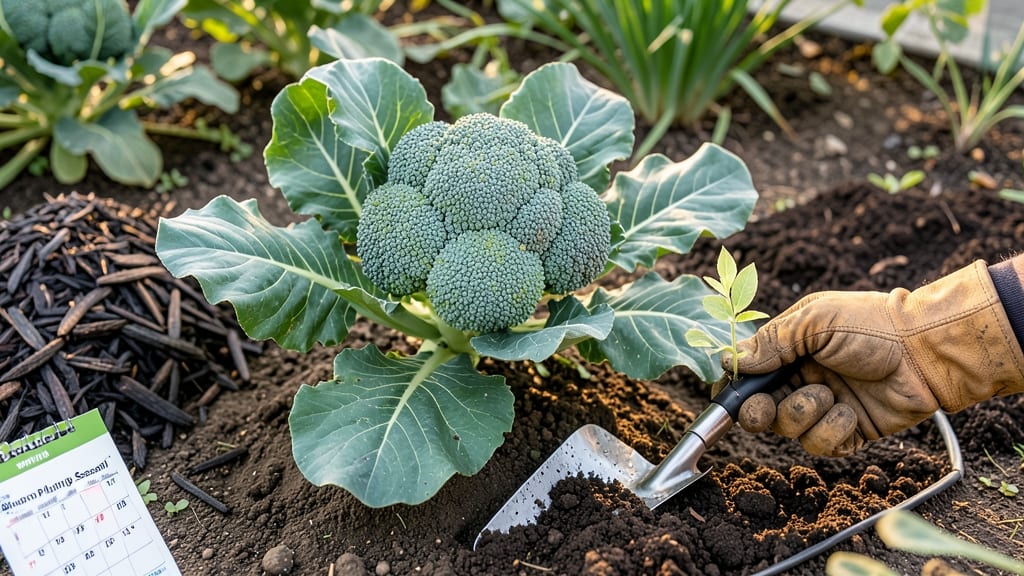
Knowing when to plant broccoli in Zone 5 can mean the difference between a thriving garden and a sad, wilted disappointment—especially when unpredictable frosts lurk around every corner.
The key isn’t just memorizing calendar dates but understanding how soil temperature, frost risks, and even your backyard’s microclimate play together to create the perfect growing conditions for your 🥦.
If you’ve ever rushed to plant broccoli only to watch it bolt or freeze before reaching maturity, you’re not alone. Zone 5’s short growing season demands precision, and the fastest way to success is learning the science behind soil warmth and frost timing.
I’ll break down exactly when to start seeds indoors, when to transplant outdoors, and how to stretch your harvest with smart succession planting—so you can enjoy fresh broccoli from spring through fall.
What most gardeners miss is that broccoli isn’t just a cool-weather crop—it’s a temperature-sensitive one. Plant too early, and you’ll get leggy, weak seedlings; too late, and you’ll miss the window entirely. The solution?
A strategic approach that accounts for your last frost date, soil thermometer readings, and even the type of broccoli you’re growing. Let’s dive into the exact steps to get your plants off to a flying start.
By the end of this guide, you’ll have a clear planting timeline tailored to Zone 5’s quirks, plus pro tips to troubleshoot common pitfalls like slow germination or frost damage.
Whether you’re a first-time gardener or a seasoned green thumb, these tricks will help you grow broccoli that’s healthier, faster, and more abundant than ever before.

Zone 5 broccoli planting calendar: exact dates by variety type
Getting your broccoli planting timing right in Zone 5 means avoiding late spring frosts and early fall chills. The key is planting 4-6 weeks before your last frost date (typically mid-May in Zone 5) or 90-120 days before your first frost (usually mid-October).
This ensures your plants mature before cold snaps strike.
Zone 5 gardeners have two main planting windows: early spring (March-April) and late summer (August-September). Each requires different preparation. For spring, focus on cold-hardy varieties and soil warming. For fall, prioritize fast-maturing types to beat frost.
Here’s the breakdown for three broccoli types—head, sprouting, and hybrid—with exact planting dates and frost risk considerations tailored to Zone 5:
For direct sowing, aim for soil temps of 40-85°F. Use a soil thermometer to check—broccoli seeds need warmth to germinate quickly. If your soil is still cold in early spring, opt for transplants instead. They’ll give you a head start and reduce frost risk.
In Zone 5’s unpredictable climate, I recommend succession planting every 2-3 weeks in spring and fall. This ensures a continuous harvest and minimizes gaps in your garden.
For example, plant a batch on March 15, another on April 1, and a final one on April 15 for staggered maturity.
If you’re starting seeds indoors, begin 6-8 weeks before your last frost date. Use grow lights or a sunny windowsill to prevent leggy seedlings. Harden them off for 1 week before transplanting outdoors after the soil warms to at least 45°F.
Pro tip: Use black plastic mulch in early spring to warm the soil faster. This can shave 1-2 weeks off your planting timeline, giving your broccoli a jumpstart in Zone 5’s cool climate. Just remove it once the soil reaches 60°F to avoid overheating.
Remember, fall planting is all about timing. For a harvest before frost, count backward from October 15 (average first frost date). If your broccoli needs 60 days to mature, plant by August 15.
For faster varieties (like 'Belstar' at 50 days), you can push it to September 1.
Zone 5 gardeners often overlook summer planting, but it’s possible with shade cloth and extra water. Try planting heat-tolerant hybrids like 'Packman' in late July for a late fall harvest. Just monitor for bolting (premature flowering) in hot weather.
Soil temperature secrets: how to test and adjust for fast broccoli germination
Zone 5 gardeners know that broccoli seeds need warmth to sprout quickly, but cold soil delays germination—sometimes by weeks. The ideal soil temperature range for broccoli is 40-85°F, with 50-70°F being perfect for fast sprouting.
In my experience, planting too early in chilly Zone 5 springs often leads to slow starts or even rot.
To avoid these pitfalls, I always check soil temperature before planting. A simple soil thermometer (just $10 at garden centers) gives me the data I need. Stick it 2 inches deep—that’s where broccoli seeds will be—and wait 10 minutes for an accurate reading.
If it’s below 40°F, your seeds may never sprout, even with the best variety.
If your soil is too cold, don’t rush—wait for warmth or use row covers to create a microclimate. I’ve had great success with floating row covers (like Agribon) in early spring.
They trap heat during the day and protect seedlings at night. For extra warmth, try black plastic mulch under your seeds—it absorbs sunlight and raises soil temperature by 5-10°F.
Another trick I swear by is seedling heat mats for transplants. These electric mats (placed under seed trays) keep roots warm until soil conditions improve. I use them for 4-6 weeks before transplanting, and it cuts my growing season by 2-3 weeks.
Just be sure to harden off seedlings gradually to avoid shock when moving them outdoors.
For direct-sown broccoli, timing is everything. In Zone 5, aim for late March to early April when soil hits 50°F+ consistently. If you’re planting in fall for a winter harvest, wait until late August—this gives seeds time to germinate before cooler temps arrive.
Always monitor your local frost dates and adjust accordingly.
Remember, patience pays off with broccoli. Rushing leads to disappointment, but with the right soil temperature tricks, you’ll enjoy fast germination and healthy plants all season long. 🥦🌱