
Plants
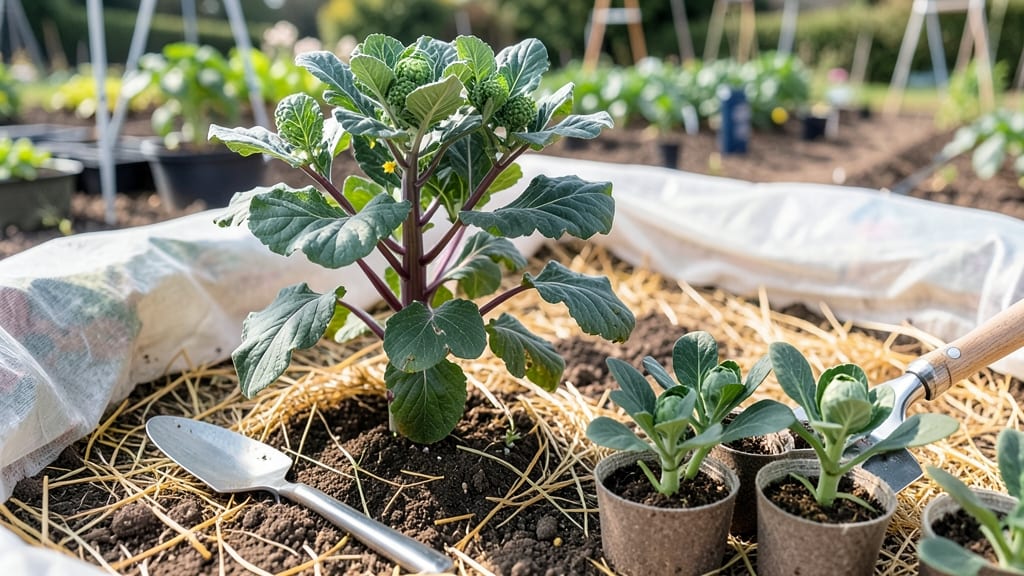
Timing your Brussel sprouts planting in Arkansas isn't just about the calendar—it's about beating the first frost while avoiding summer's scorching heat. These 🥦 cold-hardy gems need precise windows to thrive in zones 7a-8b, and getting it wrong means bitter disappointment instead of a harvest.
Most gardeners in Arkansas swear by two planting seasons: spring and fall. But here's the catch—planting too early in spring risks bolting, while summer heat stresses young seedlings. I'll break down the exact weeks that work for your microclimate, whether you're in the Delta or the Ozarks.
You'll discover why late March to early April is your spring sweet spot—and how to adjust if you're aiming for a fall harvest between October and December. Spoiler: It's all about soil temps and frost dates, not just the calendar.
Ready to grow flavorful, frost-resistant sprouts? Let's dive into Arkansas-specific strategies that actually work, so you can skip the guesswork and enjoy homegrown 🥦 all season long.
Optimal planting weeks for Arkansas microclimates: from Delta to Ozarks
Arkansas’s diverse climate means your Brussel sprouts planting window depends heavily on where you live. The Delta region (Zone 7b-8a) enjoys longer growing seasons, while the Ozarks (Zone 6b-7a) face earlier frosts.
I’ll break down the exact weeks to plant for each zone, so you can avoid bolting in spring or heat stress in summer.
For most of Arkansas, late March to early April is your spring planting sweet spot. But if you’re in the northern Ozarks, aim for mid-April to give seedlings time to establish before summer heat arrives.
Fall planting? Late July to early August works statewide, but adjust for your last frost date.
Here’s the key: Soil temperature matters more than air temperature. Brussel sprouts need soil at 45°F or warmer to germinate. In Arkansas, this typically aligns with late March for southern zones and mid-April for northern zones. Use a soil thermometer to confirm—don’t guess!
Pro tip: If you’re in Zone 7a or cooler, consider starting seeds indoors 6-8 weeks before transplanting. This gives you a head start on the growing season and helps you beat the first frost. For direct sowing, wait until soil temps hit 50°F—usually mid-April in most regions.
Now, let’s compare the best planting strategies for Arkansas’s four key regions. The table below shows the ideal transplanting vs. direct seeding windows, so you can pick what works best for your garden.
Notice how the transplant window shifts 2-4 weeks later as you move north? That’s because cooler zones need extra time for seedlings to mature before frost hits.
If you’re in the Delta or Central Arkansas, you can even squeeze in a second fall crop by planting in late July.
For fall harvests, aim to plant 4-6 weeks before your average first frost date. In most of Arkansas, that’s late July to early August. The goal is to have mature plants ready to harvest by October or November, when temps drop but frosts are still light.
Use this rule of thumb: 90 days to maturity from transplanting.
One more tip: If you’re in a warmer microclimate (like near a river or in urban heat islands), watch for bolting—when plants produce flowers and sprouts turn bitter. Start seeds indoors or use shade cloth in late spring to keep temps down.
Now that you’ve got your planting windows locked in, let’s tackle Arkansas’s unpredictable frost patterns in the next section—because even the best-laid plans can go sideways with a surprise freeze! 🌱
Optimal planting weeks for Arkansas microclimates: from Delta to Ozarks
Arkansas’s diverse microclimates mean your Brussel sprouts planting window varies wildly—from the humid Delta to the cooler Ozarks. The key is aligning with your USDA Zone 7a-8b frost dates while avoiding summer’s 90°F+ heat, which stresses seedlings.
Let’s break it down by region so you plant at the perfect time.
For Northern Arkansas (Zones 7a-7b), aim for late March to early April for spring planting. This gives your sprouts 90-100 days to mature before the average first frost (Nov 15).
In the Central region (Zone 7b), shift your window 1-2 weeks later—think early April—to avoid early spring’s unpredictable cold snaps.
Southern Arkansas (Zone 8a) gardeners have a longer window: plant mid-April to early May for spring. But here’s the catch—if you’re in the Delta, summer heat arrives fast.
For a fall harvest, Southern gardeners should direct-seed late July to early August to beat the first frost by October.
| Region | Spring Planting Window | Fall Planting Window | Key Consideration |
|---|---|---|---|
| Northern Arkansas (Zones 7a-7b) | Late March–Early April | Late July–Early August | Early frost risk; use row covers |
| Central Arkansas (Zone 7b) | Early April | Mid-July–Early August | Moderate humidity; watch for fungal diseases |
| Southern Arkansas (Zone 8a) | Mid-April–Early May | Late July–Early August | Longer growing season; avoid summer heat |
| Ozark Mountains (Zone 7a) | Late March–Early April | Early August | Cooler temps; extend season with cold frames |
If you’re direct-seeding (planting seeds outdoors), aim for soil temps above 45°F—use a soil thermometer to check. For transplants, wait until after the last frost (typically April 15 in most zones) and harden off seedlings for 7-10 days first.
Pro tip: Succession plant every 2 weeks in spring for a staggered harvest.
For fall planting, Arkansas gardeners often get it wrong by seeding too late. Late July to early August is your sweet spot—this gives sprouts 90 days to mature before frost.
If you’re in the Delta, push it to early August to avoid summer’s brutal heat. Always mulch heavily to protect roots from temperature swings.
Remember: Brussel sprouts are cold-hardy but hate extreme heat. Planting in June or July? You’re asking for bolting (premature flowering). Stick to the spring/fall windows, and you’ll enjoy sweet, flavorful sprouts all season long. 🥦