
Plants
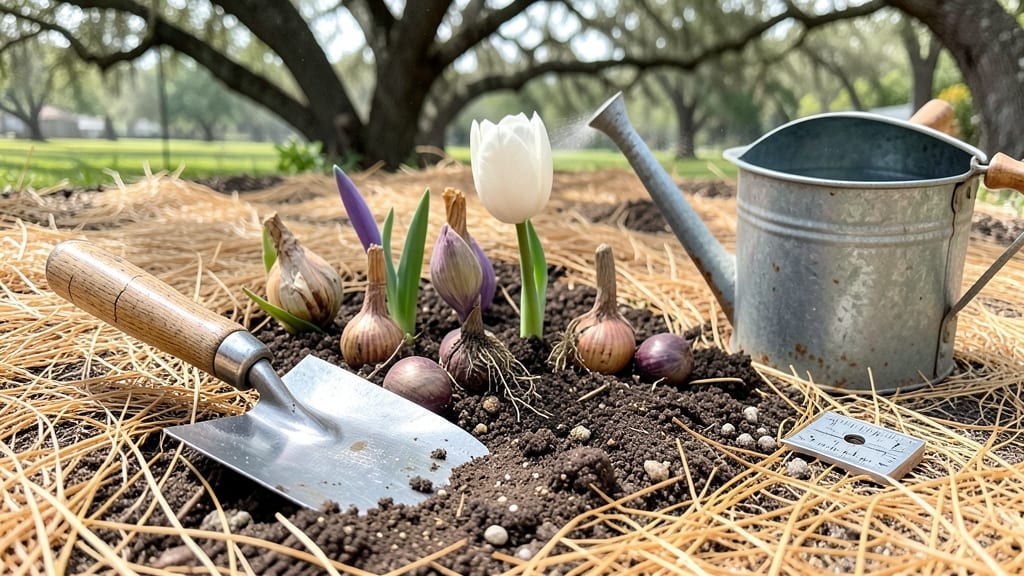
When to plant bulbs in Florida isn’t just about months—it's about avoiding the heat's deadly game of bolting or rotting. One wrong move, and your $20 investment turns into a sad, wilted mess. The key? Planting in Florida's 8a-11 zones during September-November or January-February—but with regional tweaks that make all the difference. Here's the truth: North Florida's cooler pockets (like Zone 8a) play by different rules than South Florida's frost-free paradise. Miss the window, and your tulips might sprout too early, only to fry in the summer sun. Get it right, though, and you'll have blooms from February through May that make your neighbors jealous. I've spent years perfecting this in my own Florida garden, and what I'm about to share will help you avoid the most common mistakes—like planting heat-sensitive bulbs too early or skipping the soil prep that makes all the difference in sandy Florida dirt. Ready to transform your yard into a springtime explosion of color? Let's dive into the exact months, bulb types, and tricks that work in Florida—so you can stop guessing and start blooming.
Florida’s exact bulb planting months by zone (avoid bolting in heat)
Florida’s USDA Zones 8a–11 create a tricky puzzle for bulb lovers. Unlike cooler climates, spring-blooming bulbs like tulips and daffodils need precise timing to avoid bolting in summer heat.
Meanwhile, tropical bulbs (like cannas) thrive year-round with the right care. Let’s break down the exact months to plant by zone and bulb type.
North Florida (Zones 8a–9a) has cooler winters with occasional frost, while South Florida (Zones 10a–11) stays frost-free. This means fall planting is critical for frost-sensitive bulbs in the north, but year-round planting works in the south—with exceptions. Summer planting? Never—it’s a one-way ticket to bulb rot.
Here’s the zone-by-zone breakdown for spring-flowering bulbs (tulips, daffodils, hyacinths) and summer/fall varieties (cannas, dahlias, rain lilies). Use this as your planting calendar to avoid bolting and ensure vibrant blooms.
| Bulb Type | North Florida (Zones 8a–9a) | Central Florida (Zones 9b–10a) | South Florida (Zones 10b–11) |
|---|---|---|---|
| Spring-Blooming Bulbs (Tulips, Daffodils, Hyacinths) | Planting Window: September–November Why: 6–8 weeks before first frost (Dec 1) |
Planting Window: August–October Why: Cooler temps prevent bolting |
Planting Window: Year-round (except summer) Why: No frost risk; plant in fall or winter |
| Summer/Fall Bulbs (Cannas, Dahlias, Rain Lilies) | Planting Window: March–April Why: After last frost; avoid summer heat |
Planting Window: February–May Why: Plant before peak summer (June–July) |
Planting Window: Year-round Why: Thrives in heat; mulch heavily in summer |
| Tropical Bulbs (Elephant Ears, Spider Lilies) | Planting Window: March–April Why: After frost; dig up before cold snaps |
Planting Window: Year-round Why: Frost-free; mulch in winter |
Planting Window: Year-round Why: Native-like; minimal care needed |
| Heat-Tolerant Perennials (Daylilies, Society Garlic) | Planting Window: Fall or Spring Why: Established roots handle summer heat |
Planting Window: Fall or Spring Why: Drought-resistant once established |
Planting Window: Fall or Spring Why: Thrives in humidity |
🌱 Pro Tip: In South Florida, plant spring bulbs in winter (Dec–Feb) to avoid summer heat stress.
For North Florida gardeners, focus on fall planting (September–November) for traditional bulbs. The goal is to give roots time to establish before winter chills. In Central Florida, you’ve got a slightly longer window—plant in August–October to avoid summer’s oppressive heat.
South Florida’s frost-free climate is a game-changer. You can plant spring bulbs anytime except summer (May–September). But here’s the catch: mulch heavily (3–4 inches) to protect bulbs from summer heat stress. Think of mulch as a thermal blanket for your bulbs.
One common mistake is planting spring bulbs in summer. The heat tricks bulbs into sprouting too early, leading to weak stems and fewer blooms. If you’re itching to plant in summer, opt for tropical bulbs like cannas or spider lilies—they’re built for Florida’s heat.
Another critical factor is soil temperature. Bulbs need cooler soil (60–70°F) to sprout. In Florida’s summer, soil can hit 90°F+, which is a no-go for most bulbs. Use shade cloth or plant in partial shade during peak summer to keep soil temps safe.
Let’s talk micro-climates. Even within Florida, your yard’s conditions matter. A shady spot under oak trees? You can plant bulbs earlier in spring (February–March) because the ground stays cooler. A sun-drenched patio? Stick to fall planting and mulch like crazy.
Finally, don’t overlook bulb-specific quirks. Daffodils are the most heat-tolerant spring bulbs—plant them anytime except summer. Tulips, however, need cooler temps and bolt easily in Florida’s heat. If you love tulips, pre-cool them (more on this in the next section!) or plant late fall varieties.
🌿 Remember: Florida’s bulb planting isn’t one-size-fits-all. Adjust for your zone, micro-climate, and bulb type to get the most vibrant blooms. Next, we’ll dive into pre-cooling tricks to outsmart Florida’s heat and keep your bulbs thriving.
How to outsmart Florida’s heat: pre-cooling and soil tricks for bulbs
Florida’s summer heat can turn bulb planting into a nightmare—especially for temperate-zone bulbs like tulips and daffodils. The secret? Pre-cooling bulbs and amending sandy Florida soil to mimic cooler climates.
I’ve used these tricks in my Zone 9a garden to extend blooming seasons by 4-6 weeks, even in South Florida’s brutal summers.
Start by chilling bulbs for 8-12 weeks before planting. Pop them in a refrigerator’s crisper drawer (not the freezer!) at 35-45°F. This mimics winter dormancy and prevents premature sprouting in Florida’s warm soil. For heat-sensitive varieties like tulips, this step is non-negotiable.
- Step 1: Chill bulbs for 8-12 weeks at 35-45°F (use fridge crisper drawer).
- Step 2: Test soil pH—aim for 6.0-7.0. Florida’s sandy soil often needs compost or peat moss.
- Step 3: Amend soil with vermiculite or perlite (20%) for drainage. Avoid clay-heavy mixes.
- Step 4: Plant deeper in South FL (8-10 inches) vs. North FL (6 inches) to protect from heat.
- Step 5: Mulch heavily (3-4 inches) with pine straw or shredded leaves to insulate roots.
Don’t skip soil amendments—Florida’s sandy or clay-heavy soil drains too fast or holds too much water. Mix in 20% vermiculite or perlite to improve drainage, and add composted manure for nutrients. For container planting, use a well-draining potting mix with coco coir to retain moisture without suffocating roots.
If you’re planting in summer (June-August), use shade cloth (30-50%) over newly planted bulbs to reduce soil temperature by 10-15°F. I’ve seen dahlias and cannas thrive with this trick—even in Zone 10’s heat.
Water deeply after planting and once a week afterward, but avoid overwatering, which causes rot.
Pro tip: For second blooms, fertilize lightly with 5-10-10 after the first flush of flowers fades. This encourages reblooming in heat-tolerant varieties like daylilies or spider lilies. Just don’t overdo it—too much nitrogen = leafy monsters, no blooms.
With these tricks, you’ll beat Florida’s heat and enjoy longer, brighter blooms—even in the hottest months. Trust me, your neighbors will ask how you did it! 🌿