
Plants
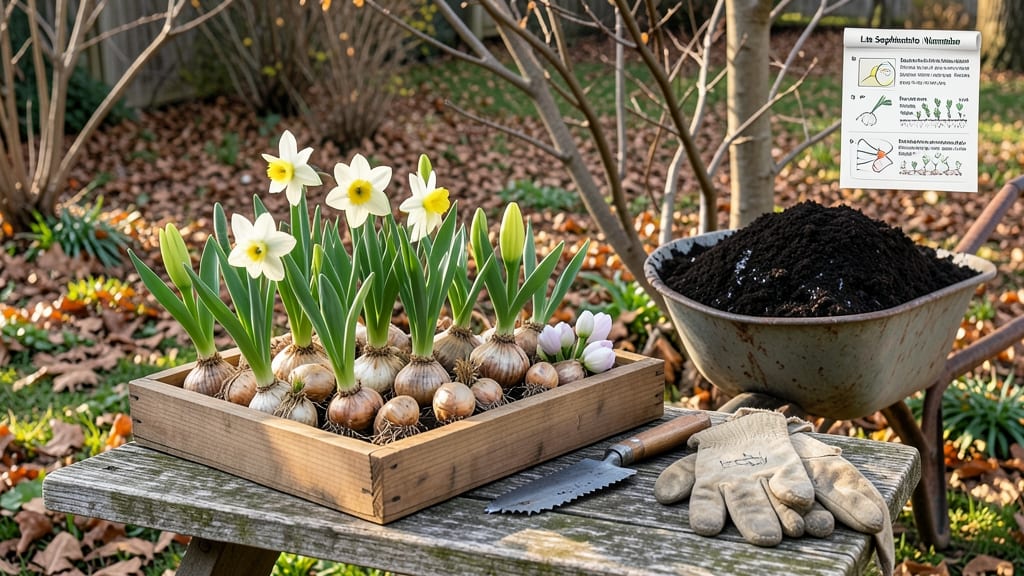
Timing your bulbs (General) planting in New York isn’t just about luck—it’s the difference between a garden bursting with color and one that never quite blooms.
With USDA Zone 6a winters that can swing from mild to brutal overnight, getting those 🌱 bulbs in the ground at the right moment is everything.
Most gardeners know fall is the magic window for planting spring-blooming favorites like tulips and daffodils, but did you know September through November is your sweet spot? Plant too early, and frost might still catch them.
Too late, and they won’t establish strong roots before winter sets in—leaving you with weak stems and disappointing blooms next spring.
But here’s the game-changer: early spring planting (March–April) works for summer-flowering bulbs like hyacinths and alliums, giving them time to mature before the heat of July and August.
We’ll break down exactly when to plant each type, plus how to adjust for New York’s tricky microclimates—whether you’re in the city or the countryside.
Ready to turn your garden into a year-round showstopper? Let’s dive into the perfect planting schedule for your bulbs, so you can enjoy vibrant blooms season after season without the guesswork.
New York’s best bulb planting months by USDA Zone (with frost date maps)
Timing your bulb planting in New York isn’t one-size-fits-all—it depends on your USDA zone, local frost dates, and even your neighborhood’s microclimate.
Most of New York falls into zones 5a-7a, but the difference between Long Island’s coastal warmth and the Adirondacks’ harsh winters can shift your planting window by weeks.
For spring-blooming bulbs like tulips and daffodils, aim to plant in fall (September-November), while summer-flowering varieties (like dahlias) go in spring (April-May).
To simplify, I’ve broken down the ideal planting months for each zone, using average first/last frost dates as your guide. Remember: bulbs need 6-8 weeks in the ground before freezing to establish roots.
In Zone 5a (northern NY), that means planting by mid-October, while Zone 7a (Long Island) gardeners can wait until early November. Always check your local National Weather Service frost map for real-time updates—last year’s early freeze in the Hudson Valley caught many off guard!
Pro tip: Use a soil thermometer to confirm when soil temps hit 60°F in spring or 50–60°F in fall—this is your green light to plant. In Zone 6a (like Rochester or Syracuse), I’ve had success planting hyacinths in late October and still getting blooms by April.
The key is consistent moisture after planting; water deeply once and let nature take over until spring.
For urban NY gardeners (Zone 7a), like those in Brooklyn or Queens, you might notice your soil stays warmer longer due to heat island effect. This means you can push planting dates slightly later—sometimes even into early December for hardy varieties like snow crocuses.
Just monitor weather forecasts and avoid planting if a hard freeze is predicted within 2 weeks.
One common mistake? Waiting too long in Zone 5a. If you miss your window, don’t panic—you can still plant spring-flowering bulbs in early spring (March-April), though they may bloom later or produce fewer flowers.
For summer bulbs (like dahlias), wait until after the last frost, usually mid-May in most of NY. Always check the NY State Climate Map for your exact location—it’s a game-changer for avoiding frozen bulbs!
If you’re in Western NY (e
How to adjust planting times for NY’s microclimates (and avoid frozen bulbs)
New York’s microclimates can turn a one-size-fits-all bulb planting plan into a gamble. What works in Upstate New York might fail in NYC’s urban heat islands, while Long Island’s coastal breezes create yet another set of rules.
The key? Adjusting your planting schedule based on your local frost dates, soil temperature, and even your garden’s exposure to wind or pavement heat.
For example, Manhattan’s concrete jungle stays warmer in fall, letting you plant tulips and daffodils a week later than gardeners in the Adirondacks. Meanwhile, Western NY’s colder winters demand earlier planting—sometimes as early as late August for hardy varieties like crocuses.
We’ll break down how to fine-tune your timing for urban, rural, and coastal NY gardens to keep your bulbs thriving.
Don’t overlook early spring planting for summer-flowering bulbs like hyacinths or gladioli. In Zone 6a–7a, these can go in as early as March (once soil warms to 55°F), giving them time to mature before July heat.
For NYC’s slower-warming soil, wait until mid-April to avoid stunted growth.
Pro tip: Layer bulbs to extend your bloom season. Plant early bloomers (crocuses) in September, mid-season (tulips) in October, and late bloomers (alliums) in November. This creates a staggered display from March through June, even in NY’s unpredictable climate.
If you’re still unsure about your local frost dates, check the National Oceanic and Atmospheric Administration (NOAA) or your local Cooperative Extension office. They provide hyper-local data that can save your bulbs—and your sanity—next winter.