
Plants
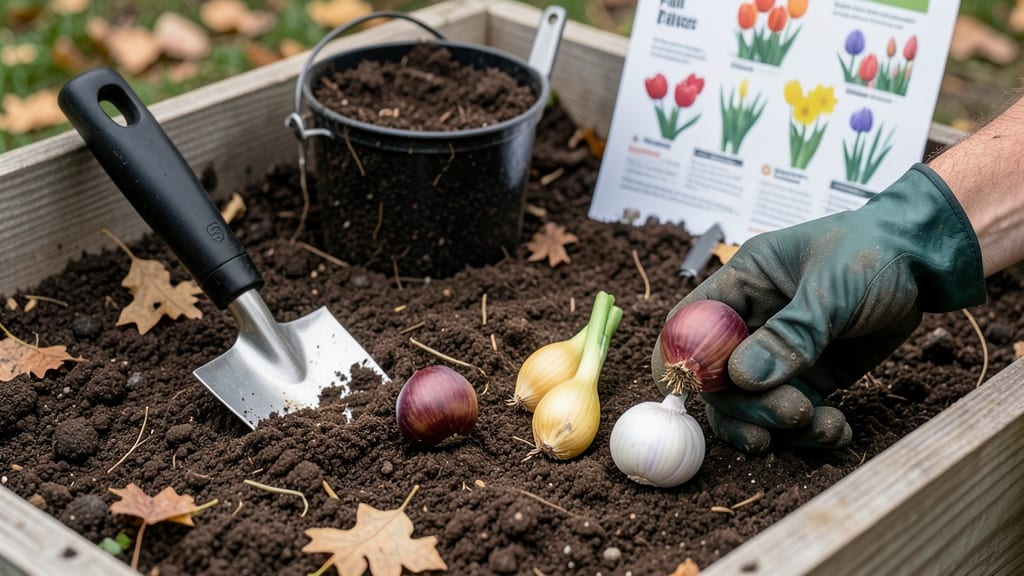
Timing your fall bulb planting correctly is the secret to waking up next spring to a garden bursting with 🌷 color—but most gardeners miss the mark by planting too early or too late.
The key? Understanding your local climate and the chill-hour needs of your favorite varieties, whether it's tulips, daffodils, or crocuses.
In USDA Zone 6a, where I garden, the perfect window opens 6-8 weeks before the first frost, typically between mid-September and early November. Planting too soon means bulbs may sprout and get fried by a late frost, while waiting too long risks shallow roots before winter sets in.
Don’t just guess—learn how to calculate your exact planting window based on your region’s frost dates and bulb types. I’ll walk you through the critical steps, from soil prep to post-planting care, so you can avoid common mistakes that kill blooms before they even begin.
Whether you're a first-time gardener or a seasoned pro, these insights will help you create a show-stopping spring display that starts with the right moves this fall. Let’s get those bulbs in the ground the right way!
Fall bulb planting timeline by USDA Zone: exact weeks before frost
Getting your fall bulb planting right means knowing your USDA hardiness zone and local frost dates. Most bulbs need 6-8 weeks in the ground before winter sets in—too early, and they’ll sprout too soon; too late, and they won’t root properly.
For example, in Zone 5, aim for mid-September to early October, while Zone 8 gardeners can plant until late November.
Soil temperature is just as critical as frost dates. Bulbs like tulips and daffodils thrive when soil temps drop to 50-60°F. Use a soil thermometer to check—if it’s still above 60°F, wait a few weeks.
In warmer zones, crocuses and snowdrops can handle slightly later planting since they have lower chill-hour needs.
🌱
📅 Fall Bulb Planting Window by USDA Zone
| USDA Zone | Planting Window | Soil Temp Goal | Example Bulbs |
|---|---|---|---|
| Zones 3-4 | Late August to mid-September | 50-60°F | Tulips, Daffodils, Hyacinths |
| Zones 5-6 | Mid-September to early October | 50-60°F | Alliums, Fritillaries, Crocuses |
| Zones 7-8 | October to late November | 55-65°F | Snowdrops, Grape Hyacinths |
| Zones 9-10 | November to early December | 60-70°F | Miniature Daffodils, Cyclamen |
💡 Pro Tip: Check your local average first frost date and plant 6-8 weeks before it. Use the Old Farmer’s Almanac for zone-specific guidance.
Regional microclimates can shift your planting window by 2-4 weeks. If you live in a valley or near a large body of water, frost arrives later—delay planting until mid-October.
Conversely, mountainous areas or high elevations may need bulbs in the ground by late August to avoid early freezes.
For container gardening, plant bulbs 4-6 weeks before your first frost. Containers cool faster than in-ground soil, so adjust your timeline earlier by 2 weeks. Use well-draining potting mix and place pots in a shaded spot after planting to slow root growth until winter.
🌿
Don’t assume all bulbs follow the same timeline. Tulips and hyacinths need longer chill periods (900-1,200 hours below 40°F), while crocuses and snowdrops thrive with just 300-600 hours.
If you’re in a mild-winter zone (like Zone 9), opt for low-chill varieties like ‘Christmas Rose’ or ‘Golden Daffodil’ to ensure blooms.
After planting, mulch heavily (4-6 inches) with straw or leaves to insulate bulbs from temperature swings. In Zone 7 and below, this extra layer can prevent heaving (bulbs pushing out of the soil) during freeze-thaw cycles. Remove mulch in early spring once shoots emerge to avoid rot.
🪴
If you miss the ideal window, don’t panic. Tulips and daffodils can handle late planting (up to December in mild zones), though blooms may be smaller or delayed.
For hyacinths, plant by November in Zone 6 or risk poor flowering. Always prioritize soil prep—amend with compost and sand for drainage—reg
Chill-hour requirements for 20 common spring bulbs: how cold they need to bloom
Not all bulbs thrive in every climate—chill-hour requirements determine whether your tulips or daffodils will bloom next spring. These cold-hour needs (measured in hours below 45°F) vary wildly, from 300 hours for heat-tolerant crocuses to 1,800 hours for hardy fritillaries.
If your region doesn’t meet a bulb’s chill needs, it’ll sit dormant and skip flowering entirely.
For example, Dutch iris needs 600-900 chill hours, while snowdrops (one of the earliest bloomers) only require 300-600 hours.
I’ve grown both in my Zone 6a garden, but last winter’s mild temperatures caused my iris to bloom poorly—until I swapped them for Darwin hybrid tulips, which need 1,200-1,500 hours and thrived.
Here’s how to decode chill-hour needs for your region and choose the right bulbs:
| Bulb Variety | Chill-Hour Range | Best Zones | Bloom Time |
|---|---|---|---|
| Crocus (Early) | 300-600 | 3-9 | February-March |
| Snowdrops (Galanthus) | 300-600 | 4-8 | January-February |
| Daffodils (Narcissus) | 600-1,200 | 3-10 | March-April |
| Tulips (Early) | 900-1,200 | 3-8 | April-May |
| Hyacinths | 1,200-1,500 | 4-8 | April-May |
| Alliums (Ornamental) | 1,200-1,800 | 3-9 | May-June |
| Fritillaries | 1,500-1,800 | 4-7 | April-May |
| Dutch Iris | 600-900 | 5-9 | April-May |
If your region falls short of a bulb’s chill needs—like my Zone 9 friends who struggle with tulips—try these workarounds: Plant heat-tolerant varieties (like Mexican rain lilies), use black plastic mulch to absorb heat, or pre-chill bulbs in your fridge for 6-8 weeks before planting.
For Zone 3-5 gardeners, you’re in luck—most bulbs will thrive, but focus on hardy varieties like snowdrops or Caucasian lilies for extra cold tolerance.
Pro tip: Check your local agricultural extension service for historical chill-hour data—some regions (like parts of Pacific Northwest) get more than others, even within the same zone.
I once planted 1,500-hour fritillaries in my Zone 6a garden and was disappointed until I learned my area averages 1,600+ chill hours—they just needed a sunnier, colder spot.
Now that you know which bulbs match your climate, the next step is planting them at the right depth and spacing—but that’s a topic for another guide. For now, grab your bulb planter and start digging!