
Plants
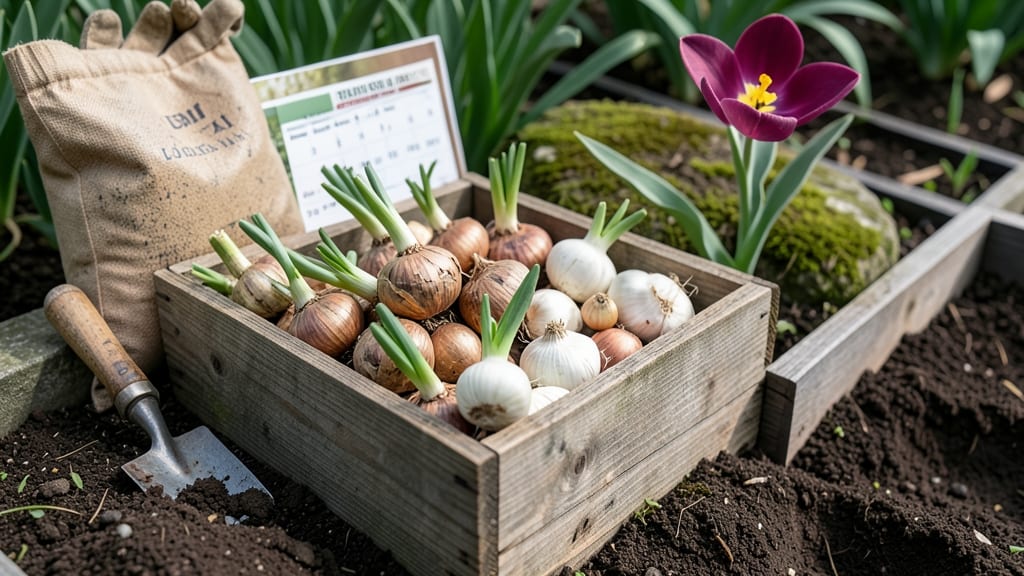
If you’ve ever stared at a bag of bulbs wondering when to plant bulbs in Zone 6a without a clear answer, you’re not alone. The wrong timing can mean wasted money—or worse, soggy, rotting bulbs before spring even arrives.
But here’s the good news: mastering this one window transforms your garden from forgettable to showstopping.
In Zone 6a, the perfect fall planting window is a 6-week countdown before the ground freezes—typically between mid-October and early December. This timing ensures bulbs root deeply but stay dormant until spring’s warmth signals blooms.
Think of it like a race against frost: plant too early, and bulbs may sprout and die; too late, and they won’t establish roots before winter.
I’ll break down the exact weeks to plant based on your local frost dates, plus soil prep tricks to give your bulbs a head start.
Whether you’re a first-time gardener or a seasoned pro, these secrets will help you avoid common mistakes—like planting in soggy soil or ignoring bulb hardiness—and guarantee vibrant blooms year after year.
Ready to skip the guesswork? Let’s dive into the science-backed timeline and care tips that’ll have your garden bursting with color come spring. Your future self will thank you!

Zone 6A bulb planting timeline: exact weeks before frost for success
In Zone 6A, the fall planting window for spring-blooming bulbs like tulips and daffodils is your golden ticket to vibrant spring color. Aim to plant 6-8 weeks before the first hard frost, typically between mid-October and early December.
This timing ensures bulbs establish roots before winter dormancy kicks in.
For Zone 6A, most gardeners target October 15th to November 15th as the ideal range. However, your exact date depends on local frost patterns—check your average first frost date (usually October 15th in Zone 6A) and count backward. Soil temperatures below 60°F signal it’s time to plant.
Fall-planted bulbs need 4-6 weeks of root growth before winter. If you’re in a colder microclimate (like the Appalachians), plant earlier (early October). In milder areas (like Virginia’s Piedmont), you can extend planting until late November. Never plant after the ground freezes—bulbs won’t survive.
Soil temperature is your best guide. Use a soil thermometer to confirm temps are between 40°F and 60°F at planting depth (typically 6-8 inches deep). If temps drop below 40°F, bulbs may rot before roots establish.
For summer-blooming bulbs like dahlias or gladiolus, the window shifts to late spring (May). These bulbs need warm soil to sprout, so wait until after the last frost (April 15th in Zone 6A) and soil temps reach 60°F+.
| Bulb Type | Planting Window | Soil Temp | Depth | Spacing |
|---|---|---|---|---|
| Tulips | Oct 15–Nov 15 | 40–60°F | 6–8" | 4–6" apart |
| Daffodils | Oct 1–Nov 30 | 40–60°F | 6–8" | 3–6" apart |
| Hyacinths | Oct 15–Nov 15 | 40–60°F | 6" | 4–5" apart |
| Crocus | Sep 15–Oct 15 | 50–60°F | 3" | 2–3" apart |
| Dahlias | May 15–Jun 15 | 60°F+ | 4–6" | 12–18" apart |
Pro tip: Test your soil before planting. Bulbs thrive in well-draining soil with a pH of 6.0–7.0. Amend heavy clay with compost or sand to prevent rot. For nutrient-poor soil, mix in a bulb-specific fertilizer at planting.
After planting, water deeply to settle soil around bulbs, then reduce watering until spring. A 2-inch layer of mulch (straw or shredded leaves) insulates bulbs and retains moisture. Avoid organic mulches like grass clippings—they can mat down and suffocate bulbs.
Spring-blooming bulbs will reward you with early color (as early as March for crocus) if planted correctly. Don’t fertilize in fall—bulbs need to focus on root growth, not foliage. Wait
Zone 6A bulb planting timeline: exact weeks before frost for success
In Zone 6a, the ideal bulb planting window is a 6-week countdown before the ground freezes—typically between mid-October and early December. This timing ensures bulbs establish roots but stay dormant until spring.
For example, if your first frost is October 15, aim to plant by September 1.
Most spring-blooming bulbs—like tulips, daffodils, and hyacinths—need 4-6 weeks of cool soil temperatures (60°F or below) to root before winter. Fall-planted varieties like crocus and snowdrops can handle even earlier planting, as they’re hardier and bloom in late winter.
🌱 Pro Tip: Check your local USDA Plant Hardiness Zone Map for precise frost dates. In colder microclimates (e.g., Appalachia), plant 2 weeks earlier than milder areas (e.g., Virginia Piedmont).
| Bulb Type | Planting Window | Soil Temp Threshold | Depth |
|---|---|---|---|
| Tulips | Oct 15–Nov 15 | Below 60°F | 6–8 inches |
| Daffodils | Oct 1–Nov 30 | Below 55°F | 8–12 inches |
| Hyacinths | Oct 15–Dec 1 | Below 60°F | 6–8 inches |
| Crocus | Sep 15–Oct 30 | Below 50°F | 3–4 inches |
| Allium | Oct 1–Nov 15 | Below 60°F | 6–8 inches |
For summer-blooming bulbs like dahlias or gladiolas, wait until late spring (April–May) in Zone 6a. These bulbs need warmer soil to sprout and won’t tolerate frost. Plant them after the last frost date—usually April 15 or later.
🌿 Soil Prep Tip: Amend your planting area with compost or well-rotted manure to improve drainage. Bulbs rot in soggy soil, so avoid planting in low-lying areas where water pools. A 1-inch layer of gravel at the bottom of the hole also helps.
Finally, mulch lightly (1–2 inches) after planting to insulate bulbs from temperature swings. Remove mulch in early spring to encourage blooms. With this timeline, your Zone 6a garden will reward you with bold, early-season color—and fewer wasted bulbs!