
Plants
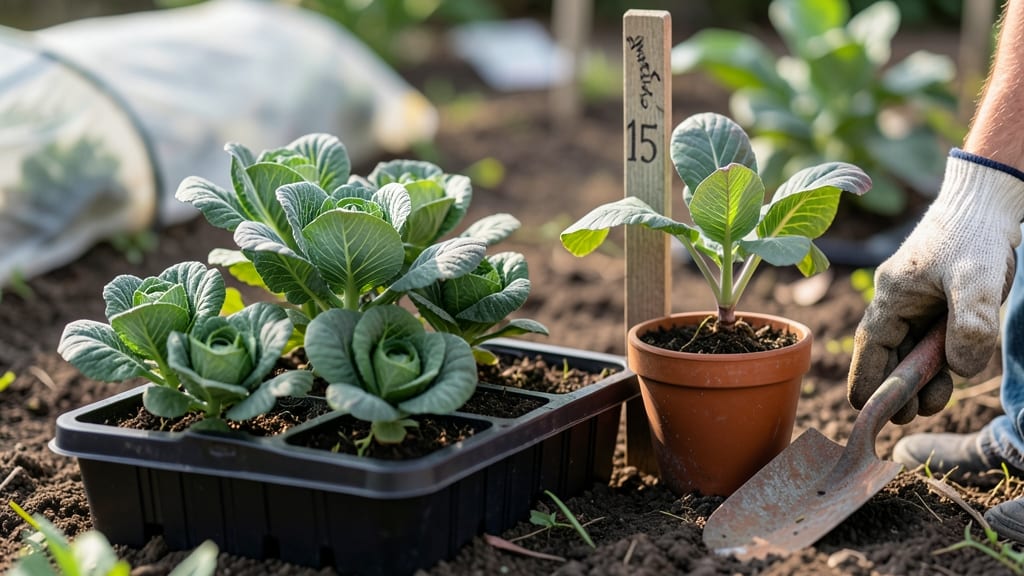
If you’ve ever watched your 🥬 cabbage bolt into flower before you could harvest a single head, you know the frustration all too well—but knowing when to plant cabbage in Illinois can turn that disappointment into a bountiful harvest.
Planting at the wrong time in Illinois's unpredictable climate can turn your garden dreams into a bitter lesson—especially when premature flowering ruins your hard work.
The key to avoiding this disaster lies in understanding Illinois's microclimates and planting during the optimal 4-6 week window before your last frost date. Whether you're in the cooler northern regions or the warmer southern parts of the state, timing matters more than you might think.
Let me show you exactly when to plant for zero bolt risk and the best varieties to choose.
Most gardeners in USDA Zones 5-6 make one critical mistake: they either plant too early when soil temperatures are still chilly or wait too long, only to face bolting before harvest. The solution? A strategic approach that accounts for your specific location's frost dates and heat waves.
I'll break down the exact weeks to plant in Illinois, so you can enjoy healthy, harvest-ready cabbage all season long.
Ready to transform your garden from a gamble to a guaranteed success? Let's dive into the microclimate-specific planting schedule that will keep your cabbage growing strong and your dinner table stocked with homegrown goodness.
Illinois microclimate planting Zones: best weeks to avoid cabbage bolting
Cabbage thrives in Illinois when planted at the right time, but premature bolting (flowering) can ruin your harvest if you're off by even a few weeks. Illinois spans USDA Zones 5-6, creating distinct microclimates where planting windows vary by 10-14 days between regions.
To avoid bolting, I’ve broken down the optimal planting weeks for Northern, Central, and Southern Illinois based on soil temperature thresholds and frost dates.
The key to success is planting when soil temperatures reach 45°F (7°C) but before daytime highs exceed 75°F (24°C). In Illinois, this means starting indoor seeds 4-6 weeks before your region’s last frost date or direct-sowing outdoors 2-3 weeks later.
Let’s dive into the exact weeks for each microclimate to ensure your cabbage grows bolting-free and ready for harvest.
| Region | Last Frost Date | Start Indoors | Direct Sow Outdoors | Fall Planting Window | Key Varieties |
|---|---|---|---|---|---|
| Northern IL (Zone 5) | April 20-25 | March 15-20 | April 10-15 | July 15-August 1 | Early Jersey Wake, Golden Acre |
| Central IL (Zone 5-6) | April 10-15 | March 20-25 | April 1-5 | July 20-August 5 | Red Express, Savoy King |
| Southern IL (Zone 6) | April 1-5 | March 25-April 1 | March 25-April 1 | July 25-August 10 | Crimson Love, Waxed Head |
🌱 Pro Tip: Use row covers to extend outdoor planting by 2 weeks in cooler zones.
For spring plantings, aim to transplant seedlings outdoors 2-3 weeks before your region’s last frost date. In Northern Illinois, this means early April, while Southern Illinois gardeners can start as early as late March.
The goal is to give cabbage 60-70 days of growth before summer heat triggers bolting. Varieties like Golden Acre are bolt-resistant and ideal for Northern Illinois, whereas Red Express thrives in Central and Southern regions.
If you’re planting for a fall harvest, start seeds indoors 10-12 weeks before your first frost date. In Illinois, this translates to mid-July for Northern regions and late July for Southern areas.
Fall-planted cabbage benefits from cooler temperatures, which slow growth and prevent bolting. Choose cold-hardy varieties like Savoy King or Crimson Love for fall success.
One critical mistake I see Illinois gardeners make is ignoring soil temperature. Cabbage seeds won’t germinate well in cold soil (<45°F). Use a soil thermometer to confirm temperatures before planting.
If soil is too cold, wait 1-2 weeks or use black plastic mulch to warm it faster. This small step can mean the difference between a bolting disaster and a bountiful harvest
Illinois microclimate planting Zones: best weeks to avoid cabbage bolting
Illinois spans USDA Zones 5-6, creating distinct microclimates where cabbage planting timing can make or break your harvest. The northern regions (like Chicago) experience earlier frosts, while southern Illinois (near St. Louis) has longer growing seasons.
To prevent bolting, I've mapped out the optimal 4-6 week planting windows for each zone based on historical frost data and soil temperature thresholds.
For northern Illinois (Zones 5a-5b), start seeds indoors 4-6 weeks before your last frost date—typically around March 1-15. Transplant outdoors 2-3 weeks before the last frost (usually April 15-30).
Southern Illinois gardeners (Zones 6a-6b) can plant outdoors directly in the garden as early as February 20-March 15 for a spring harvest.
| Region | Last Frost Date | Indoor Start (Seeds) | Outdoor Planting Window | Fall Planting Window |
|---|---|---|---|---|
| Northern IL (Zone 5a-5b) | April 15 | March 1-15 | April 15-30 | July 15-August 1 |
| Central IL (Zone 5b-6a) | April 1-15 | February 20-March 10 | March 20-April 15 | July 1-August 15 |
| Southern IL (Zone 6a-6b) | March 20-April 5 | February 1-15 (optional) | February 20-March 15 | July 15-September 1 |
Soil temperature is your secret weapon against bolting. Cabbage thrives in soil that's 45-85°F, but temperatures above 80°F trigger bolting. Use a soil thermometer to confirm readiness—plant only when soil reaches 45°F consistently for spring plantings. For fall crops, aim to harvest before temperatures drop below 50°F at night.
Pro tip: Northern Illinois gardeners should prioritize early-maturing varieties like 'Golden Acre' (58 days) or 'Early Jersey Wakefield' (60 days) to beat the heat. Southern Illinois can handle larger varieties like 'State Fair' (85 days) or 'Red Express' (65 days) with proper shade cloth during summer heat waves.
Remember, successive plantings every 2-3 weeks after your initial date will give you a continuous harvest. This technique works especially well in Central Illinois, where you can stretch your growing season from May through October with careful timing and cold-hardy varieties.
By following these microclimate-specific guidelines, you'll avoid the heartbreak of bolting and enjoy firm, flavorful cabbage heads all season long. The key is planting at the right time—not too early (risking frost damage) and not too late (risking bolting).