
Plants
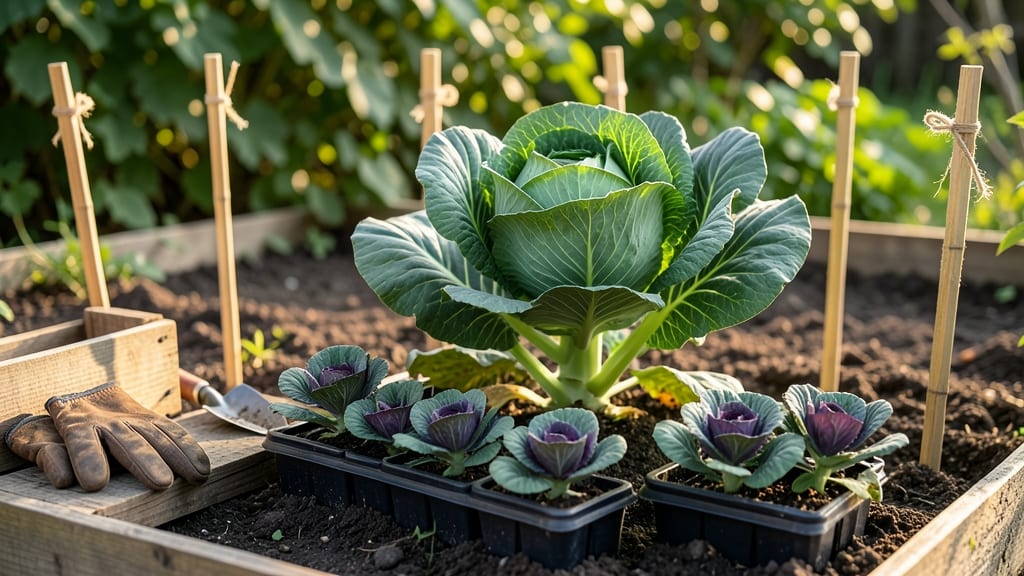
Planting 🥬 cabbage in Zone 7b at the wrong time can turn your sweet harvest into bitter disappointment—because one misstep means bolting before the heat arrives.
The key isn’t just when you plant, but understanding the 4-week window that keeps your cabbage cool, happy, and heading toward a crisp, flavorful harvest.
In Zone 7b, where last frost typically hits around March 15, timing is everything. Plant too early, and your cabbage will bolt (flower) before forming heads. Too late, and summer heat will turn your leaves tough and stringy.
The solution? A precise schedule that aligns with soil temperatures and your local frost dates—without guessing.
Whether you’re starting seeds indoors or sowing directly, I’ll break down the exact spring and fall windows that work for Zone 7b, plus how to adjust for early vs. late varieties.
No more wasted seeds or sad, bolting plants—just reliable, bolting-free cabbage that’s ready to harvest by May or October.
Let’s dive into the step-by-step planting calendar that’ll have your garden producing cabbage heads all season long—no stress, no second-guessing. You’ve got this!

Optimal planting windows for cabbage in Zone 7b (spring & fall)
In Zone 7b, cabbage (Brassica oleracea) thrives when planted during two critical windows: early spring and late summer. The key is avoiding bolting—when heat triggers premature flowering—by aligning your planting with cooler temperatures.
For spring, aim for 4-6 weeks before your last frost date (typically mid-March), while fall plantings should go in 8-10 weeks before the first frost (early September).
Zone 7b’s 165 frost-free days create a tight schedule. Miss these windows, and you’ll risk bitter, tough leaves or wasted effort. My strategy? Start with transplants (hardier than seeds) for spring and use direct sowing for fall, when summer heat has passed.
Both methods require precise timing to maximize your harvest before summer’s heat sets in.
🌱
For spring plantings, I recommend starting transplants indoors by February 15 to ensure they’re ready for the garden by mid-March. Use grow lights if natural light is limited, and avoid overcrowding seedlings—this stresses them and delays growth.
In Zone 7b, soil temperatures below 55°F can stunt germination, so wait until the ground warms up before transplanting.
Fall plantings are trickier because summer heat lingers. I’ve found that direct sowing seeds in early August (when soil temps drop below 70°F) gives the best results. If you’re using transplants, opt for heat-tolerant varieties like ‘Cavalo’ or ‘Golden Acre’ to reduce bolting risk.
Always water deeply in the morning to cool the soil and prevent stress.
One common mistake? Planting too late in spring. If you miss the April 15 deadline, your cabbage will bolt by June. To avoid this, I set calendar reminders for 4 weeks before the last frost—that’s my hard cutoff.
For fall, the same rule applies: 10 weeks before frost is non-negotiable for a full head.
🌿
Pro tip: Use a soil thermometer to monitor temperatures. Cabbage seeds need 45–55°F soil to germinate, while transplants prefer 50–60°F. If your soil runs hotter, wait a few days or use shade cloth to protect young plants.
I’ve saved multiple batches of cabbage by acting on these small details—don’t overlook them!
Finally, remember that Zone 7b’s microclimates can vary. If you’re in a cooler pocket (like near water), you might push spring plantings to early April. Conversely, in hotter areas, start fall plantings by July 31 to avoid summer’s peak heat.
Always check your local USDA Plant Hardiness Zone Map for precision.
Optimal planting windows for cabbage in Zone 7b (spring & fall)
In Zone 7b, your cabbage has just a 4-week window to go from seedling to harvest before summer heat triggers bolting. The magic happens when soil temps hover between 45°F and 85°F—any hotter, and your plants will bolt; any cooler, and growth stalls.
For spring, this means planting 4-6 weeks before your last frost date (typically March 15), while fall plantings need to start 8-10 weeks before first frost (November 15).
Direct sowing vs. transplanting changes the timeline. Start seeds indoors 6-8 weeks before last frost (around February 1-15) for spring, or sow directly 3-4 weeks before transplanting. For fall, direct sow 6-8 weeks before first frost (around September 1-15) to avoid late-season heat stress.
| Season | Planting Method | Start Date (Zone 7b) | Soil Temp | Key Tip |
|---|---|---|---|---|
| Spring | Indoor Seeds | Feb 1-15 | 50-60°F | Transplant outdoors 4-6 weeks before last frost |
| Spring | Direct Sow | March 15-April 1 | 45-55°F | Use row covers for early sowings |
| Fall | Direct Sow | Aug 15-Sept 15 | 60-70°F | Choose fast-maturing varieties for fall |
| Fall | Transplant | Sept 1-Oct 1 | 55-65°F | Use shade cloth if temps exceed 80°F |
Pro tip: Use a soil thermometer to confirm temps. If your soil runs hotter than 85°F, even for a few days, your cabbage will bolt. For spring plantings, aim for 50-60°F soil when transplanting; for fall, keep it between 60-70°F until heads form.
Mulch with straw or grass clippings to stabilize temps and retain moisture.
Missed the spring window? Don’t panic—fall cabbage can be just as productive. The key is succession planting: sow every 2-3 weeks from August through September to stagger harvests. This ensures you’re always getting fresh heads while avoiding the late-summer heat spike that triggers bolting.
Remember, cabbage is a cool-season crop, so your goal is to beat the heat. Plant too late in spring, and you’ll battle bolting; plant too early in fall, and your heads won’t mature before frost.
Nail these windows, and you’ll enjoy crisp, sweet cabbage from May through November—no bitter surprises included.