
Plants
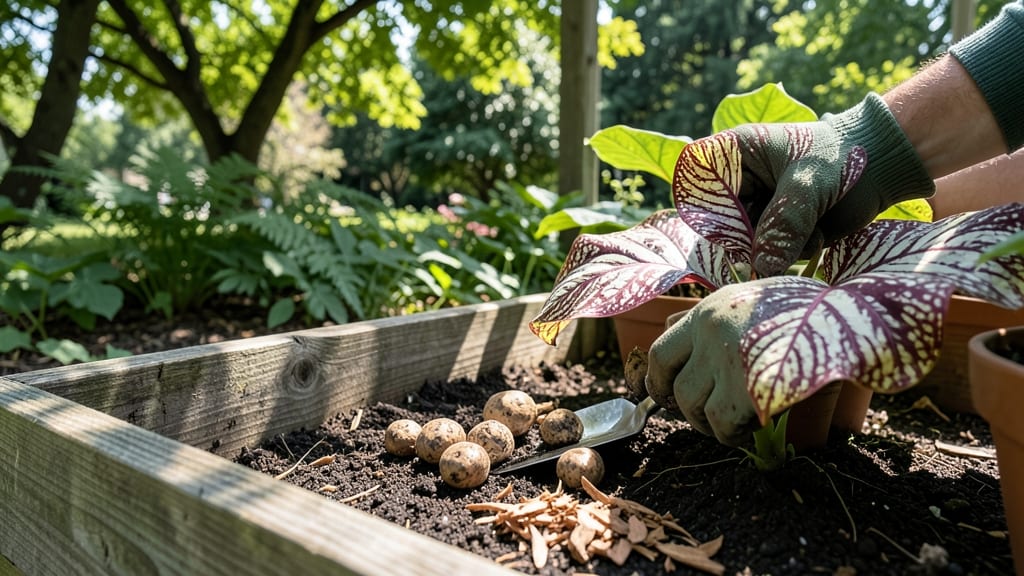
Timing your caladium bulb planting in Texas is the key to unlocking those show-stopping leaves—because getting it wrong means wilting before the season even starts.
These tropical beauties 🌿 love heat but despise cold snaps, so knowing exactly when to tuck them into the soil (after late March or early May) can mean the difference between a lush display and a sad, shriveled mess.
If you’ve ever watched your caladiums struggle in the Texas sun or freeze under unexpected chill, you’re not alone.
The secret lies in waiting until soil temperatures hit at least 65°F and all frost risk has vanished—especially critical in zones 8a-10a, where early planting can fry tender roots before they even sprout.
Here’s the good news: with the right prep, you can turn your Texas garden into a year-round foliage show.
I’ll walk you through the exact window for planting, soil tricks to keep them thriving, and even how to stretch their season with containers—so you can enjoy those vibrant leaves from spring well into summer.
Ready to grow caladiums that steal the show? Let’s dive into the perfect timing and care tips tailored just for Texas gardens.
Ideal Texas planting months for caladium bulbs: heat zones explained
Texas's diverse climate—from the cool hills of North Texas to the humid heat of the Gulf Coast—means caladium bulbs need precise timing to thrive. These tropical plants despise frost and soil temperatures below 65°F, so planting too early can stunt their vibrant foliage.
Let’s break down the best windows by USDA zones 8a-10b to ensure your caladiums burst into color.
In North Texas (zones 8a-8b), where frosts linger until mid-February, wait until late April to plant. South Texas gardeners in zones 9a-10b can start as early as late February, but avoid planting before soil warms—caladiums won’t sprout until temperatures hit 70°F consistently.
Use a soil thermometer to check!
Pro tip: Monitor local frost dates—the average last frost in Houston is January 15, but a late freeze can still sneak in. For safety, plant caladiums 2-3 weeks after your region’s last frost date. This gives the soil time to warm and reduces stress on the bulbs.
🌱
| Texas Region | USDA Zone | Best Planting Window | Soil Temp Requirement | Key Risk |
|---|---|---|---|---|
| North Texas (Dallas/Fort Worth) | 8a-8b | Late April–Early May | ≥65°F (18°C) | Late frosts (after March 15) |
| Central Texas (Austin/San Antonio) | 8a-9a | Early April–Mid-April | ≥68°F (20°C) | Unpredictable cold snaps |
| East Texas (Tyler/Longview) | 8a-8b | Mid-April–Early May | ≥65°F (18°C) | Humidity + fungal risks |
| South Texas (Houston/Galveston) | 9a-10b | Late February–Early March | ≥70°F (21°C) | Early summer heat stress |
| West Texas (El Paso/Midland) | 8a-8b | May–Early June | ≥75°F (24°C) | Extreme heat + drought |
If you’re in West Texas, where summers arrive early, consider container gardening to move plants to shade during peak heat. Caladiums in zones 9b-10b can even handle early spring planting, but mulch heavily to retain moisture—Texas clay dries out fast!
For container-grown caladiums, you can plant 2-4 weeks earlier than ground plantings since pots warm faster. Just ensure your containers have drainage holes and use a lightweight potting mix to prevent root rot. My favorite trick? Add perlite or vermiculite to improve drainage—caladiums hate soggy roots!
Remember: Caladiums are summer performers. Planting them too late (after June 1) may mean they bolt or fade before fall. Aim for peak foliage by July for the most dramatic garden impact. In North Texas, this means rushing to plant by late April—don’t wait!
🌿
One last tip: Use a shade cloth if planting in full sun areas, even in partial shade spots. Caladiums’ leaves can scorch in direct afternoon sun, especially in South Texas’s intense UV.
A 30-50% shade cloth works wonders for protecting their delicate foliage while keeping them bright and vibrant.
Now that you’ve got
Ideal Texas planting months for caladium bulbs: heat zones explained
Texas gardeners know caladium bulbs thrive in warm soil and humid air, but timing is critical. Plant too early, and the bulbs rot in cold soil; too late, and you miss their showy foliage season.
The key is waiting until soil temperatures hit 65°F or warmer—typically late March to early May across most of Texas.
Texas spans USDA Zones 8a-10a, meaning frost dates vary wildly. In North Texas (8a-8b), last frost often hits February 15, while South Texas (9a-10a) sees frost as late as January 15.
Your planting window shifts with these zones—North Texas gardeners should wait until mid-April, while South Texas can plant as early as late February.
| Texas Zone | Last Frost Date | Ideal Planting Window | Soil Temp Requirement |
|---|---|---|---|
| 8a-8b (North TX) | Feb 15 | Mid-April to early May | 65°F+ |
| 9a (Central TX) | Jan 31 | Late March to April | 65°F+ |
| 10a (South TX) | Jan 15 | Late Feb to March | 60°F+ |
Use a soil thermometer to confirm temperatures—caladium bulbs won’t sprout until the ground warms. In East Texas, where humidity is higher, you can plant 2-3 weeks earlier than in West Texas, where dry air demands extra moisture.
Pro tip: Mulch heavily after planting to retain soil warmth and moisture.
First-time Texas gardeners often ask if fall planting works. The answer? No.
Caladiums are tender perennials that won’t survive Texas winters, even in Zone 10a. Treat them as annuals—plant in spring, enjoy their foliage through summer, and dig up bulbs before frost to store indoors for next year.
For container gardening, you can plant 1-2 weeks earlier than in-ground, since pots warm faster. Just ensure containers have drainage holes and use a lightweight potting mix to prevent soggy roots. Place containers in partial shade to protect bulbs from intense afternoon sun.
Missed the spring window? Don’t panic! While late May plantings won’t bloom as vigorously, they’ll still produce colorful foliage through summer. Just water deeply and mulch well to compensate for the shorter growing season.
The trade-off? You’ll sacrifice peak color intensity, but they’ll still add tropical flair to your garden.