
Plants
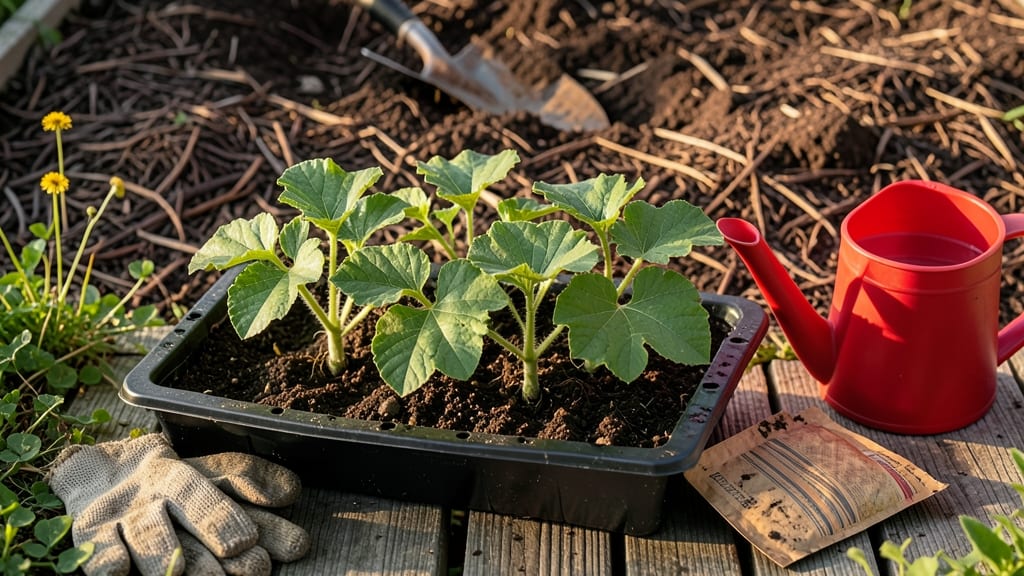
Knowing when to plant cantaloupe in Zone 9b can mean the difference between a bountiful harvest and wasted effort.
The desert heat of Phoenix or Southern California might seem ideal, but timing is everything—especially when it comes to avoiding that dreaded bolting before your 🍈 even has a chance to ripen.
Most gardeners in Zone 9b make the mistake of planting too early, only to watch their cantaloupes bolt into flower before the soil warms enough to support fruit development. The key?
Waiting until soil temperatures hit a steady 70°F—usually around late February to early March—when the risk of cold snaps has passed and the days are getting longer.
But here’s the twist: if you’re aiming for a fall harvest, you can actually plant again in late summer—just be prepared to monitor water and shade carefully.
I’ll walk you through the exact soil temperature triggers, planting strategies, and how to extend your growing season without losing your plants to heat stress.
Ready to turn your Zone 9b garden into a cantaloupe powerhouse? Let’s dive into the most important steps to get your timing right—and keep your vines producing sweet, ripe fruit all season long.

Optimal planting windows for cantaloupe in Zone 9b based on soil temperature
In Zone 9b, cantaloupe thrives in the long growing season but requires precise timing to avoid premature bolting. Unlike cooler zones, your soil temperature is the critical factor—not frost dates.
Cantaloupe seeds need 60°F+ soil to germinate, while transplants prefer 70°F+ for robust growth. Planting too early risks stunted growth, while waiting too long may shorten your harvest window.
Zone 9b’s mild winters and hot summers create two ideal planting windows: early spring (February–March) and late summer (August–September) for a fall harvest. The key is aligning your planting with soil warmth and daylength to prevent stress.
For example, Phoenix gardeners often start seeds indoors in late January to transplant by mid-March.
Here’s the soil temperature breakdown for Zone 9b planting success:
| Stage | Soil Temp (°F) | Planting Window | Notes |
|---|---|---|---|
| Seed Germination | 60–65°F | Late February–Early March | Use black plastic mulch to warm soil faster. |
| Transplanting | 70°F+ | Mid-March–Early April | Avoid temperature swings—harden off seedlings first. |
| Late Summer Harvest | 65–70°F | August–September | Use shade cloth to prevent bolting in peak heat. |
For direct sowing, drop seeds ½-inch deep in well-drained soil once nighttime temps stay above 55°F. In Southern California’s inland valleys, this often means early March, while coastal areas like San Diego can start slightly earlier due to cooler microclimates.
Always test soil with a thermometer—don’t guess!
Pro tip: Heat-tolerant varieties like ‘Hale’s Best’ or ‘Ambrosia’ perform best in Zone 9b’s heat. These non-bolting hybrids mature faster (60–70 days) and handle 100°F+ temps better than heirlooms. Pair them with drip irrigation to keep roots cool and consistent.
If you’re planting for a fall harvest, aim for late August when soil temps drop slightly. Use row covers at night to protect young plants from desert coyotes (yes, they love cantaloupe!) and temperature drops.
Just remember: cantaloupes need 80–90 days to mature, so time your planting to finish before first frost—though Zone 9b rarely sees frost, cool snaps can stunt growth.
One common mistake? Planting too close to summer solstice (June 21). The long daylight hours trigger bolting, causing flowers to form without fruit. Instead, opt for early spring or late summer windows to align with shorter days and cooler soil.
For container growing, use 5-gallon pots filled with cactus mix (sandy, fast-draining). Plant in full sun and monitor soil moisture daily—containers dry out 3x faster than in-ground beds. Elevate pots to improve airflow and reduce root rot risk.
🌱
Optimal planting windows for cantaloupe in Zone 9b based on soil temperature
Zone 9b’s warm winters and long growing season make cantaloupe a perfect fit, but timing is critical to avoid bolting—when plants flower too early and produce bitter fruit. The key is waiting for soil temperatures to hit 60°F+ before planting.
In my experience, this usually aligns with late February to early March for spring plantings, but microclimates can shift this by weeks.
Cantaloupes thrive in 70°F+ soil, which is why I always test with a soil thermometer. In Phoenix, for example, daytime soil temps reach this threshold by mid-March, while coastal areas like San Diego may wait until late March.
Planting too early risks cold stress, while waiting too long can lead to summer bolting under intense heat.
| Planting Window | Soil Temp Requirement | Air Temp Range | Zone 9b Timing |
|---|---|---|---|
| Spring Planting | 60°F+ (minimum) | 65-85°F | Late Feb - Early Mar |
| Ideal Spring Window | 70°F+ | 70-80°F | Mid-Mar - Early Apr |
| Late Summer Planting | 65°F+ | 75-90°F | Late Aug - Early Sep |
For a fall harvest, I’ve had success with late summer plantings (August-September) when soil temps remain warm but daytime highs don’t exceed 90°F. This strategy works best in inland areas like the Coachella Valley, where nights cool down faster.
Coastal regions may need to plant even later to avoid summer’s peak heat.
Pro tip: Use black plastic mulch to warm soil faster if you’re planting early. I’ve seen soil temps rise 10°F+ under mulch within days, giving you an earlier start. Just remove it once vines begin spreading to prevent overheating.
Remember, cantaloupes need 75-90 days to mature. Planting in mid-March typically yields harvests by late May to June, just as summer heat ramps up. This timing ensures you avoid both spring cold snaps and the intense mid-summer bolting that plagues many Zone 9b gardeners.
If you’re still unsure about soil temps, opt for transplants instead of seeds—they’re less sensitive to temperature fluctuations and give you a head start. Just harden them off properly before setting them out!