
Plants
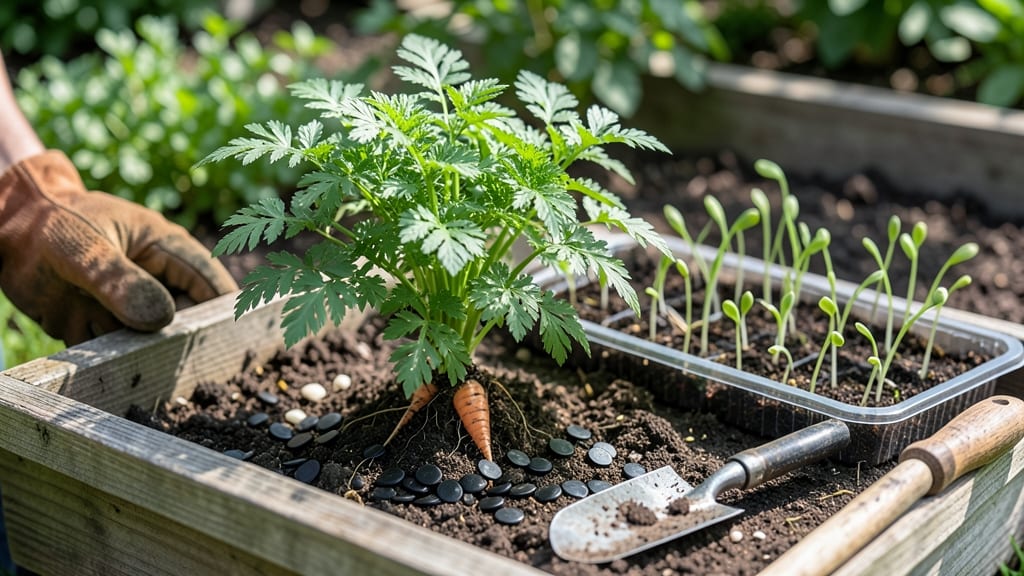
Timing your 🥕 carrot planting in Georgia can mean the difference between a bountiful harvest and wasted effort. With frost dates shifting from mid-March to late November across zones 7b-8b, getting those seeds in the ground at the right moment is everything.
Plant too early, and a late frost will nip your seedlings in the bud. Too late, and Georgia’s summer heat turns your sweet roots into tough, woody sticks.
Most gardeners in Georgia focus on two ideal windows: spring (February-March) and fall (August-September). These periods give your carrots the perfect balance of cool weather and long daylight hours they crave.
But here’s the catch: your exact microclimate—whether you’re in the Atlanta heat island or the cooler Blue Ridge Mountains—can shift those dates by weeks.
I’ve grown carrots in Georgia for years, and I’ve learned the hard way that one-size-fits-all advice doesn’t cut it. Whether you’re a first-time gardener or a seasoned pro, you need a strategy tailored to your specific zone and soil conditions.
Let’s break down exactly when to plant for your corner of Georgia—and how to avoid the most common mistakes that ruin crops.
Ready to grow carrots that rival the ones at your favorite farmers’ market? I’ll walk you through the precise planting schedule, soil prep secrets, and even how to stretch your harvest season. Your next crisp, homegrown carrot is just a few weeks away—if you time it right.
Georgia’s carrot planting calendar by USDA hardiness zone (with frost-free date maps)
Georgia spans USDA zones 7a through 8b, and your exact zone dictates when to plant 🥕 carrots for the best results. The last frost dates vary wildly—from early March in zone 8b (Savannah) to late March in zone 7a (Blue Ridge Mountains).
These differences mean a 3-week window can separate success from failure in your garden.
For most of Georgia, the ideal planting windows are February-March (spring) and August-September (fall). However, gardeners in zone 7a should delay spring planting until after mid-April to avoid frost damage, while those in zone 8b can start as early as January in protected microclimates.
The key is waiting until soil temperatures hit 50°F (10°C)—a critical threshold for germination.
Here’s how to align your planting with Georgia’s microclimates. Urban areas like Atlanta (zone 7b-8a) often experience urban heat islands, allowing earlier spring plantings, while rural highland areas may need to wait weeks longer. Coastal regions (zone 8a-8b) can extend fall plantings into early October without frost risk.
Spring planting in Georgia is a race against bolting. Carrots bolt (flower prematurely) when exposed to long daylight hours and heat. To prevent this, choose short-day varieties like ‘Danvers Half Long’ or ‘Nantes’ and plant in partial shade cloth if temperatures exceed 75°F (24°C).
Fall plantings avoid this issue entirely, as cooler temps keep roots sweet and crisp.
Pro tip: Use row covers to extend your spring planting by 2–3 weeks. I’ve seen gardeners in zone 7b push their first planting to late February by covering seeds with lightweight fabric.
Just remove it once true leaves appear to prevent overheating. This trick adds 4–6 weeks to your harvest window!
For fall plantings, aim to harvest before first frost. In zone 7a, this means pulling carrots by mid-November, while zone 8b gardeners can wait until late December.
If you’re in a transitional zone, opt for cold-hardy varieties like ‘Chantenay’ or ‘Moscow Winter’—they tolerate light frosts better than standard types.
One mistake I see often? Planting too deeply. Carrot seeds need light to germinate—bury them only ¼ inch deep in loose, stone-free soil. In Georgia’s clay-heavy soils, amend beds with compost or sand to prevent forked roots.
And always thin seedlings to 2–3 inches apart; crowded carrots grow gnarled and bitter.
Ready to pick your perfect planting window? Bookmark this calendar and check your local frost-free date maps (like those from the Georgia Climate Project) for pinpoint accuracy. Your first harvest could be just 70 days away—if you time it right!
5 Critical factors that determine Your Carrot Planting Timeline in Georgia
Your carrot planting success in Georgia depends on more than just frost dates—local conditions can shift ideal times by weeks. I’ve seen sandy coastal soil dry out too fast, while clay-rich mountain gardens stay soggy for months. These five factors will help you pinpoint the perfect window for your microclimate.
First, check your soil type. Sandy soils warm up faster in spring, letting you plant 2-3 weeks earlier than clay soils. Test your soil’s drainage—carrots hate waterlogged roots.
In Zone 7a (north Georgia), aim for planting when soil reaches 50°F; in Zone 8b (coastal areas), wait until 55°F to avoid bolting.
- 🌡️ Soil Temperature: Plant when soil is 50–55°F (use a soil thermometer for accuracy).
- 🏔️ Elevation: Mountain areas (Zone 7a) plant 3–4 weeks later than coastal plains (Zone 8b).
- 🌧️ Rainfall Patterns: In drought-prone areas, use drip irrigation; in wet zones, raise beds for drainage.
- 🌿 Companion Plants: Pair carrots with dill or rosemary to deter pests; avoid onions or leeks (they stunt growth).
- ☀️ Sun Exposure: Partial shade in summer (e.g., 30% shade cloth) prevents bolting in 90°F+ heat.
Next, consider your elevation and microclimate. Atlanta’s urban heat island effect can make spring planting 2 weeks earlier than rural areas just 20 miles away. Use a local frost calendar (like the one from UGA Extension) to adjust.
In Zone 7a, I’ve had success with late-March plantings, while Zone 8b gardeners often start in February.
Don’t overlook rainfall patterns. Georgia’s unpredictable weather means you might need to stagger plantings or use mulch to retain moisture. In drought-prone areas like southwest Georgia, I recommend drip irrigation to keep soil consistently moist.
Conversely, in wet zones like the coastal plains, raised beds improve drainage and prevent rot.
Your companion plants also play a role. Carrots thrive near dill or rosemary, which repel carrot flies, but they’ll stunt if planted near onions or leeks. For fall plantings, I mix in radishes as marker crops—they sprout faster and signal when it’s safe to plant carrots.
Finally, adjust for summer heat. Carrots bolt (go to seed) when days exceed 80°F. In Zone 8b, use 30% shade cloth from June–August to keep soil temps below 85°F.
I’ve grown ‘Paris Market’ carrots successfully in July by planting in morning sun only and watering deeply twice daily.
Pro tip: Bookmark the UGA Extension frost maps and check your local Cooperative Extension office for yearly adjustments. With these factors in mind, you’ll avoid the 3 most common Georgia carrot failures: frost damage, bolting, and woody roots.