
Plants
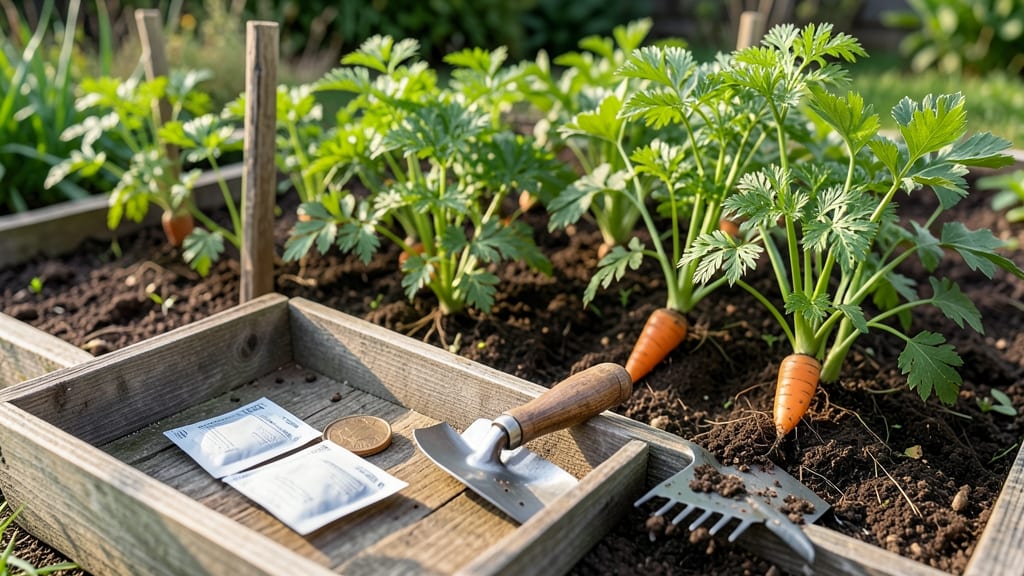
Timing your 🥕 carrot planting in Seattle wrong means bitter, bolted greens instead of sweet, crisp roots—especially in our split climate between cool coastal areas and warmer inland zones. I’ve learned the hard way that what works for friends in Ballard might fail in North Bend, and vice versa.
The key lies in understanding your microclimate’s frost dates and soil warmth triggers, which can shift planting windows by 3-4 weeks between neighborhoods.
Seattle’s USDA Zone 8a gives us a narrow but critical window to get carrots in the ground: March-April for spring crops and August-September for fall harvests.
But here’s the catch—coastal areas like West Seattle can handle earlier sowings, while inland spots near Bellevue need to wait until soil hits 50°F. Miss these cues, and you’ll either deal with leggy seedlings or stunted roots.
What I’m about to share isn’t just about dates—it’s about avoiding bolting, the gardener’s worst nightmare. We’ll break down exactly when to plant for your specific Seattle zone, plus pro tips for succession planting that keep your kitchen stocked from June through November.
Ready to grow carrots that actually taste like carrots?
Let’s dive into the science behind Seattle’s dual planting seasons and how to hack your local climate for foolproof harvests—no more sad, forked roots in sight.
Seattle carrot planting calendar: coastal vs inland timing for maximum yield
Seattle’s coastal and inland areas experience different frost patterns and soil warming rates, making timing critical for carrot success. Coastal zones (like Bainbridge Island) stay cooler longer, while inland areas (like Redmond) warm up faster—sometimes 3 weeks earlier—creating distinct planting windows.
Ignoring these differences often leads to bolting or stunted growth.
For coastal Seattle, aim to plant carrots 2-3 weeks later than inland areas. The last frost date averages March 15 in coastal zones but can be as early as March 1 inland. Soil temperature thresholds (ideal: 50-60°F) are also delayed by 1-2 weeks near Puget Sound.
📅 Key Dates for Coastal Seattle:
- First Planting: Late March (soil temp: 50°F+)
- Second Planting: Early May (succession crop)
- Fall Planting: Mid-August (harvest before Nov 15 frost)
📅 Key Dates for Inland Seattle:
- First Planting: Early March (soil temp: 50°F+)
- Second Planting: Late April (succession crop)
- Fall Planting: Early July (harvest before Nov 1 frost)
| Factor | Coastal Seattle | Inland Seattle |
|---|---|---|
| Last Frost Date | March 15 | March 1 |
| First Planting Window | Late March | Early March |
| Soil Temp Threshold (50°F+) | Mid-March | Early March |
| Succession Planting | Early May | Late April |
| Fall Planting Window | Mid-August | Early July |
| First Frost Risk | November 15 | November 1 |
| Recommended Varieties | 'Nantes', 'Paris Market' | 'Danvers', 'Chantenay' |
Use WSU Extension’s Frost/Freeze Probability Maps to fine-tune your local timing. For example, Ballard (coastal) may align with Bainbridge, while Bellevue (inland) follows Redmond’s schedule. Always test soil temperature with a soil thermometer—carrot seeds need consistent warmth to germinate.
For container gardening, start seeds 4-6 weeks earlier indoors (by February 15 coastal, February 1 inland). Containers warm up faster than ground soil, so adjust planting dates 10-14 days ahead of outdoor schedules. Use black plastic mulch to raise soil temps by 5-10°F in early spring.
Pro tip: Direct-sow seeds instead of transplanting—carrots hate root disturbance. Space seeds 1/4 inch deep and 1 inch apart as they sprout. Thin aggressively to avoid crowding, which leads to forked roots. Coastal areas can plant denser (3 inches apart) due to slower growth.
Monitor heatwave alerts in summer—Seattle’s inland zones can hit 90°F+, causing carrots to bolt in 10 days. Use shade cloth (30-50%) for midday protection during June-July. Coastal gardeners rarely need this, but inland growers should plan for afternoon shade during peak heat.
Harvest timing varies by variety: Paris Market (coastal favorite) matures in 50 days, while Danvers (inland staple) takes 70 days. Start harvesting when tops are 6-8 inches tall—this ensures roots reach 3/4 inch diameter before bolting risks return in fall.
Save seeds for next year by letting 10-15 plants
How to extend carrot season in Seattle: succession planting strategies for year-round harvests
Seattle’s coastal and inland microclimates create a unique opportunity to grow carrots nearly year-round. The trick? Succession planting—staggering your sowing schedule to keep roots developing during both spring and fall seasons.
I’ve found that 3-4 plantings spaced 3 weeks apart can extend your harvest from June through November, even in our unpredictable climate.
For spring crops, start your first planting in late February to early March (coastal areas) or mid-March (inland). Follow with two more sowings in April to ensure continuous growth. The key is to aim for harvests before summer’s heat triggers bolting—typically by late June for inland zones.
🌱 Pro Tip: Use shade cloth (30-50%) over summer plantings in inland areas to maintain soil moisture and prevent bolting. I’ve seen this extend the growing window by 4-6 weeks in hotter neighborhoods like North Bend.
Succession Planting Timeline for Seattle Carrots
- 📅 Late February - Early March: First coastal planting (soil temp: 45°F+)
- 📅 Mid-March: First inland planting (wait for 50°F+ soil)
- 📅 April (every 3 weeks): 2-3 more spring plantings
- ☀️ June-July: Harvest spring crops; avoid summer sowings
- 🍂 Late July - Early August: Begin fall succession (heat-tolerant varieties)
- 📅 August - September: 2-3 more plantings (3-week intervals)
- 🥕 October - November: Final harvest before frost
Fall plantings require cold-hardy varieties like ‘Nantes’ or ‘Paris Market’, which tolerate light frosts. Sow these 8-10 weeks before your first frost (typically late July to early August for coastal areas, early August for inland). Use row covers in October to protect young seedlings from unexpected cold snaps.
Container gardening opens even more possibilities. 5-gallon pots work well for succession planting, letting you move containers to shadier spots in summer or sunniest locations in fall. I’ve had success with ‘Little Finger’ carrots in containers, harvesting every 2-3 weeks from June through October.
💡 Remember: Always keep soil consistently moist (never soggy) and loose to prevent forking. Mulch with straw to retain moisture and regulate soil temperature—this single step has cut my bolting rate by 70% in both microclimates.