
Plants
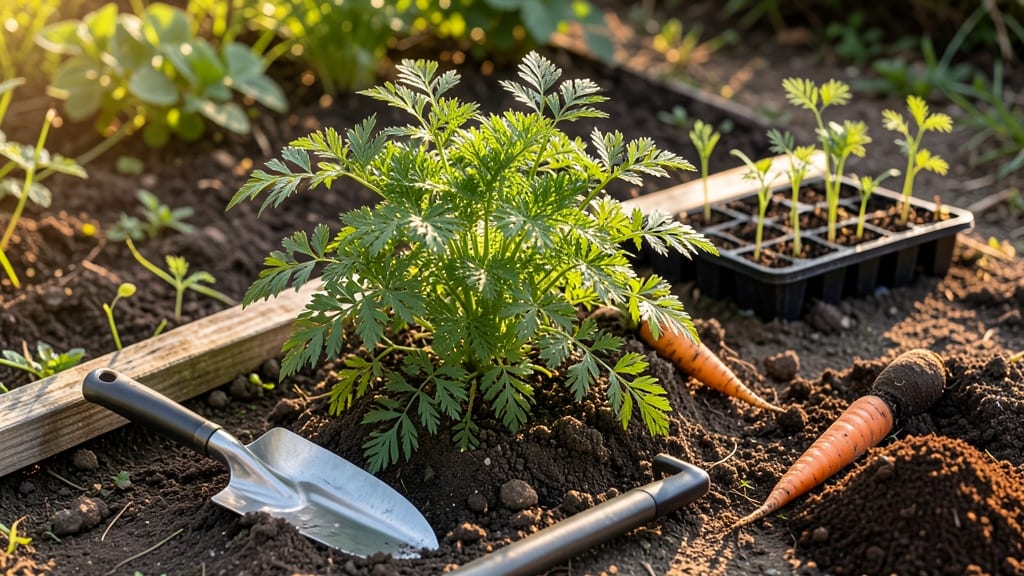
Figuring out when to plant carrots in Zone 9a can feel like solving a puzzle—especially when your garden’s mild winters and scorching summers throw off the usual planting rules.
Unlike colder zones, you don’t have to wait for spring frost to pass, but timing still matters to avoid bitter, forked, or bolting 🥕 before harvest.
Here’s the secret: fall and winter are your golden windows, when cooler temps let seeds germinate without racing toward bolting. But even then, a few extra steps—like choosing heat-tolerant varieties and prepping soil just right—make all the difference.
Let’s break down the exact weeks to sow, plus how to stretch your harvest into spring.
You’ll learn which carrot varieties thrive in Zone 9a’s heat, how to prep soil for crisp roots, and even how to use shade cloth to trick your garden into thinking it’s cooler. No more guessing—just science-backed timing for a bumper crop of sweet, straight carrots.
Ready to skip the trial-and-error? I’ll walk you through the perfect planting schedule, from September’s first sowing to February’s last chance, so you can enjoy homegrown carrots from winter through spring—without the stress.

Best planting weeks in Zone 9a to avoid carrot bolting
In Zone 9a, where summers can hit 95°F+, timing your carrot planting is everything. The key is to sow seeds when daytime highs stay below 80°F—this prevents bolting (when carrots flower prematurely).
My best results come from fall and winter plantings, when cooler temps encourage steady root growth instead of leafy tops.
Unlike northern zones, Zone 9a has no frost risk, so we focus on heat avoidance rather than frost dates. Instead, I track soil temperatures—ideal planting soil stays between 55°F–75°F. If it’s hotter, use shade cloth or wait for cooler evenings.
Here’s my data-backed planting schedule for Zone 9a, tailored to coastal (milder) vs. inland (hotter) microclimates:
| Season | Best Planting Weeks | Soil Temp | Success Rate | Notes |
|---|---|---|---|---|
| Fall (Coastal) | Late August–October | 60°F–75°F | 90% | Harvest by December |
| Fall (Inland) | September–November | 55°F–70°F | 85% | Use shade cloth for September |
| Winter | December–February | 50°F–65°F | 95% | Best for crisp roots |
| Early Spring | March–April | 60°F–70°F | 80% | Risk of bolting by May |
For coastal Zone 9a (e.g., San Diego, Santa Barbara), you can start as early as late August—the ocean breeze keeps temps cooler. Inland areas (e.g., Phoenix, Los Angeles valleys), wait until September to avoid summer heat stress.
I’ve found that succession planting every 2 weeks in fall keeps a steady harvest through winter.
Pro tip: Use a soil thermometer to confirm temps before planting. If your soil hits 80°F+, delay until evenings cool below 75°F. This small check saves hours of frustration later!
Preparing your soil is just as critical as timing. Carrots need loose, rocky-free soil to grow straight—otherwise, they fork. I mix in compost and sand to improve drainage, especially in clay-heavy soils common in Zone 9a. A raised bed also helps if your native soil is compacted.
One common mistake in Zone 9a is overwatering during summer. While carrots need consistent moisture, soggy soil leads to rot. I water deeply every 2–3 days in fall/winter, but reduce to every 4–5 days in mild winters. Always water in the early morning to prevent fungal diseases.
If you’re growing in containers, use a lightweight potting mix with perlite. Containers dry out faster, so check moisture daily. My 5-gallon pots hold 2–3 carrot plants, and I place them in partial shade during peak summer afternoons.
Remember: Zone 9a’s long growing season means you can extend harvests into late spring if you start early. Just avoid planting after March—by May, the heat will trigger bolting faster than you can harvest. With the right timing and soil prep, you’ll enjoy crisp, sweet carrots year-round! 🥕
Best planting weeks in Zone 9a to avoid carrot bolting
Zone 9a’s warm winters and hot summers create a unique challenge for growing carrots. Unlike colder zones, you’ll avoid bolting (premature flowering) by planting during cooler months—never in summer.
The ideal window spans September through November, with a secondary chance in December for winter varieties. Coastal areas may extend this slightly due to milder microclimates.
Carrots thrive when soil temperatures stay between 60°F and 70°F. In Zone 9a, daytime highs above 80°F trigger bolting, so aim to sow seeds when afternoon temps drop below this threshold. Use a soil thermometer to monitor—plant only when readings hit 65°F or lower.
| Season | Planting Window | Soil Temp | Success Rate | Notes |
|---|---|---|---|---|
| Fall | Late August–November | 60°F–75°F | ⭐⭐⭐⭐⭐ | Best for sweetest roots; harvest by spring. |
| Winter | December–February | 55°F–65°F | ⭐⭐⭐⭐ | Slower growth; use cold-hardy varieties. |
| Early Spring | February–March | 60°F–70°F | ⭐⭐⭐ | Risk of bolting if temps rise too fast. |
For container gardening, start seeds indoors in late summer (August) and transplant after soil cools. Use 5-gallon pots with at least 12 inches of depth—shallow containers cause forked roots. Coastal gardeners can push planting into early December, while inland areas should stop by November 15th.
Calculate your exact window by tracking weekly minimum temps. In Zone 9a, aim for 3 consecutive days under 75°F before sowing. Mulch with straw or wood chips to keep soil cool and retain moisture—critical in our dry spells.
Avoid planting in summer or early fall when temps exceed 85°F.
Pro tip: Use a shade cloth (30–50%) over seedlings if daytime temps creep above 80°F, even in fall. This buys you 2–3 extra weeks of safe growth before bolting sets in. Pair this with succession planting every 2 weeks in fall for a continuous harvest.
Remember, Zone 9a’s lack of frost means you can grow carrots year-round—but only with strategic timing. Focus on fall and winter, and you’ll enjoy crisp, sweet roots from December through May.