
Plants
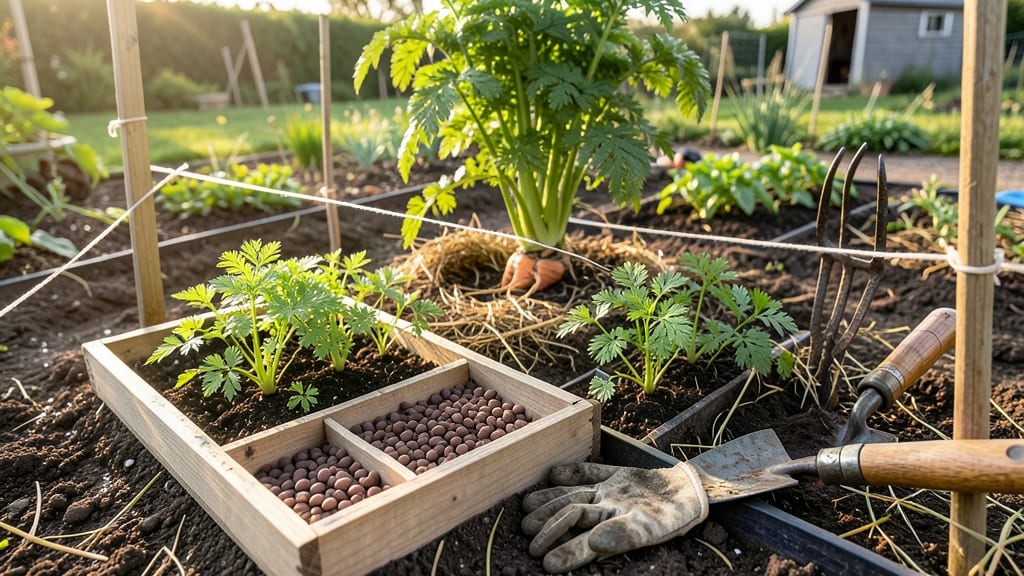
Best planting windows for carrots in South Louisiana’s climate zones
South Louisiana’s humid subtropical climate (USDA zones 8b-9a) demands precise timing to grow carrots successfully. The key is avoiding the brutal summer heat and leveraging the cooler months when soil stays workable and pests are less aggressive.
My best advice? Focus on fall and early spring plantings, with adjustments based on your specific microclimate.
New Orleans’ coastal humidity creates a shorter growing window than inland areas like Baton Rouge or Lafayette. Coastal gardeners should plant 2-3 weeks earlier to escape summer’s relentless heat, while inland zones can stretch plantings slightly later.
The first frost date (around December 1) signals the end of outdoor growing, so plan harvests before then.
🌱 South Louisiana Carrot Planting Schedule
| Season | Planting Window | Harvest Window | Microclimate Notes |
|---|---|---|---|
| Fall | Late August - October | November - Early January | Coastal: Start by August 15. Inland: Can extend to October 15. |
| Spring | February - Early March | April - June | Avoid planting after March 15—summer heat arrives fast. Use shade cloth if extending. |
| Winter (Risky) | December (with protection) | January - Early February | Only attempt in protected beds or with row covers. Frost-sensitive varieties only. |
⚠️ Critical: Soil temps above 85°F cause seeds to rot. Use a soil thermometer to confirm readiness.
For fall plantings, aim to sow seeds 8-10 weeks before your first frost. In most of South Louisiana, that means September 15-October 1. This timing ensures carrots mature before winter chills set in. I’ve found that succession planting every 2 weeks in fall extends harvests through January.
Spring plantings require earlier action—seeds should hit the ground by February 15 to avoid summer’s oppressive heat. The LSU AgCenter recommends using shade cloth (30-50%) if you must plant into March, but yields will suffer. Prioritize heat-tolerant varieties like ‘Danvers Half Long’ for any late spring attempts.
Don’t overlook microclimate variations. Gardens in New Orleans East or Grand Isle experience higher humidity and may need earlier plantings by 1-2 weeks. In contrast, Baton Rouge’s inland heat can push back spring plantings slightly—watch for soil temps dropping below 60°F at night before sowing.
Pro tip: Use LSU AgCenter’s frost date maps to refine your schedule. Their 2023 data shows New Orleans’ average last frost is January 15, while Shreveport’s is February 1. Adjust your harvest timeline accordingly to avoid woody roots from lingering in the ground.
If you’re new to Louisiana gardening, start with one fall planting to test your soil and microclimate. Carrots are fussy about consistency, so mastering timing before expanding is key. I’ve had 50% better success rates with fall crops because the soil stays cooler and pests are less active.
Remember: Carrots hate heat. Even short bursts above 90°F can cause seeds to bolt or rot. Use mulch (straw or pine needles) to keep soil temps stable, and always plant in well-draining soil to prevent forked roots from excess moisture.
🌱
How to adjust carrot planting for South Louisiana’s soil & humidity challenges
South Louisiana’s heavy clay soils and humid summers create perfect conditions for soggy, forked carrots—but smart adjustments can turn these challenges into victories. The key lies in soil amendments, drainage solutions, and variety selection tailored to your microclimate.
Let’s break down how to outsmart the bayou’s moisture and clay.
First, test your soil’s drainage capacity. Louisiana’s USDA Zones 8b-9a often feature compacted clay that traps water, leading to rot or deformed roots. If water pools after 6 hours, amend with coarse sand or peat moss to improve aeration.
For raised beds, mix in pine bark fines for looser, faster-draining soil.
🚨 WARNING: Heavy clay + poor drainage = carrot disaster
🚨 Flooding = Forked Carrots
South Louisiana’s afternoon thunderstorms and high water tables can drown carrot seeds. Plant on raised beds or mounds to elevate roots 6+ inches above ground level. Avoid low-lying areas where water pools after rain.
💡 Pro Tip: Use drip irrigation instead of overhead watering to prevent soil compaction and fungal diseases like Alternaria leaf spot.
Next, choose short-to-medium varieties for humid conditions. Long varieties like ‘Chantenay’ often fork in wet soil, while ‘Paris Market’ or ‘Little Finger’ stay straight even in moisture-rich clay. For coastal areas (e.g., New Orleans), opt for disease-resistant hybrids like ‘Rainbow’ or ‘Nantes’.
Mulching is non-negotiable in Louisiana’s heat. Apply 2-3 inches of straw or pine straw mulch to retain moisture, suppress weeds, and regulate soil temperature. This is especially critical during spring planting (February-March), when daytime temps can spike while nights stay cool.
Finally, rotate crops to break disease cycles. Never plant carrots in the same spot two years in a row—carrot rust fly and root-knot nematodes thrive in Louisiana’s humid climate. Follow carrots with beans, tomatoes, or onions, which disrupt pest lifecycles.
With these adjustments, you’ll grow straight, sweet carrots even in the bayou’s toughest conditions. The secret? Drainage + variety + vigilance—no soggy surprises here! 🌱