
Plants
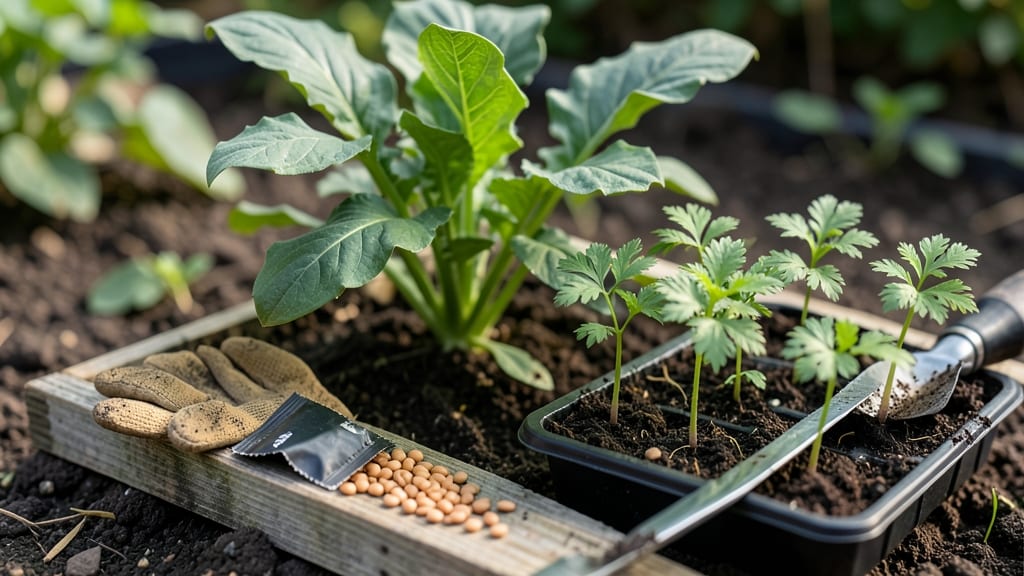
If you're wondering when to plant carrots in Texas, the answer isn't as simple as "spring" - Texas' extreme heat and varied frost dates demand a strategic approach. Plant too early, and your 🥕 seedlings bolt before reaching maturity; too late, and winter frosts turn your harvest into mush.
Here's the secret: Texas gardeners actually plant carrots twice a year - once in late summer for fall harvests, and again in winter for spring crops. The key lies in selecting heat-resistant varieties and timing your plantings around Texas' diverse climate zones from 8a to 10b.
In North Texas (zones 8a-9a), you'll want to get seeds in the ground by September 1st for fall harvests, while South Texas (zones 9b-10b) gardeners can extend planting until November 1st. The right varieties and proper soil prep make all the difference between scraggly roots and sweet, crisp harvests.
I'll show you exactly which months work best for your specific region, plus pro tips to protect your carrots from Texas' infamous heat and pests. Let's grow those perfect 🥕 roots all year long!
Best planting months for carrots in Texas regions (north vs south)
Texas’ climate varies wildly from North Texas (like Dallas) to South Texas (like San Antonio), so planting times must adapt.
In North Texas, cooler winters mean you can start as early as late August for fall harvests, while South Texas gardeners should wait until September to avoid summer heat stress. The key is planting when soil temps stay below 85°F—any hotter, and your seeds will bolt or rot.
For most Texas gardeners, the sweet spot is September-October for fall crops and February-March for spring. This timing aligns with first frost dates: North Texas sees frost by November 15-December 15, while South Texas holds off until December 15-January 15.
Planting too late risks frost damage before roots mature.
Here’s the critical rule: Carrots need 60-80 days to harvest, so calculate backward from your last expected frost. For example, if frost hits February 15 in Central Texas, plant by December 1 for a January harvest. Use this comparison table to match your region’s timeline:
Succession planting is your secret weapon in Texas. Instead of one big harvest, sow new seeds every 2-3 weeks from September to November for a continuous supply until spring.
This works especially well in Central and South Texas, where mild winters allow for year-round growing with proper shade and irrigation.
Soil prep is non-negotiable in Texas. Carrots hate compacted or rocky soil, so amend beds with 2-3 inches of compost and loosen soil to 12 inches deep with a broadfork.
Sandy soils (common in West Texas) need extra organic matter to retain moisture, while clay soils (East Texas) benefit from gypsum to break up particles. Test your soil’s pH (6.0-7.0 ideal)—carrots won’t thrive if it’s too acidic or alkaline.
Watering is where many Texas gardeners fail. Carrots need consistent moisture to grow straight and sweet, but overwatering causes cracking. Aim for 1 inch per week, delivered in the morning to reduce evaporation.
Use drip irrigation or soaker hoses to keep leaves dry—this prevents fungal diseases like Alternaria leaf spot, which thrives in Texas’ humid summers.
Don’t overlook pest control. Carrot rust flies and aphids are relentless in Texas. Protect seedlings with fine mesh row covers until they’re 4 inches tall, then switch to neem oil sprays for aphids.
For rust flies, try yellow sticky traps near your beds. Rotate crops yearly to break pest cycles—never plant carrots (or other umbelliferous veggies) in the same spot two years in a row.
Harvest before the first hard frost, which can turn carrots woody and bitter. In North Texas, that’s usually by February, while South Texas can stretch harvests into March or April.
Pull carrots when tops are 3-4 inches tall and roots are ½-inch thick—use a garden fork to loosen soil before tugging gently. Leave 1 inch of foliage to prevent exposure and extend shelf life.
With these region-specific timelines and Texas-proven tips, you’ll avoid the two biggest mistakes: bolting from heat or frost damage. Next, we’ll dive into the heat-resistant carrot varieties that turn Texas summers from enemy to ally. 🥕
Best planting months for carrots in Texas regions (north vs south)
Texas stretches across three distinct climate zones, each with its own ideal carrot planting window.
In North Texas (USDA Zones 7b-8a), cool seasons run from October through March, while Central Texas (Zones 8a-8b) enjoys extended growing windows until April. South Texas (Zones 9a-10b) can even plant year-round with shade and consistent moisture.
For fall harvests, North Texans should sow seeds by late August, while Central and South Texas gardeners can push planting until mid-September to avoid summer heat stress. Spring plantings begin in February for North Texas and January for warmer regions, ensuring roots mature before summer temperatures spike.
Key regional differences: North Texas faces earlier frost risks (mid-December to January), while South Texas rarely drops below 40°F. This means succession planting every 2-3 weeks works in Central/South Texas but may fail in North Texas’ shorter windows.
| Region | Fall Planting Window | Spring Planting Window | Heat-Resistant Variety |
|---|---|---|---|
| North Texas | Late August - Mid-September | February - Early March | 'Danvers Half Long' |
| Central Texas | Mid-August - Late September | January - Mid-February | 'Nantes' |
| South Texas | July - September (shaded) | December - January | 'Paris Market' |
Always check your local frost dates—North Texas gardeners should aim for 60-70 days to harvest before the first frost (mid-February), while South Texas can stretch this to 80 days thanks to milder winters. Soil temperature matters too: seeds need 50-60°F soil to germinate reliably.
For year-round production, I recommend succession planting every 3 weeks in Central/South Texas. Use shade cloth (30-50%) during summer months to prevent bolting, even with heat-resistant varieties. Mulch heavily with straw to retain moisture and regulate soil temps.
Pro tip: Test your soil before planting—Texas clay soils need amendments like compost to prevent forked roots. Aim for pH 6.0-6.8 and loose, stone-free soil for perfect carrots. 🥕