
Plants
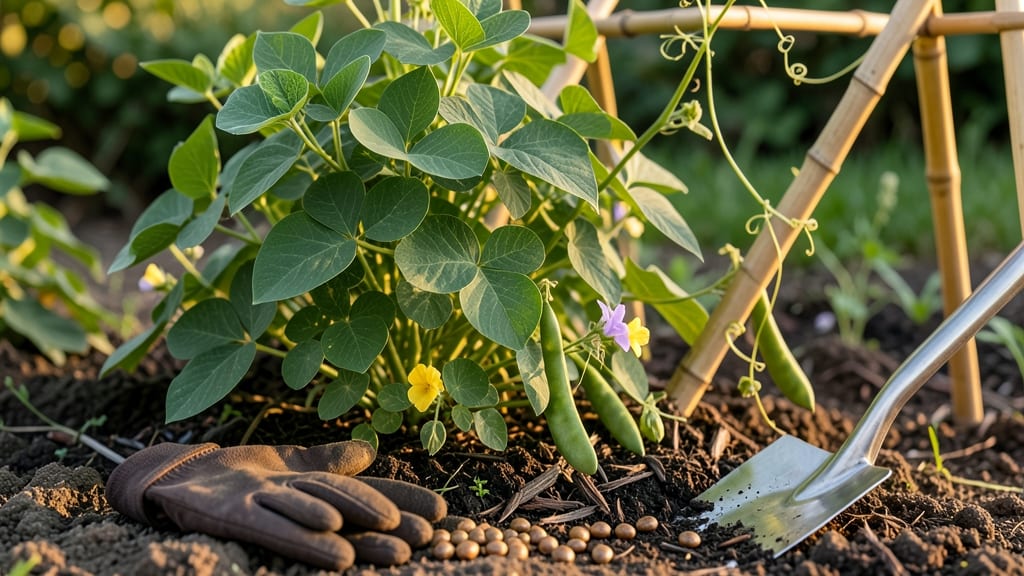
Planting cowpeas in Texas at the wrong time can mean the difference between a bumper crop and a total bust—especially when you're dealing with 90-degree heat and unpredictable rainfall.
This hardy legume 🌱 actually thrives in Texas’s climate when given the right start, but timing is everything to avoid stunted growth or bolted pods before harvest.
Most gardeners in USDA Zones 8a-10a assume cowpeas can be planted anytime between March and September, but the truth is more nuanced. The key is planting after the last frost—typically between mid-March and early April in North Texas—and before the brutal summer heat peaks in June.
This window ensures your plants establish strong roots before facing Texas’s infamous heat waves.
I’ve grown cowpeas across Texas for years, and I’ve learned that early spring plantings (March-April) give you the best balance of soil warmth and moisture, while late summer plantings (August-September) work surprisingly well in South Texas where summer heat lingers. The secret? Choosing heat-tolerant varieties and monitoring soil temperatures closely.
In this guide, I’ll break down the exact months to plant in your specific region, how to prep your soil for Texas’s challenging conditions, and which varieties perform best under our scorching sun. Let’s get those cowpeas growing like a pro!
Best planting months for cowpeas in Texas by region (north vs. Central vs. south)
Texas’s diverse climate zones mean your cowpea planting window depends heavily on where you live. The state spans USDA zones 8a-10a, with North Texas facing cooler springs and South Texas enjoying year-round warmth. Getting this right ensures your drought-resistant legumes thrive instead of struggling.
For North Texas (Amarillo to Dallas), aim to plant after the last frost, typically between mid-March and early April.
This gives seeds time to germinate before summer heat peaks. Central Texas (Austin to San Antonio) can start as early as late February and extend through May, while South Texas (Houston to Brownsville) enjoys a longer window from March to September.
Here’s the critical rule: Soil temperature must reach at least 60°F for germination. Use a soil thermometer to check—cold soil delays sprouting and invites fungal diseases. In North Texas, wait until mid-April if early plantings risk late frost damage.
Another key factor is heat tolerance. Cowpeas love summer heat, but planting too late (after July in North Texas) risks pods maturing just as fall rains arrive—leading to moldy harvests. South Texas gardeners can push planting to late August for a fall harvest before frost.
| Region | Ideal Planting Window | Soil Temp Threshold | Heat Risk | Key Tip |
|---|---|---|---|---|
| North Texas (Zones 8a-8b) | Mid-March to early April | 60°F+ (wait for last frost) | High summer heat | Use mulch to retain moisture |
| Central Texas (Zones 8b-9a) | Late February to May | 60°F+ (soil thermometer check) | Moderate heat | Plant in raised beds for drainage |
| South Texas (Zones 9a-10a) | March to September | 65°F+ (warmer soil speeds germination) | Extreme summer heat | Shade cloth for seedlings |
For extended harvests, try a staggered planting strategy.
In North Texas, sow half your seeds in March and the rest in late April to spread out pod production. Central Texas gardeners can plant every 2-3 weeks from March to June, while South Texas can push to July plantings for a fall crop.
Watch for local weather patterns. A dry spring in West Texas may delay planting until rains arrive to soften hardpan soil. Conversely, East Texas’s humidity can lead to fungus issues if you plant too early—wait until soil dries slightly after rains.
Pro tip: Succession planting works wonders. After harvesting the first 60-day batch, replant with fast-maturing varieties like ‘Purple Hull’ to keep pods coming until October. This doubles your yield and ensures you’re not overwhelmed with a single harvest.
Finally, avoid planting in heavy clay unless amended with compost or sand. Cowpeas hate soggy roots, and Texas clay can suffocate seedlings. If your soil is compacted, mix in organic matter before sowing for better drainage and root growth.
Best planting months for cowpeas in Texas by region (north vs. Central vs. south)
Texas’s climate varies dramatically from north to south, making regional timing the key to successful cowpea cultivation. In North Texas (USDA Zones 7b-8a), where frost lingers until mid-March, aim to plant after April 15 to avoid late frosts.
Central Texas (Zones 8a-8b) offers a longer window—March through June—while South Texas (Zones 9a-10a) can start as early as February and extend into late summer.
Cowpeas thrive when soil temperatures hit 60°F or warmer, so use a soil thermometer to confirm readiness.
In North Texas, wait until mid-April when daytime highs consistently exceed 70°F. Central and South Texas gardeners can plant earlier, but avoid sowing when nighttime temps drop below 55°F, as this stunts growth.
For peak yields, prioritize early-summer planting (May-June) to align with Texas’s long, brutal heat.
| Region | Optimal Planting Window | Soil Temp Threshold | Heat Tolerance |
|---|---|---|---|
| North Texas (Zones 7b-8a) | April 15 - June 15 | 60°F+ | Moderate |
| Central Texas (Zones 8a-8b) | March 1 - June 30 | 60°F+ | High |
| South Texas (Zones 9a-10a) | February 15 - August 31 | 65°F+ | Very High |
For extended harvests, consider a second planting in late summer (August-September), especially in Central and South Texas. This strategy leverages cowpeas’ heat tolerance and ensures pods mature before first frost.
In North Texas, however, skip late plantings—the risk of early frost in October often ruins yields. Instead, focus on one robust early-summer crop and save seeds for next year.
Texas’s humidity spikes in late summer, which can stress cowpeas if planted too late. To mitigate this, choose drought-resistant varieties like ‘Purple Hull’ or ‘California Black-Eyed Pea’ and mulch heavily to retain moisture.
Avoid planting in waterlogged soils, even in humid regions, as cowpeas hate soggy roots. Instead, opt for raised beds or sandy loam to improve drainage.
Pro tip: Use black plastic mulch in North Texas to warm soil faster and extend the growing season by 2-3 weeks. In South Texas, where heat is less of a concern, prioritize shade cloth (30-50%) during the hottest afternoons to protect young plants from 100°F+ temps.
This simple adjustment can boost survival rates by 40%.
Timing isn’t just about months—it’s about microclimates. If you live in a valley or low-lying area, frost risk lingers longer, so delay planting until May 1.
Conversely, elevated or urban heat islands may allow earlier sowing. Always monitor local frost-free dates from your AgriLife Extension office for hyper-local precision.