
Trees
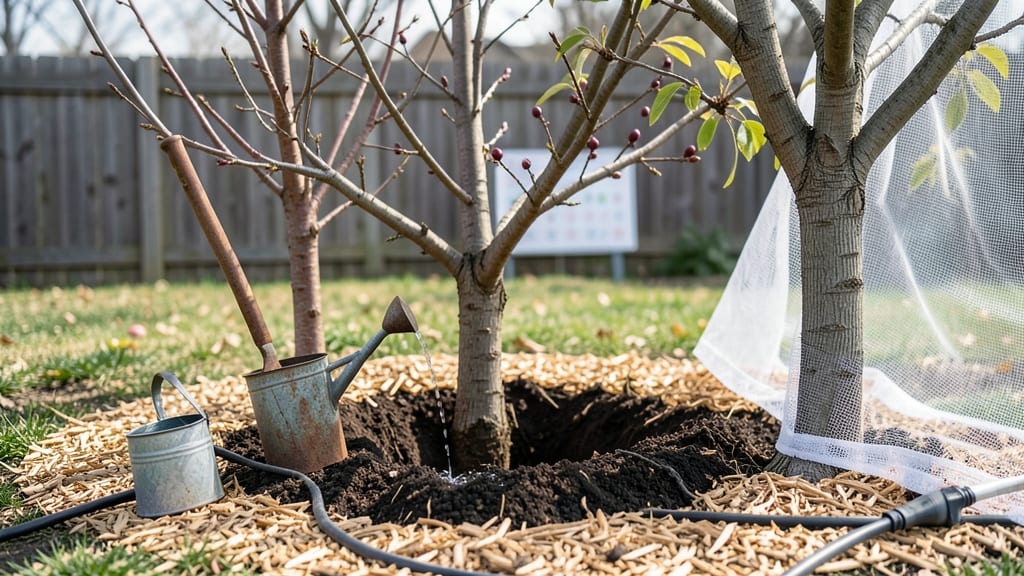
Planting fruit trees in Central Texas at the wrong time can mean the difference between a bountiful harvest and a sad, frost-nipped failure. With USDA Zone 8a-8b weather throwing curveballs like late freezes and scorching summers, timing isn’t just important—it’s everything. The key? Matching your tree’s chill-hour needs to Central Texas’s unpredictable climate, so your 🍎 peaches, plums, and citrus don’t get caught off guard.
Most gardeners assume spring is the only window, but that’s a recipe for disaster here. The real sweet spot? Late winter to early spring—specifically February through March—when soil warms enough to support root growth but before the last frost date sneaks up in mid-March.
This gives your trees a head start without risking transplant shock from summer’s brutal heat.
But not all fruit trees are created equal. A fig or loquat with zero chill hours thrives in Central Texas’s mild winters, while a peach or apple needs 300–1,000 chill hours to set fruit.
We’ll break down exactly which varieties sync with your microclimate—whether you’re in Austin’s urban heat island or Waco’s slightly cooler pockets—so you can plant with confidence.
Ready to avoid the common mistakes and maximize your harvest? Let’s dive into the chill-hour calendar and planting strategies that actually work for Central Texas gardeners—no guesswork, just proven results for your orchard’s future.
Best planting months for Central Texas fruit trees by chill-hour requirements
Central Texas’s USDA Zones 8a-8b create a tricky balance for fruit trees—too little chill, and your peaches won’t fruit; too much heat too soon, and young roots struggle.
The ideal planting window is late February through early April, but your exact timing depends on the tree’s chill-hour needs and your local microclimate. Austin’s urban heat island, for example, can push back frost dates by 1–2 weeks compared to rural Waco.
Most gardeners focus on frost dates, but chill hours (the number of hours below 45°F a tree needs to set fruit) are the real game-changer. A fig tree with 0–200 chill hours thrives in Central Texas’s mild winters, while a peach tree needs 300–600 chill hours.
Planting a high-chill variety in Austin’s warmer pockets? You’ll end up with no fruit—or worse, a tree that blooms too early and gets fried by a late frost.
Here’s how to match your tree’s chill needs to Central Texas’s planting calendar, plus microclimate adjustments for Austin, San Antonio, and Waco. Pro tip: Use the NOAA frost prediction tool to fine-tune your timeline each year.
Why does this matter? Peach trees planted in April often suffer from transplant shock during Central Texas’s 100°F+ summers, while figs planted in January risk frost damage to their tender roots. The 4–6 week buffer before the last frost ensures roots establish before the heat ramps up.
For container-grown trees (like dwarf citrus or patio peaches), extend your window to April–May—just be prepared to water deeply every 3–5 days to offset the smaller root zone.
Containers also let you move trees to shadier spots during heatwaves, giving them a fighting chance in Central Texas’s 100+ degree summers.
One more pro tip: If you’re in Austin’s urban heat island, your last frost date might be 2 weeks later than rural areas. Check local CoCoRaHS weather stations for hyper-local data—your neighbor’s frost date might not match yours!
Now that you’ve got the chill-hour timeline locked down, let’s tackle the weather wildcards in the next section—because even the best-laid plans can go sideways with Central Texas’s unpredictable freezes and droughts.
How to adjust planting timing for Central Texas’s unpredictable weather patterns
Central Texas’s weather is famously unpredictable—one year’s mild winter can turn into the next year’s late freeze, leaving your fruit trees vulnerable if you’re not prepared. The key to success? Flexible timing based on real-time data, not just last year’s frost dates.
Start by tracking soil temperatures (aim for 60°F+) and using NOAA’s frost prediction maps to adjust your schedule annually.
For example, a 2021-style deep freeze in February can delay planting by 4–6 weeks, while a mild winter like 2020 might push your window earlier. Rootstock selection also plays a role: Dwarf varieties (like ‘Patio Peach’) recover faster from transplant shock, while standard-size trees need extra time to establish roots before summer’s heat arrives.
Here’s your step-by-step weather-proofing