
Plants
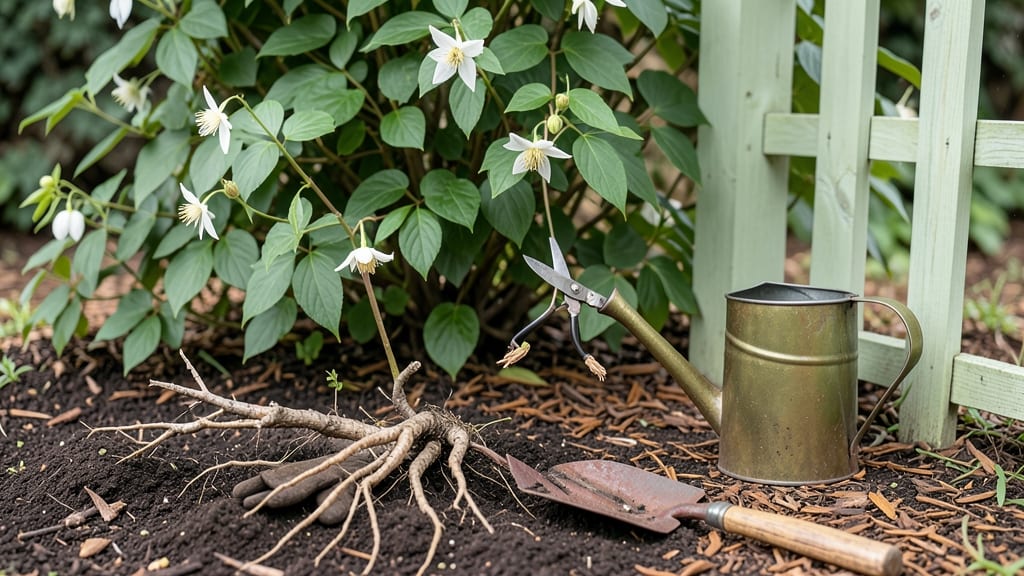
Planting clematis in Texas isn’t just about timing—it’s about survival in a climate that can push even the hardiest plants to their limits. With temperatures soaring and soil conditions varying wildly from North to South Texas, getting the schedule right means the difference between thriving vines and wilting disappointment.
The best window for planting your 🌸 clematis in Texas is actually a two-part strategy: fall (October-November) or early spring (February-March). Fall planting gives roots time to establish before summer’s brutal heat, while spring planting avoids late-season stress.
But here’s the catch—your exact timing depends on whether you’re in Zone 8a or 10b, where frost dates shift dramatically.
You’ll want to avoid the scorching Texas summers entirely—planting in peak heat can fry young roots before they take hold. Instead, focus on cooler months when the ground stays workable and rainfall is more reliable.
I’ll break down the exact months that work for your region, plus the top heat-tolerant varieties that actually flourish in this climate.
Ready to transform your garden with stunning, long-lasting blooms? Let’s dive into the precise planting schedule and care tips that’ll keep your clematis thriving—no matter how hot it gets.
Best months to plant clematis in Texas by region (North vs. central vs. South)
Texas’s diverse climate means clematis planting times vary dramatically from North Texas to South Texas. In Zone 8a (North), frost can linger until mid-December, while Zone 10b (South) rarely sees frost. Your best bet? Fall or early spring planting—just time it right for your region.
For North Texas gardeners, aim for October to November when soil stays warm but nights cool. This gives roots time to establish before winter. Central Texas (Zones 8b-9a) can plant until mid-November, while South Texas (Zones 9b-10b) has a longer window—October through December—thanks to milder winters.
Spring planting works too, but February to early March is critical. Planting too late risks heat stress before roots settle in. In South Texas, early spring planting (January-February) avoids summer’s brutal heat entirely.
Here’s the breakdown by region—pick your zone and follow the ideal window:
Timing matters because clematis roots need 60–90 days to establish before summer’s heat hits. Planting in fall lets roots grow slowly, while spring planting demands consistent moisture to prevent wilting.
One Texas-specific tip: If planting in South Texas, choose shade-tolerant varieties like ‘Jackmanii’ or ‘Nelly Moser’ to handle afternoon sun. In North Texas, mulch heavily to insulate roots from winter temperature swings.
Pro Texas gardeners swear by October planting—it’s the sweet spot for most regions. But if you miss fall, don’t panic: early spring is your second chance, provided you water religiously during establishment.
Remember: Clematis hates soggy roots but also wilts in drought. Texas’s erratic rainfall makes drip irrigation a game-changer for new plants. Set up a soaker hose or self-watering system to keep soil evenly moist without waterlogging.
For container gardening in Texas, plant in late spring (April) after soil warms. Containers dry out faster, so check moisture daily during 100°F+ heat waves. Use well-draining potting mix with perlite to prevent root rot.
Lastly, avoid planting in summer—Texas’s intense heat can shock young roots. If you must, provide afternoon shade with a cloth shade cloth (30–50% shade) until roots establish.
Best months to plant clematis in Texas by region (North vs. central vs. South)
Texas’s diverse climate means clematis planting times vary dramatically from North to South. In North Texas (USDA Zones 7b-8a), where winters can drop below freezing, aim for early spring (February-March) or fall (October-November).
Central Texas (Zones 8a-8b) offers a slightly longer window, while South Texas (Zones 9a-10b) allows year-round planting with minimal frost risk.
Timing is critical—planting too early risks heat stress, while late planting may expose young vines to winter cold snaps. The key is aligning with soil temperatures (ideal: 60-70°F) and avoiding peak summer heat (June-August), which can scorch tender roots.
Visual Element: Regional Planting Windows
| Region | USDA Zone | Best Planting Months | Avoid Planting | Key Consideration |
|---|---|---|---|---|
| North Texas | 7b-8a | February-March October-November |
April-June September |
Frost risk after Nov 15 |
| Central Texas | 8a-8b | February-April September-November |
May-July | Extreme summer heat |
| South Texas | 9a-10b | January-April September-December |
May-August | Humidity + heat stress |
For North Texas gardeners, focus on fall planting (October-November) to establish roots before winter. Central Texas allows a wider spring window (February-April), while South Texas’s mild winters let you plant year-round—just avoid peak summer months (June-August).
Always check your local last frost date (e.g., February 1 in South Texas vs. December 15 in North Texas).
Pro tip: Use mulch (2-3 inches) after planting to retain moisture and regulate soil temperature. In South Texas, opt for shade cloth during summer to protect young vines from intense afternoon sun.
Remember, clematis roots need consistent moisture but hate soggy soil. Amend your soil with compost and organic matter to improve drainage—especially in clay-heavy Texas soils. Planting at the right time sets the stage for vibrant blooms all season long.