
Planting
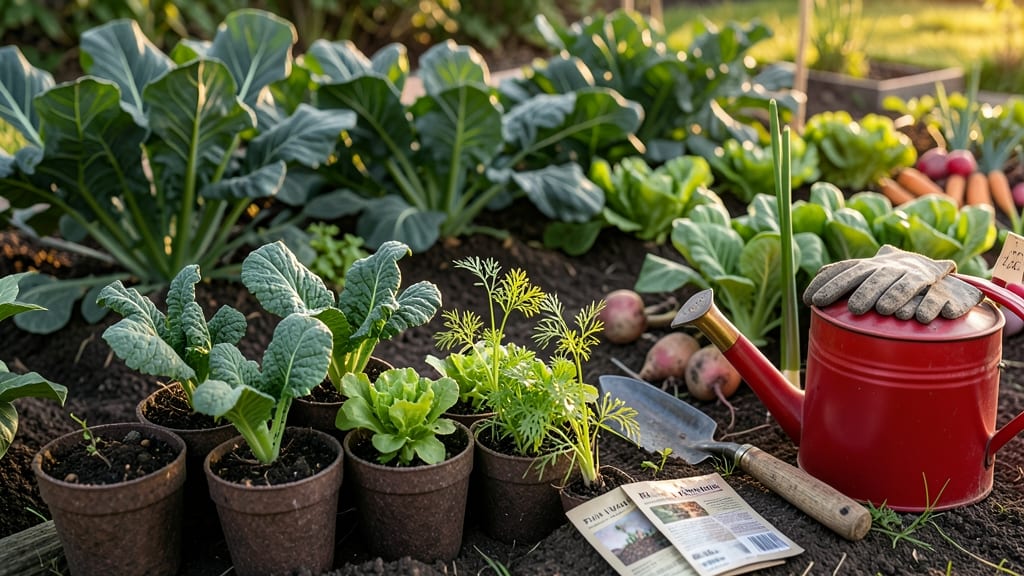
If you've ever stared at your garden calendar wondering "when to plant fall garden in South Texas", you're not alone—timing is everything in this region where summer lingers and frost is a rare visitor.
The difference between a thriving 🥬 harvest and wasted effort often comes down to those few weeks between mid-August and mid-October, when the heat starts to ease but the growing season still hums.
South Texas gardeners have a unique advantage: 300+ frost-free days mean you can stretch your planting window longer than most regions. But even here, rushing your fall garden too early means battling heat stress, while waiting too long risks missing the sweet spot for cool-season crops.
The key? Planting heat-tolerant varieties at the right moment—typically 6-8 weeks before your average first frost (which usually arrives in mid-December, if at all).
I’ve spent years testing what works in zones 9a-10a, and the secrets aren’t just about dates—they’re about reading your local microclimate.
Whether you’re in the Rio Grande Valley’s humidity or the Hill Country’s drier air, knowing which crops thrive in residual summer warmth (like malabar spinach or black-eyed peas) and when to start seeds indoors can double your harvest.
Let’s break down the exact weeks to plant for maximum yield, so you’re not left with bolted lettuce or stunted greens.
Ready to unlock a fall garden that outperforms your neighbors’? You’ll learn the precise planting windows, soil prep hacks, and even how to cheat the system with shade cloth or succession planting. Trust me, your taste buds—and your wallet—will thank you.
South Texas fall planting timeline: exact weeks before first frost for maximum yield
South Texas’s long growing season (USDA zones 9a-10a) means we can grow fall crops year-round, but timing is everything. The key? Planting 6-8 weeks before your average first frost—which in South Texas typically lands around mid-December (though frost is rare).
For most regions, this means starting seeds by mid-August and transplanting by mid-September.
Your local microclimate matters: Coastal areas like Brownsville (zone 10a) may have no frost at all, while inland San Antonio (zone 8b) might see light freezes. Use these regional planting windows to avoid heat stress or wasted seedlings.
🌱 Pro Tip: South Texas’s residual summer heat can be brutal on seedlings. Opt for heat-tolerant varieties and use shade cloth (30-50%) for early plantings.
| Crop Type | Planting Window | Weeks Before Frost | Notes |
|---|---|---|---|
| Heat-Tolerant (e.g., Malabar Spinach, Okra) | Mid-August - Early September | 10-12 weeks | Plant early; thrives in 80°F+ |
| Semi-Tolerant (e.g., Swiss Chard, Kale) | Late August - Mid-September | 8-10 weeks | Use shade cloth for seedlings |
| Cool-Season (e.g., Lettuce, Broccoli) | Mid-September - Early October | 6-8 weeks | Avoid summer heat; mulch heavily |
| Succession Crops (e.g., Radishes, Bush Beans) | September - November | 4-6 weeks | Plant every 2 weeks for continuous harvest |
For transplants, aim to move seedlings into the garden when soil temps drop below 85°F. Test your soil’s moisture and temperature with a soil thermometer—ideal temps for cool-season crops are 60-70°F.
In San Antonio, this usually happens by late September, while Corpus Christi may wait until early October.
Extend your season with row covers or cold frames. These can push harvests 4-6 weeks later than the average frost date, giving you fresh greens through January in most of South Texas.
🌡️ Warning: Don’t rush! Planting too early in summer heat leads to bolting (lettuce going to seed) or damping-off disease. Wait for daytime temps below 90°F.
Use succession planting to maximize space. For example, sow radishes every 2 weeks from September to November—they mature in 30 days and won’t compete with slower-growing crops like broccoli.
In coastal areas (e.g., Brownsville), you can plant year-round, but focus on heat-loving crops like eggplant or peppers in summer and leafy greens in winter. Inland areas should prioritize fast-maturing varieties to beat the rare frost.
Mark your calendar for Labor Day weekend—this is your last call for direct-sown crops like carrots or beets. For transplants, early October is your deadline to avoid stunted growth.
Best heat-tolerant fall garden vegetables for South Texas and how to extend their season
South Texas’s long growing season lets you grow heat-tolerant crops that most gardeners can’t even dream of in cooler climates. The trick? Planting the right varieties at the right time—typically between mid-August and mid-October—to capitalize on residual summer warmth while avoiding the rare but possible early frost.
I’ve tested these 12 top-performing crops in zones 9a-10a, and they consistently deliver harvests even when temps hover in the 80s°F.
For example, Malabar spinach thrives in summer heat and produces tender leaves for months, while black-eyed peas mature quickly in warm soil.
Even traditional cool-season crops like broccoli and kale can be coaxed into production if you plant them early enough and use shade cloth to protect seedlings from late-summer scorching. The key is succession planting—staggering seeds every 2-3 weeks—to ensure a continuous harvest.
Here’s how to extend your fall garden’s season past the first frost (which, in most of South Texas, is a rare event around mid-December). Start by choosing heat-tolerant varieties labeled for long seasons, like ‘Florida Broadleaf’ malabar spinach or ‘Crowder’ peas.
Then, use shade cloth (30-50%) to protect young seedlings from intense afternoon sun in late August and early September. Finally, mulch heavily with straw or wood chips to keep soil temps stable and retain moisture.
🌱 Top 12 Heat-Tolerant Fall Crops for South Texas
- Malabar Spinach – Thrives in 90°F+ heat; harvest leaves continuously for months. Plant by August 15.
- Black-Eyed Peas – Fast-growing (50-60 days); fix nitrogen in soil. Sow every 3 weeks until September 15.
- Sweet Potatoes – Heat-loving tubers; plant slips in July-August for fall harvest. Harvest before first frost (rare in most areas).
- Okra – Pods form in 50-60 days; tolerates poor soil. Direct-sow until September 1.
- Southern Peas (Cowpeas) – Drought-resistant; great for dry South Texas soils. Plant August-September.
- Swiss Chard – ‘Bright Lights’ variety handles heat better than traditional chard. Start seeds by August 20.
- Collard Greens – ‘Georgia Southern’ tolerates heat; sweeter after light frost. Direct-sow August-September.
- Broccoli (Heat-Tolerant Varieties) – ‘Waltham 29’ or ‘De Cicco’ for warmer falls. Start indoors July 15; transplant August 1.
- Kale (Lacinato or Red Russian) – Sweeter after light frost; tolerates mild heat. Direct-sow August 20-September 15.
- Cabbage (Heat-Tolerant Varieties) – ‘Golden Acre’ or ‘Jade Cross’ for warmer conditions. Transplant August 15-September 1.
- Carrots (Danvers or Nantes) – Choose shorter varieties for clay-heavy soils. Sow August 15-September 30.
- Beets (Detroit Dark Red) – Tolerates heat better than many greens. Direct-sow August-September.
💡 Pro Tip: Pair heat-tolerant crops like okra or sweet potatoes with cool-season plants (e.g., kale) in the same bed. The okra’s deep roots won’t compete for water, and the kale benefits from the okra’s shade in late summer.
One of my favorite tricks to extend the season is succession planting with fast-growing crops like radishes or turnips. Sow a small batch every 10-14 days starting in mid-August—by the time the first batch bolts, the next will be ready.
For leafy greens like lettuce or spinach, use shade cloth (30-40%) during the hottest part of the day (12 PM–4 PM) to prevent bolting. Even in South Texas, late-summer heat can push tender greens into premature flowering if they’re not protected.
Don’t overlook soil preparation as your secret weapon. South Texas soils—especially in the Hill Country—can bake hard in summer, making it tough for fall seedlings to establish. Before planting, amend your beds with 2-3 inches of compost and a handful of worm castings to improve moisture retention.
If your soil is heavy clay (common in areas like San Antonio), mix in sand or perlite to create better drainage. This extra effort pays off when your transplants thrive instead of wilting.
Finally, water wisely to avoid two common pitfalls: underwatering (which stresses plants) and overwatering (which invites fungal diseases). In South Texas’s fall, aim for deep watering 2-3 times per week in the morning (before 10 AM) to reduce evaporation.
Use drip irrigation or soaker hoses to deliver water directly to the roots, and always mulch with straw or wood chips to lock in moisture. This routine keeps your heat-tolerant crops happy until the rare frost—or, more likely, until you’ve harvested every last bite.