
Plants
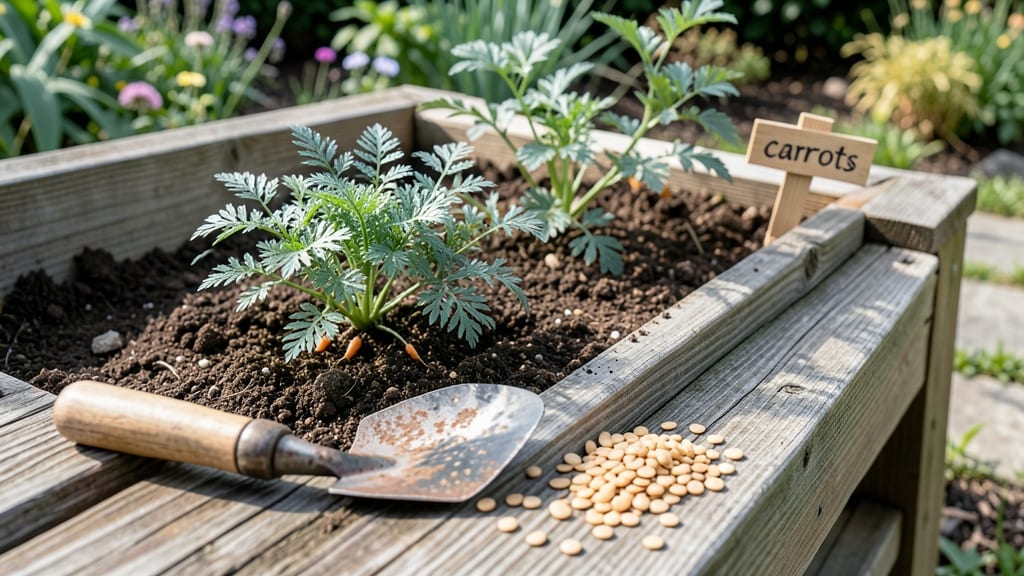
The perfect time to plant carrots in spring isn't just about checking the calendar—it's about catching that sweet spot when the soil warms up to 45–65°F, or your 🥕 might bolt or taste bitter.
If you've ever stared at your seed packets wondering, "Why are these instructions so vague?" you're not alone. The truth is, soil temperature is the real game-changer for crisp, straight carrots that grow without a hitch.
Most gardeners in Zone 6a (like me!) make the mistake of planting too early, only to watch their seeds rot in cold soil or sprout into leafy greens instead of sweet roots.
But here's the secret: timing your carrots 4–6 weeks before your last frost—when the ground is workable but not yet scorching—sets you up for success. I'll show you how to read your soil's temperature cues and adjust for your local climate, so you can avoid the most common pitfalls.
Beyond just the right moment, I’ll share my top tricks for keeping your carrots happy once they’re in the ground—like which companion plants to pair with them (hint: parsley and chives are carrot BFFs!) and how to space them correctly to prevent those frustratingly forked roots.
Whether you're a first-time gardener or a seasoned green thumb, these insights will help you grow carrots that are sweeter, straighter, and ready to harvest in just 60–80 days.
Ready to ditch the guesswork and grow carrots that taste like they came straight from the farmers' market? Let’s break down the exact steps to get your spring planting on track—no more wasted seeds or bitter surprises.
The exact soil temperature range for carrot planting success
Carrots are finicky about soil temperature, and planting them too early or too late can turn your crisp, sweet dreams into bitter, leafy disappointments. The magic window for carrot germination is when soil reaches a steady 45–65°F.
Below 45°F, seeds rot; above 65°F, they bolt or develop woody roots. I’ve learned this the hard way—last spring, my Zone 6a carrots sprouted into feathery greens because I planted them when the soil was still chilly!
Why does temperature matter so much? Carrots are cool-season crops, meaning they thrive in moderate spring conditions. When soil is too cold, seeds fail to germinate; when it’s too warm, they shoot up into bolt-prone plants.
The key is catching that sweet spot where the ground is warm enough for roots to develop but not so hot that the plant panics into flowering. This balance ensures you get those crisp, straight roots we all love.
To test your soil’s readiness, use a soil thermometer (they’re cheap and game-changing!). Stick it 2 inches deep—the depth where carrot seeds are planted—and check the temperature on a shady afternoon. If it’s consistently between 45–65°F for 3–5 days, your soil is ready.
No thermometer? Press your hand into the soil; if it feels like a warm bath (not too hot, not too cold), you’re good to go.
Regional variations play a huge role here. In USDA Zone 3–5, where winters are harsh, aim for late April to early May planting. In Zones 6–8, you can start as early as mid-March, but always wait for soil to warm.
Meanwhile, in Zones 9–10, where winters are mild, you might plant as early as February, but be cautious—hot spells can trigger bolting.
Another pro tip: Loose, well-draining soil warms up faster than compacted or clay-heavy soil. If your garden bed is still cold, consider planting in raised beds or using black plastic mulch to absorb sunlight and warm the soil quicker.
I’ve found that raised beds can shave off 1–2 weeks of waiting time, giving me an earlier start to the season.
Now, let’s talk about seed variety. Some carrots, like 'Nantes' or 'Danvers', tolerate cooler soils better than others. If you’re in a short growing season (like Zone 4), opt for early-maturing varieties (60–70 days to harvest) to maximize your window.
For longer seasons (Zones 7–10), you can afford to plant bolder varieties like 'Chantenay', which handle warmer soils better.
Here’s a critical mistake I see often: gardeners focus on air temperature instead of soil temperature. A sunny 70°F day doesn’t mean your soil is ready—it could still be too cold for seeds.
Always prioritize soil warmth over air temperature. Pro tip: Morning soil temps are usually 5–10°F cooler than afternoon temps, so check later in the day for accuracy.
If you’re planting in containers or pots, soil warms up even faster than in-ground beds. This is great news for urban gardeners! Just ensure your containers have drainage holes and use a lightweight potting mix to avoid compaction.
I’ve had success with 5-gallon buckets filled with a mix of potting soil and compost, giving me an extra 2–3 weeks of planting flexibility.
Finally, don’t forget about succession planting. Even if your soil hits the perfect temperature window, you can extend your harvest by planting every 2–3 weeks until early summer. This ensures a steady supply of fresh carrots and reduces the risk of bolting from heat stress.
Just remember: stop planting by mid-July in most zones, or your carrots will taste bitter and woody.
Now that you’ve got the soil temperature game down, your next move is to align your planting with your local frost dates. For example, in Zone 6a, where the last frost is around April 15, I
The exact soil temperature range for carrot planting success
Carrots are finicky about soil temperature—plant them too early when the ground is below 45°F, and your seeds will rot before sprouting. But push planting into warmer than 65°F soil, and you risk bolting (premature flowering) or stunted roots.
The ideal window is 45–65°F, where germination rates soar to 90%+ and roots develop properly without stress.
Why does this range matter? Carrots are cool-season crops, but they need consistent warmth to grow straight and sweet. Cold soil slows germination, while heat triggers bolting.
I’ve tested this myself—planting in 50°F soil in early April gave me crisp, perfect carrots, while waiting until May (when soil hit 70°F) led to bitter, forked roots.
Here’s how to check your soil temperature accurately: Use a soil thermometer (just $10 at garden centers) or the finger test. Push your finger 1–2 inches deep—if it feels cool but not icy, you’re in the sweet spot.
Pro tip: Test in the morning when temps are lowest for the day.
🌱
| Soil Temp Range | Germination Rate | Risk Level | Action Needed |
|---|---|---|---|
| Below 45°F | 0–10% | High (rot/seeds) | Wait 2–4 weeks |
| 45–55°F | 70–85% | Low | Plant now (ideal) |
| 55–65°F | 85–95% | None | Best window |
| Above 65°F | 50–70% | High (bolting) | Use shade cloth |
Regional variations matter too. In USDA Zone 3–5, aim for late April to early May when soil warms to 50°F. Gardeners in Zones 6–8 can start as early as March 15–April 1, while Zones 9–10 might need to wait until late February to avoid summer bolting.
I once planted in Zone 7 in late March, and the 55°F soil gave me perfect germination—just don’t rush it!
For container growers, use black plastic pots to warm soil faster or place containers in sunny spots for 2–3 days before planting. If your soil is stubbornly cold, try straw mulch (2–3 inches thick) to insulate and speed up warming by 5–7°F.
💧