
Plants
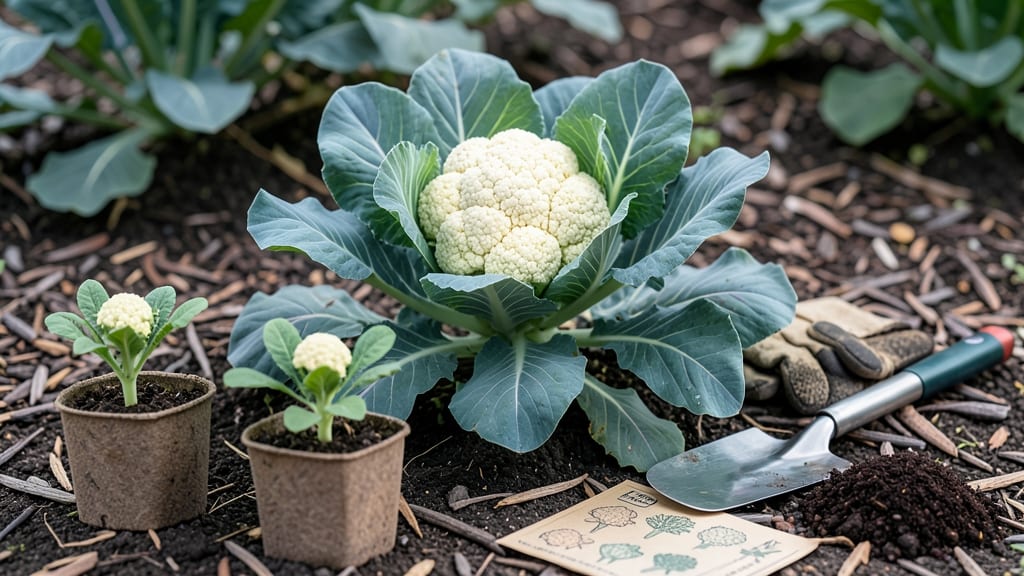
Timing your cauliflower planting in North Carolina isn’t just about throwing seeds in the dirt—it’s a delicate dance with chill hours, frost dates, and summer heat that can make or break your harvest. 🥬 With NC’s diverse climate zones (from coastal to mountain regions), planting too early risks frost damage, while waiting too long means bolting heads before you even get a bite.
Most gardeners in USDA zones 7a-8a (the majority of NC) know spring and fall are the sweet spots, but the exact window depends on your variety’s chill-hour needs and local frost patterns.
Coastal areas like Wilmington can start as early as February, while higher elevations near Asheville might wait until April to avoid late frosts that can kill tender seedlings.
What you’ll discover here is how to map your planting schedule to NC’s 150-200 frost-free days, plus pro tips for extending the season—like using row covers or choosing heat-tolerant varieties.
Whether you’re a first-timer or a seasoned gardener, nailing these dates means the difference between a bountiful harvest and a sad, wilted disappointment.
Let’s break down the exact months to plant, how to prep your soil, and what to watch for when those heads start forming. Your crisp, homegrown cauliflower is closer than you think!
NC cauliflower planting dates by chill-hour requirements
Cauliflower thrives in North Carolina’s cooler months, but timing is everything—especially with chill-hour requirements that vary by variety. Most NC gardeners grow 600–1,000 chill-hour varieties, which need cold exposure to form heads.
Plant too early, and frost will damage seedlings; too late, and summer heat will cause bolting (flowering without heads).
North Carolina’s climate zones—from the Coastal Plain to the Mountains—create 10–14 days of frost-free window variation. Coastal areas (like Wilmington) can start 4–6 weeks earlier than the Piedmont (Raleigh) or western regions (Asheville). Always check your USDA Zone (7a–8a) for precise timing.
Here’s how chill-hour needs break down for NC gardeners:
| Variety Type | Chill-Hour Needs | Best NC Planting Window | Frost Risk | Notes |
|---|---|---|---|---|
| Early Varieties | 600–700 hours | Feb 15–March 1 (Coastal) / March 1–15 (Piedmont) | High (late frosts common) | Fastest heads; harvest April–May. |
| Mid-Season | 700–900 hours | March 1–15 (Coastal) / March 15–31 (Piedmont) | Moderate (avoid April 15+) | Balanced yield; harvest May–June. |
| Late Varieties | 900–1,000+ hours | Aug 15–Sept 1 (fall planting) | Low (harvest before Nov 1) | Best for fall; needs shade cloth in summer. |
For Coastal NC (Zones 8a–8b), aim for February 15–March 15 plantings. The Piedmont (Zones 7a–7b) should wait until March 1–April 1 to avoid late frosts. Mountain regions (Zone 6b) can start as late as March 15–April 1 due to cooler temperatures.
Pro tip: Use frost cloth if planting early. Cover seedlings when nighttime temps drop below 40°F. This buys you 2–3 extra weeks of planting flexibility in unpredictable NC springs.
Fall plantings in August–September work best for late varieties. Seedlings need 6–8 weeks to mature before the first frost (typically November 1 in most of NC). In Zone 7a, extend the season with row covers to push harvests into early December.
Always monitor NC State Climate Office frost predictions. A 32°F night can kill young plants, while 85°F+ days cause bolting. Balance is key—aim for 50–70°F daytime temps during head formation.
🌱
Step-by-step NC planting calendar: from seed to harvest
Now that you’ve picked your cauliflower variety and chill-hour match, let’s map out the exact steps to get from seed to harvest in North Carolina.
The key is balancing seedling development, soil prep, and frost protection—especially in NC’s unpredictable climate where a 32°F night can turn your garden into an icebox overnight.
Most NC gardeners start with indoor seedlings 4–6 weeks before the last frost date (March 15 in most areas). This gives you a head start on the 60–90-day growing season most varieties need. If you’re direct sowing, wait until soil temps hit 45°F+ and nighttime lows stay above 40°F.
-
4–6 Weeks Before Last Frost
Start indoor seeds in trays with sterile seedling mix. Use grow lights (14–16 hours/day) to prevent leggy seedlings. Keep soil 60–65°F for germination (typically 7–14 days). -
3 Weeks Before Transplant
Hardening off seedlings: Move trays outside for 2–3 hours/day, gradually increasing to full sun. This toughens stems for NC’s windy springs. Avoid transplanting hardened-off seedlings if nights dip below 50°F. -
2 Weeks Before Last Frost
Prep garden beds: Till soil to 8–12 inches deep, mix in compost (2–3 inches), and add lime if soil pH is below 6.5. Cauliflower loves well-draining, fertile soil with organic matter. Space plants 18–24 inches apart in rows 30 inches apart. -
At Last Frost Date
Transplant seedlings into garden, burying stems up to the first true leaves. Water deeply to settle soil and remove trays. Use frost cloth if nights are 35°F or colder. Mulch with straw or grass clippings to retain moisture and suppress weeds. -
4–6 Weeks After Transplant
Side-dress with fertilizer (10-10-10) when plants are 6 inches tall. Keep soil moist but not soggy—cauliflower heads form best with consistent watering. In NC’s heat waves (common by June), provide afternoon shade to prevent bolting. -
8–10 Weeks After Transplant
Harvest time! Check for firm, compact heads (6–8 inches wide). Cut heads with a sharp knife, leaving 1–2 inches of stem. For fall plantings, use row covers to extend harvest until first frost (typically November 1 in NC).
For fall plantings (August–September), follow the same steps but adjust for shorter daylight. Seedlings need 6–8 weeks to mature before frost, so aim to transplant by August 15 in most of NC. Use shade cloth (30–50%) if daytime temps exceed 85°F—this prevents bolting and ensures head formation.
Pro tip: Mark your NC State Climate Office frost dates and set reminders for fertilizing (every 4–6 weeks) and weeding (cauliflower hates competition). A little planning now means crisp, homegrown heads all season long!
🌿