
Plants
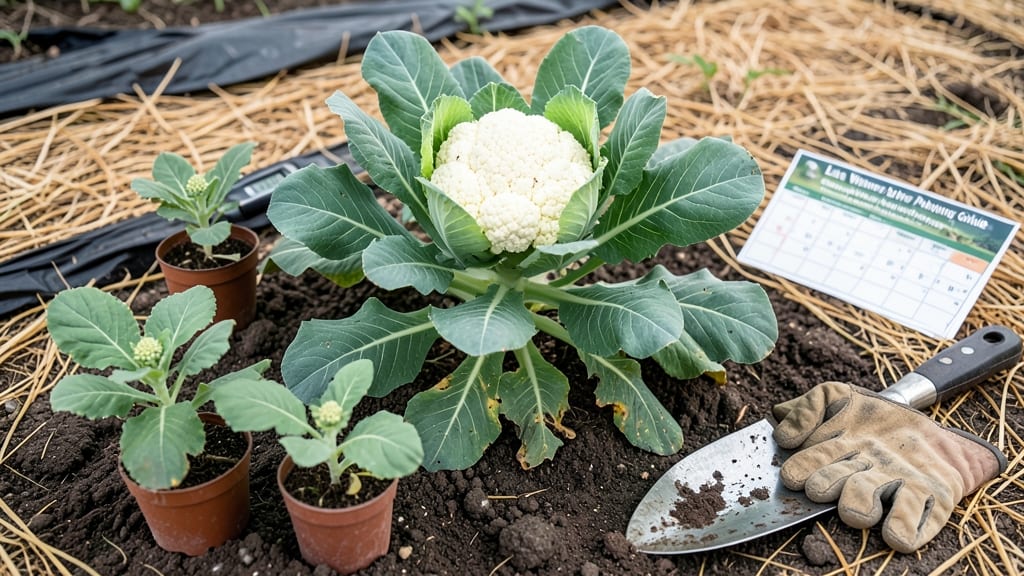
If you’ve ever stared at your Ohio garden calendar wondering when to plant cauliflower—only to second-guess yourself by May—you’re not alone. This cool-weather crop thrives on precision, and getting the timing wrong can mean bolting heads or stunted growth.
The key lies in Ohio’s USDA Zone 6a climate, where frost dates shift from mid-March to early April for spring plantings, or late July for fall’s second chance.
Here’s the secret: Cold-hardy varieties like ‘Snowball Y Improved’ can handle Ohio’s unpredictable springs, but they need to hit the soil 4-6 weeks before your last frost. That means starting seeds indoors by mid-February or sowing directly in early April.
For fall, aim for late July to give heads time to mature before October’s first frost.
I’ll break down the exact frost-free windows for your region, whether to direct-sow or start indoors, and how to adjust for early or late varieties. No more guessing—just a foolproof schedule tailored to Ohio’s short growing season.
Ready to grow plump, creamy 🥬 heads without the trial and error? Let’s dive into the timing that’ll make your harvest shine.
Ohio cauliflower planting calendar: frost dates & optimal windows
Ohio’s USDA Zone 6a climate means frost dates vary dramatically—from April 15 in the southwest to May 1 in the northeast. For spring cauliflower, this translates to a 4-6 week window before your local last frost date.
Miss it, and you risk stunted plants or bolting (flowering too early).
For fall harvests, aim to plant 10-12 weeks before the first frost (typically late July to early August). This gives cauliflower enough time to mature before Ohio’s October 20 first frost. Summer heat can stress plants, so choose heat-tolerant varieties like ‘Cheddar’ for late-season success.
Here’s the critical timeline for Ohio gardeners: Mid-March to early April for spring starts (with row covers), late July to early August for fall planting. Direct sowing is best after soil reaches 40°F, but seed-starting indoors 4-6 weeks earlier
gives you a head start. Northern Ohio (e.g., Cleveland, Toledo) should err on the earlier side, while southern Ohio (e.g., Cincinnati, Columbus) can plant 1-2 weeks later. Always check local frost data from sources like the Old Farmer’s Almanac or NOAA.
🌱
📅 Ohio Cauliflower Planting Summary
| Stage | Action | Timeframe |
|---|---|---|
| Spring Start Indoors | Sow seeds | Mid-March |
| Transplant Outdoors | Hardening off | Late April |
| Direct Sow Outdoors | Plant seeds | Early April |
| Fall Start Indoors | Sow seeds | Early July |
| Transplant Outdoors | Hardening off | Late July |
| Direct Sow Outdoors | Plant seeds | Mid-July |
💡 Pro Tip: Use row covers to extend spring planting by 2-3 weeks.
Ohio’s short growing season demands precision. Spring-planted cauliflower should be ready to harvest by June-July, while fall varieties aim for October-November. Succession planting every 2 weeks in spring (or 3 weeks in fall) ensures a continuous harvest.
For summer planting (June), opt for heat-tolerant varieties like ‘Purple of Sicily’ or ‘Romanesco.’ These handle Ohio’s humid summers better than traditional white cauliflower. Mulch heavily to retain moisture and water deeply in the morning to prevent fungal diseases.
If you’re seed-starting indoors, use grow lights for 14-16 hours of light daily to prevent leggy seedlings. Transplant outdoors only after hardening off for 7-10 days to acclimate to Ohio’s variable spring temps.
🌿
Remember: Soil temperature matters just as much as air temperature. Cauliflower seeds won’t germinate below 40°F, so wait until soil warms to 50°F for direct sowing. Use a soil thermometer to check—especially in northern Ohio, where late frosts can linger.
For urban gardeners with limited space, container-growing works well. Choose 5-gallon pots for each plant and use a lightweight potting mix with compost. Containers warm faster in spring, so plant 1-2 weeks after your ground-based neighbors.
📋
Best cold-hardy cauliflower varieties for Ohio’s short season
Ohio’s USDA Zone 6a climate demands cauliflower varieties that can handle cool springs and early falls—without bolting in summer heat. The right choice means the difference between plump, creamy heads and bitter, loose curds.
I’ve grown these top 5 varieties in Ohio gardens, and they consistently deliver reliable harvests even with our unpredictable weather.
For spring plantings, focus on early-maturing varieties like ‘Snowball Y Improved’ (70 days) that can reach harvest before summer’s heat sets in. For fall, opt for heat-tolerant types like ‘Cheddar’ (80 days) that thrive when nights cool down.
Each variety has unique strengths—whether it’s disease resistance, compact growth, or vibrant color.
Here’s how to match varieties to Ohio’s 165-day frost-free window, plus their key traits for your garden:
‘Snowball Y Improved’ is my go-to for Ohio springs—it matures in just 70 days, giving you a harvest before summer’s heat stresses the plants. The compact heads (6-8 inches) are perfect for small gardens, and it handles Ohio’s variable spring temps better than most varieties.
I’ve even seen it survive light frosts when planted early with row covers.
For fall plantings, ‘Cheddar’ stands out with its yellow-orange curds and 80-day maturity. This variety thrives in Ohio’s cooler fall weather and adds a pop of color to your harvest. The heads are slightly smaller than ‘Snowball’ but pack a sweeter flavor when grown in fall’s mild temperatures.
Pair it with ‘Purple of Sicily’ for a visual and culinary contrast—its deep purple heads turn green when cooked, adding drama to your dishes.
If you’re short on space, ‘Graffiti’ and ‘White Rabbit’ are dwarf varieties that mature in 60-65 days. They’re ideal for container gardening or interplanting with other crops.
I’ve grown ‘White Rabbit’ in 5-gallon pots on my patio, and it produced multiple small heads over a 3-week period—perfect for snacking or stir-fries.
Pro tip: Always check seed packets for days to maturity and choose varieties that fit your specific frost-free window. In Ohio’s Zone 6a, aim for varieties that mature in 70-85 days for spring and 60-75 days for fall to avoid summer bolting.
And don’t overlook seed treatments—many Ohio nurseries offer fungus-resistant varieties that thrive in our humid climate.