
Plants
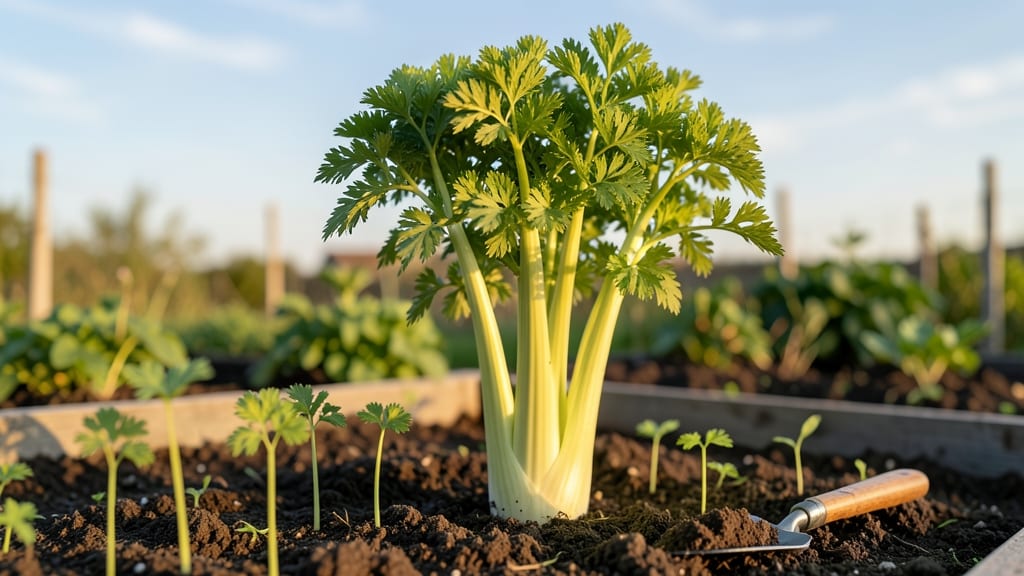
Timing your celery planting in Florida isn’t just about the calendar—it’s about beating the heat and avoiding the humidity that can turn your crisp stalks into sad, stringy leftovers. With the right window, you can grow bold, flavorful 🥬 year-round, even in zones 9a-11 where summers are relentless.
Most gardeners swear by fall planting—September to October—when temperatures dip just enough to let celery thrive without bolting. But here’s the catch: coastal areas like Miami can push that window later than inland spots like Orlando, where the heat lingers longer.
I’ll break down the exact timing for your region so you don’t waste seeds on a failed harvest.
You’ll also discover how to stretch your growing season with shade tricks and watering hacks that keep your celery happy even when Florida’s sun feels like a blowtorch. Whether you’re a first-timer or a seasoned gardener, these practical tips will ensure your stalks stay crisp and your patience pays off.
Ready to grow celery that’s the star of your table? Let’s dive into the perfect planting schedule and avoid the mistakes that turn your garden into a science experiment gone wrong.
Optimal celery planting times in Florida by region
Florida’s climate offers two prime windows for growing crisp celery: fall and spring. However, the best timing varies dramatically between coastal and inland regions due to humidity and temperature differences.
In South Florida (Miami, Fort Lauderdale), you can even push planting into late summer with shade protection, while North Florida (Gainesville, Tallahassee) faces stricter heat limits.
Celery thrives in cool weather (60–75°F) and struggles when temperatures exceed 85°F. This means coastal areas—where humidity lingers—can extend growing seasons slightly longer than inland zones. For example, Tampa may support August sowing, while Orlando should wait until September to avoid heat stress.
Here’s how to align your planting with Florida’s microclimates for maximum yield and crisp stalks:
| Region | Best Planting Window | Avoid Planting | Key Consideration |
|---|---|---|---|
| South Florida (Miami, Naples) | Late August–September (fall) or February–March (spring) | June–July (peak heat) | Humidity helps, but shade cloth is critical in summer. |
| Central Florida (Orlando, Tampa) | September–October (fall) or February (spring) | April–May (bolting risk) | Soil warms faster; use mulch to retain moisture. |
| North Florida (Gainesville, Tallahassee) | October (fall) or February–March (spring) | May–September (heat stress) | Cooler nights extend growing season; watch for light frosts in January. |
For coastal Florida, aim to transplant seedlings by mid-September to harvest before December’s cooler temps. Inland gardeners should prioritize October planting to avoid spring bolting (when celery flowers prematurely). Even a 2-week delay can mean the difference between crisp stalks and bitter, woody celery.
Pro tip: Use a soil thermometer to monitor temps—celery roots struggle when soil exceeds 75°F. In South Florida, this might mean planting shaded beds in August, while North Florida gardeners can push November sowings under row covers for winter harvests.
If you’re in Zone 10a or 11 (e.g., Key West), you can experiment with year-round celery using drip irrigation and 50% shade cloth. However, spring-planted crops (February–March) still yield the sweetest, crispest stalks across all regions.
Remember: Celery is a cool-season crop, so avoid summer planting unless you’re using hydroponics or container gardening with climate control. Even then, heat tolerance is limited—expect bolting or bitterness if temps climb past 85°F for more than 3 days.
For succession planting, stagger transplants every 2–3 weeks from September to November to ensure a continuous harvest through January. This works especially well in Central Florida, where December temps rarely drop below 50°F.
🥬
Optimal celery planting times in Florida by region
Florida’s microclimates create a puzzle for celery growers. Coastal areas like Miami and Tampa enjoy milder winters and longer growing seasons, while inland cities such as Orlando and Gainesville face hotter summers that force earlier planting.
The key is understanding your USDA zone (9a-11) and how it affects your planting window.
For most of Florida, fall planting (September-October) is ideal—this gives celery time to mature before winter chills arrive. However, coastal gardeners can push planting into November thanks to warmer ocean breezes. Inland gardeners, meanwhile, should start by mid-August to avoid summer heat stress.
🌱 Florida Celery Planting Comparison
| Region | Best Planting Window | Harvest Window | Key Consideration |
|---|---|---|---|
| Coastal (Miami, Tampa) | September 15 - November 1 | December - February | Warmer winters extend growing season |
| Inland (Orlando, Gainesville) | August 1 - September 15 | October - December | Hotter summers require earlier start |
| Panhandle (Pensacola, Tallahassee) | September 1 - October 15 | November - January | Cooler nights but possible light frost |
📍 Pro Tip: Check your local frost dates—even in Florida, rare cold snaps can occur in northern zones.
Spring planting is possible but riskier. Aim for February-March in coastal areas, but inland gardeners should wait until late March to avoid summer bolting. Celery planted in spring often struggles with Florida’s 90°F+ temperatures, leading to bitter, stringy stalks.
If you’re in South Florida (zones 10b-11), you can attempt year-round planting with shade protection. However, summer heat will still cause stress, so focus on fall and winter crops for the best results.
For North Florida (zones 8a-9a), prioritize fall planting and use row covers to protect from occasional frost.
Remember: Consistent moisture is critical during Florida’s dry spells. Even with perfect timing, celery wilts quickly in sandy soil. I recommend mulching with straw to retain moisture and keep roots cool—especially important in inland heat.