
How To
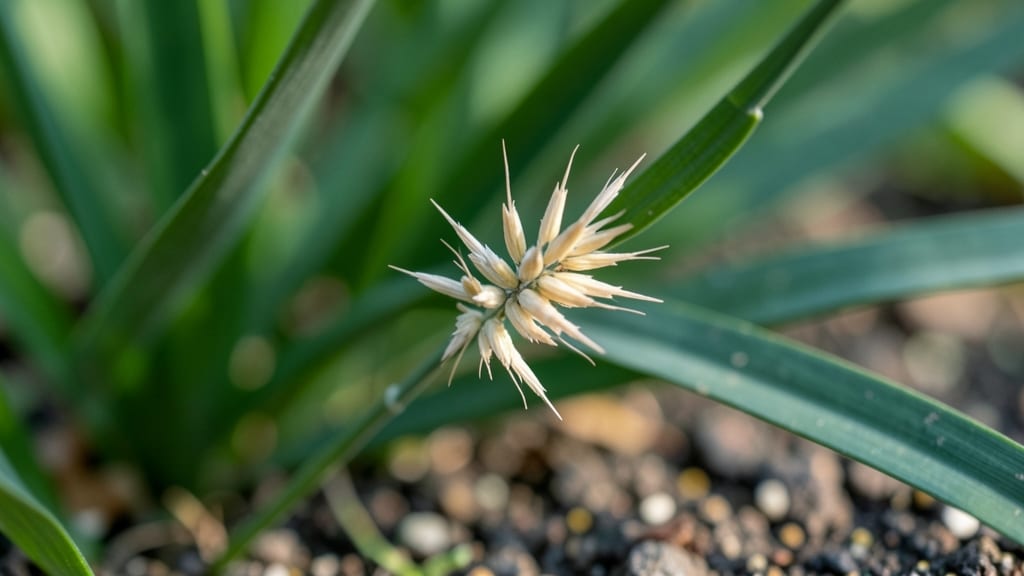
That moment when your Florida lawn finally stops looking like a patchwork quilt of dirt and weeds starts with knowing when to plant the centipede grass seed in Florida—and timing is everything in the Sunshine State's humid climate. 🌱 Plant too early, and frost (yes, even Florida gets it!) or sudden downpours can derail your dreams of a lush green carpet.
Get it right, though, and you're looking at a fast-growing, low-maintenance lawn that thrives without the fuss.
Most Florida gardeners swear by late spring as their golden window—think April through May—when soil temperatures hit that sweet spot of 65-75°F and the rain showers become a helping hand rather than a hindrance.
But here's the kicker: your exact timing depends on whether you're battling North Florida's cooler pockets or South Florida's relentless summer heat.
Let me break down the exact months that work best for your specific corner of the state, plus how to prep your soil like a pro for fast establishment.
Why does this matter so much? Because centipede grass isn't just another lawn grass—it's the game-changer for Florida homeowners who want to cut back on water bills and mowing sessions. But skip the ideal window, and you'll be fighting weeds, fungal issues, or seed that just won't germinate.
I'll walk you through how to read your local climate cues, adjust for hurricane season risks, and even salvage a late start if Mother Nature throws you a curveball.
Ready to stop guessing and start growing? Let's dive into the step-by-step guide that'll have your centipede grass thriving in no time—because in Florida, the difference between a good lawn and a great one often comes down to planting it at the perfect moment.
Best months to plant centipede grass seed in Florida (with temperature guidelines)
Centipede grass (Eremochloa ophiuroides) thrives in Florida’s heat but needs precise timing to establish strong roots. The ideal window is late spring (April–May) or early fall (September–October), when soil temperatures hover between 65–75°F. This balance avoids heat stress in summer and cool-season weeds in winter.
North Florida’s cooler microclimates (Zones 8a–9a) may extend your window slightly earlier—March–April—while South Florida (Zones 10a–11) can push to May–June with extra shade protection. Always check soil temps using a thermometer; seeds won’t germinate below 60°F.
Hurricane season (June–November) adds risk, so September plantings should prioritize well-drained soil to prevent waterlogging. If you miss these windows, don’t panic—overseeding in early fall can still work with shade cloth to reduce stress.
🌱
For North Florida, aim for April 15–May 15 to align with warming soils and reduced frost risk. In South Florida, stretch to May 1–June 15 but use 30% shade cloth to protect seedlings from intense afternoon sun.
Test soil moisture daily—centipede grass seeds need consistent dampness (not soggy) to germinate in 7–14 days.
Pro tip: Plant when mornings are 70°F+ and evenings stay above 60°F. Use a soil thermometer at 2-inch depth to confirm readiness. If temps drop below 55°F, germination stalls, and seeds may rot.
🌡️
Adjust for microclimates: Coastal areas (like Miami) can plant 1–2 weeks later than inland cities (like Tallahassee). Elevation matters too—higher areas (e.g., Gainesville) may need earlier plantings to escape summer’s 90°F+ soils. Always monitor local weather forecasts for extended dry spells or storms.
After planting, keep seeds lightly covered (1/8 inch) with fine sand or compost. Water gently twice daily (morning/evening) until sprouts appear. Avoid overwatering, which causes fungal diseases like brown patch—a common issue in Florida’s humidity.
☀️
Best months to plant centipede grass seed in Florida (with temperature guidelines)
Centipede grass thrives in Florida’s climate, but timing your planting is everything. The ideal window spans April through May or September through October, when soil temperatures sit between 65–75°F—perfect for germination. This aligns with Florida’s rainfall patterns, giving seeds consistent moisture without drowning them.
North Florida’s cooler pockets (like Jacksonville or Gainesville) may lean toward late April to early May, while South Florida (Miami, Fort Lauderdale) can push into June if you’re planting a shade-tolerant variety.
However, hurricane season (June–November) adds risk—so avoid planting in August or September unless you’re prepared for potential delays.
Soil temperature is your best guide: use a soil thermometer to confirm it’s above 65°F before sowing. Cold soil slows germination, while heatwaves above 85°F can stress young seedlings. Florida’s sandy loam drains quickly, so pre-watering is key to keep seeds moist.
| Region | Best Planting Window | Soil Temp | Rainfall Risk |
|---|---|---|---|
| North Florida | Late April–Early May | 65–75°F | Low (spring showers) |
| Central Florida | April–May or Sept–Oct | 65–75°F | Moderate (hurricane season) |
| South Florida | May–June (shade varieties) | 70–80°F | High (summer storms) |
For fast establishment, aim for April–May when days are warm but nights stay cool enough to prevent seed stress. If you miss this window, September is your backup—just be ready to protect seedlings from late-summer heat with light shade cloth if needed.
Avoid planting in July or August, when Florida’s intense humidity and heatwaves can lead to fungal issues like brown patch disease.
Pro tip: Check your local Cooperative Extension Service for microclimate alerts—some inland areas (like Ocala) may have cooler pockets that benefit from an earlier start. And always test your soil pH (aim for 5.0–5.5) before planting, as centipede grass struggles in alkaline conditions.
Once you’ve locked in your planting window, the next step is soil prep—and Florida’s sandy soil needs special attention to retain moisture and nutrients. We’ll cover that in the next section, including how to amend your soil for optimal germination without breaking the bank. 🌱