
Plants
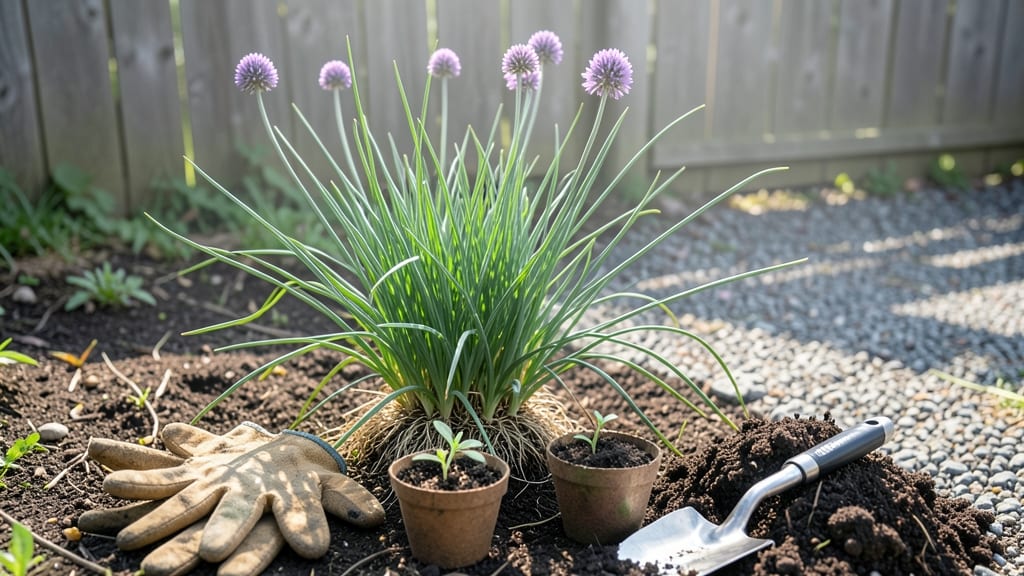
Knowing when to plant chives in Zone 7 can mean the difference between lush, flavorful regrowth and struggling plants that barely survive.
As a hardy perennial, chives 🌿 actually reward patience—planting them too early risks frost damage, while waiting too long might stunt their growth before summer’s harvest season kicks in.
In Zone 7, where last frosts typically hover around April 15, timing is everything. The sweet spot for spring planting is 4-6 weeks before your local frost date, giving chives enough time to establish roots before warmer weather arrives.
But here’s the kicker: fall planting works too, with 6-8 weeks before the first frost (usually mid-October) offering a second chance to extend your harvest.
Why does this matter? Because chives thrive on consistency—whether it’s soil temperature, sunlight, or water. Get the timing right, and you’ll enjoy spring-to-fall harvests with minimal effort. Miss the window, and you might end up with weak stems or delayed growth, leaving you scrambling for fresh herbs later.
Let’s break down the exact weeks to plant, soil prep secrets, and post-planting care to ensure your chives grow bold and vibrant—no guesswork required. Ready to transform your garden into a chive powerhouse?

Optimal chives planting weeks before last frost in Zone 7
Chives are hardy perennials that thrive in Zone 7's mild winters, but precise planting timing ensures robust regrowth. Since Zone 7's last frost typically falls between March 15 and March 31, your planting window opens 4-6 weeks earlier—around February 15 to February 25.
This timing allows roots to establish before late spring frosts, which can still occur in April.
For fall planting, aim for 6-8 weeks before your first frost (usually September 15 to October 1 in Zone 7). Fall-planted chives often produce earlier spring harvests because they establish roots before winter dormancy.
However, avoid planting after October 15, as young plants may not survive Zone 7's unpredictable late frosts.
To pinpoint your exact planting dates, check your local frost dates using the USDA Plant Hardiness Zone Map or your nearest Cooperative Extension Service. For example, if your last frost is April 1, plant chives by February 28 for spring growth.
Adjust by ±1 week based on your microclimate.
🌱 Chives Planting Timeline for Zone 7
| Season | Planting Window | Key Consideration |
|---|---|---|
| Spring | February 15–February 25 | Soil temp ≥40°F; avoid late frosts |
| Spring | March 1–March 15 (backup) | Use frost cloth if nights dip below 28°F |
| Fall | September 15–October 1 | 6–8 weeks before first frost |
| Fall | Avoid after October 15 | Risk of winterkill in Zone 7 |
Chives prefer well-draining soil with a pH of 6.0–7.0. Before planting, amend your soil with compost or aged manure to improve fertility. Test your soil’s temperature—chives won’t sprout until it reaches at least 40°F.
Use a soil thermometer to monitor progress, especially in Zone 7’s cooler microclimates like higher elevations.
For container planting, use pots with drainage holes and fill them with a mix of potting soil and perlite. Containers warm up faster in spring, so you can plant 2–3 weeks earlier than in-ground. Just ensure the pot stays above freezing at night during early spring.
If you’re starting chives from seeds, sow them indoors 8–10 weeks before your last frost (around January 15 in Zone 7). Transplant seedlings outdoors after all danger of frost has passed, typically by April 15.
Harden off seedlings by placing them outdoors for 2–3 hours daily starting 2 weeks before transplanting.
Zone 7 gardeners often ask whether chives need winter protection. While established chives tolerate Zone 7’s winters, newly planted fall chives may benefit from a 2–3 inch layer of mulch (straw or shredded leaves) to insulate roots. Remove mulch in early spring to prevent soil compaction.
Pro tip: Mark your chives’ planting date on a garden calendar. This helps track harvest readiness—chives typically reach maturity in 60–75 days after planting. In Zone 7, this means early spring harvests from February-planted chives and fall harvests from September-planted varieties.
Remember, chives are perennial in Zone 7, meaning they’ll return year after year if planted correctly. With the right timing, you’ll enjoy fresh chives for salads, soups, and garnishes from spring through fall—and even winter harvests in mild Zone 7 winters.
Optimal chives planting weeks before last frost in Zone 7
Zone 7 gardeners enjoy a longer growing season for chives, but timing remains critical. The last average frost date in most of Zone 7 falls between March 15-31, meaning your ideal planting window opens 4-6 weeks before that date.
For most locations, this translates to late February to early March for spring planting.
Chives are hardy perennials that can handle light frost, but soil temperatures below 40°F slow germination. Use a soil thermometer to confirm your soil has warmed to at least 45°F before planting seeds or transplants. This typically happens 2-3 weeks after your last frost date.
| Planting Stage | Zone 7 Timeline | Soil Temp | Action |
|---|---|---|---|
| Spring Planting | Late Feb - Early Mar | 45°F+ | Direct sow seeds ¼" deep |
| Transplant Window | Mid-Mar - Early Apr | 50°F+ | Move hardened-off starts |
| Fall Planting | Late Aug - Early Sep | 55°F+ | 6-8 weeks before first frost |
| Harvest Ready | 60-75 days after planting | N/A | Cut leaves at 4-6" |
For fall planting, aim for 6-8 weeks before your first frost (typically October 15 in Zone 7). This gives chives time to establish roots before winter dormancy. September 1-15 is your best window, with soil temperatures still warm enough for root growth.
Pro tip: Use local frost date calculators like the Almanac's Frost Calculator to pinpoint your exact dates. Even a 2-week difference can mean the difference between vigorous regrowth and stunted plants. In Zone 7, late April frosts are common, so have row covers ready!
Chives planted at the right time will reward you with continuous harvests from early spring through fall. The key is consistent soil warmth—never plant when nights dip below 35°F, even if days are warm. Your first harvest can begin as early as 60 days after planting!