
Trees
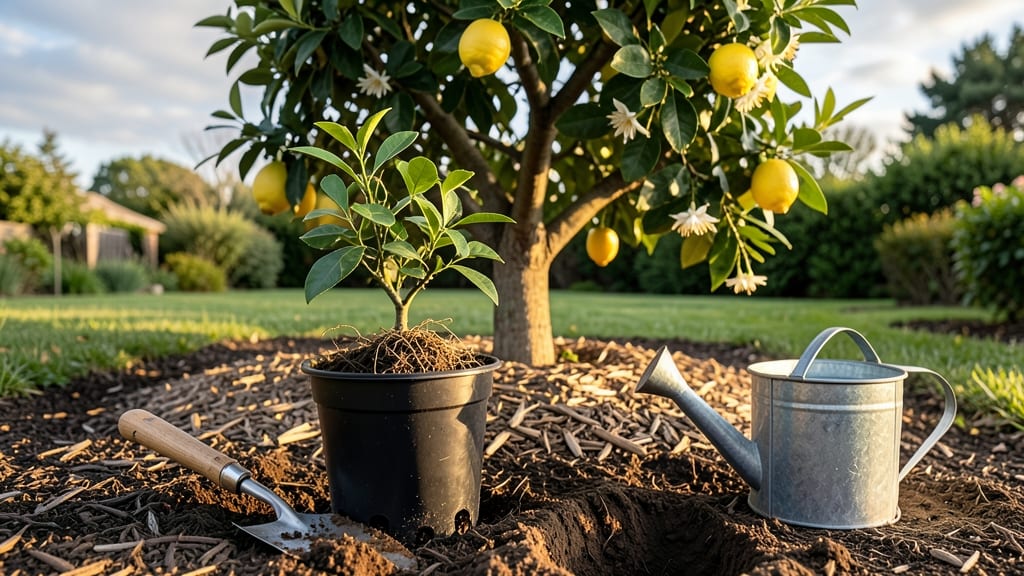
Planting a citrus tree 🍊 in Arizona might seem straightforward, but timing it wrong could mean the difference between a thriving orchard and a sad, frost-nipped experiment.
The key isn't just about avoiding Arizona's rare frost—it's about syncing your planting with the desert's unique microclimates, where high elevations can still see chilly surprises even in winter.
Most Arizona gardeners know citrus trees love the heat, but what they don’t realize is that the coolest months—November through March—are actually the best time to plant. Why? Because these dormant-season months give young roots time to establish before the scorching summer sun hits.
Plus, you’ll avoid the October-November frost risk that sneaks into higher elevations like Flagstaff.
I’ve helped countless Arizona gardeners navigate this tricky balance, and the secret lies in understanding your specific zone—whether you’re in frost-free Phoenix or the slightly chillier Prescott area. Container planting can also buy you flexibility, letting you move trees to sheltered spots if cold snaps threaten.
Let’s break down exactly when and how to plant for success in your corner of the Grand Canyon State.
Ready to grow a citrus tree that thrives year-round? You’ll learn the exact months to plant based on your elevation, how to prep your soil for Arizona’s dry climate, and even which varieties handle the heat best. Let’s get those roots in the ground the right way.
Arizona’s best planting windows for citrus trees by microclimate zone
Arizona’s diverse climate means citrus trees thrive in different windows depending on elevation. The Low Desert (Phoenix area) has 365 frost-free days, while the High Desert (Flagstaff) sees occasional 20°F dips.
Timing matters—plant too early, and summer heat stresses young roots; too late, and cold snaps damage tender growth.
For Phoenix and Tucson, the ideal window is November through March, when soil temps stay 60°F+ and afternoon heat eases. In Prescott or Sedona, shift planting to late February through April to avoid October-November frost risks.
High-elevation areas like Flagstaff should wait until May for bare-root trees only.
Here’s how each zone breaks down for optimal citrus planting:
In the Low Desert, November is prime—soil stays warm, and daytime highs average 75°F, reducing transplant shock. For Meyer lemons or calamondins, I’ve seen nursery stock thrive when planted in early December, provided they’re acclimated to Arizona heat first.
Mid Desert growers should avoid October entirely—even grapefruits (the hardiest citrus) can suffer leaf scorch from 28°F nights. Instead, wait for Prescott’s last frost date (typically March 15) and plant cold-hardy varieties like Satsuma mandarins or trifoliate orange rootstocks.
High Desert planters face the toughest challenge: Flagstaff’s 20°F winters rule out most citrus. Only dwarf varieties in 15+ gallon containers survive, planted in late May after soil warms to 50°F.
I’ve had success with Calamondin oranges in greenhouses during winter, but outdoor planting requires heavy mulching and windbreaks.
Pro tip: Use the National Weather Service’s frost-free date calculator (link in resources) to pinpoint your exact window. For container growers, move pots indoors or under row covers if frost threatens—even in the Low Desert, January cold snaps can drop temps to 32°F.
After planting, mulch heavily with wood chips to retain moisture and protect roots from temperature swings. In Phoenix, I’ve seen 30% higher survival rates with 4-inch mulch rings around young trees. Pair this with drip irrigation to avoid surface evaporation in Arizona’s dry air.
Finally, avoid summer planting—June–September heat stresses trees, and container roots dry out in 100°F+ temps. If you must plant in summer, use shade cloth for the first 30 days and water twice daily until roots establish.
🌱
How to time your planting for maximum citrus tree survival in Arizona’s unpredictable climate
Arizona’s microclimates create a tricky balance—while Phoenix rarely sees frost, Prescott and Flagstaff can drop below 28°F overnight. The key to survival? Planting when your tree can establish roots before winter chill hits. For most of Arizona, this means November through March, but high-desert areas need earlier action.
Your last frost date isn’t just about cold—it’s about soil temperature. Citrus roots thrive when soil stays above 60°F. In Phoenix, soil warms quickly after February 15, but in Prescott, wait until March 15 to ensure roots aren’t shocked by late frosts.
Use a soil thermometer to confirm—planting too early in cool soil stresses young trees.
🌱 Pro Tip: If you’re in a high-risk zone (e.g., near Flagstaff or Sedona), consider container planting. Pots let you move trees indoors or under cover during unpredictable cold snaps. Just ensure containers have drainage holes and use well-draining soil mixes to prevent root rot.
While most of Arizona escapes frost, elevations above 4,000 feet can see light freezes as early as October 15. Planting citrus in September or early October risks root damage before the tree establishes. Even in Phoenix, heat stress from summer planting can shock roots, slowing growth for months.
For bare-root trees (sold without soil), plant immediately after purchase—their roots dry out within 24 hours. If you can’t plant right away, helicopter roots (the fan-like roots at the base) should be kept moist with damp burlap.
For potted citrus, wait until you see new growth—a sign roots have adjusted to their container.
Timing also depends on your citrus variety. Meyer lemons and calamondins handle cooler temps better than grapefruits or oranges, so they can tolerate slightly later plantings. If you’re unsure, ask your nursery for cold-hardiness ratings—some varieties survive 25°F, while others need 30°F+.
After planting, mulch heavily (4–6 inches of wood chips) to insulate roots and retain moisture. In high-desert areas, add a frost cloth or burlap wrap around the trunk for the first two winters.
Water deeply once a week (more in summer) to encourage deep root growth, which makes trees resilient to Arizona’s temperature swings.