
Plants
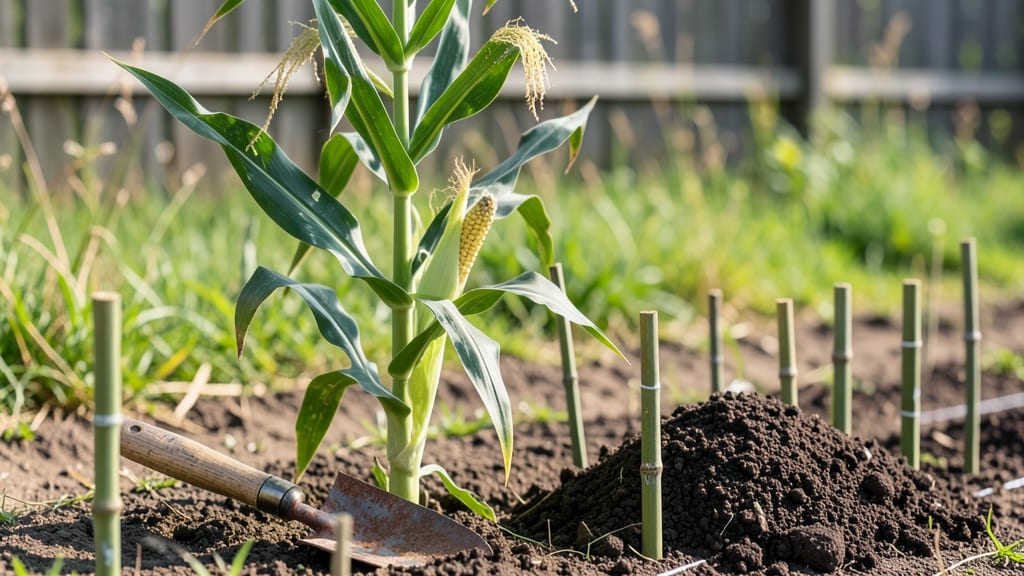
Timing your 🌽 corn planting in Idaho wrong could mean the difference between a thriving crop and a total flop—especially when you're dealing with the state's dramatic elevation shifts from the Snake River Plain to the rugged Sawtooths.
If you've ever wondered why some Idaho gardeners pull off lush cornfields while others struggle, it's all about understanding your local microclimate. The right planting window depends on whether you're in Boise's heat pockets or McCall's cooler high-altitude zones, where frost can linger well into May.
I've cracked the code on Idaho-specific planting strategies that account for soil warmth, frost risks, and even irrigation challenges. You'll learn exactly when to get those seeds in the ground—whether you're a valley farmer or a mountain gardener—to maximize your harvest before fall's first chill.
From soil temperature checks to variety selection for short seasons, here's your no-nonsense guide to planting corn that actually thrives in Idaho's unpredictable growing conditions. Let's get those kernels popping when they should!
Idaho corn planting zones: when to start by elevation and region
Idaho’s diverse elevations and microclimates make planting corn a balancing act. In the Treasure Valley (Boise, Meridian), where USDA zones 6-7 dominate, corn thrives with early spring plantings, while high-altitude areas like McCall (zone 5) demand later starts to avoid frost.
Understanding your local frost dates is critical—Boise’s average last frost is May 15, but McCall’s can linger until June 10.
Corn needs soil temperatures of at least 50°F (10°C) to germinate, a threshold reached 2-4 weeks earlier in lowland areas than in mountainous regions. For example, Twin Falls (zone 6) can plant in late April, while Sun Valley (zone 4) should wait until mid-May.
Use a soil thermometer to confirm readiness—cold soil delays germination and invites rot.
Here’s how Idaho’s regions break down for corn planting:
| Region | USDA Zone | Avg. Last Frost | Planting Window | Key Adjustment |
|---|---|---|---|---|
| Treasure Valley (Boise, Meridian) | 6-7 | May 10-15 | Late April - Early May | Use black plastic mulch to warm soil faster. |
| Magic Valley (Twin Falls, Burley) | 6 | May 5-10 | Late April - Early May | Monitor for late frosts—cover seedlings if needed. |
| Northern Idaho (Coeur d’Alene, Sandpoint) | 5-6 | May 20-25 | Mid-May - Early June | Choose early-maturing varieties (60-70 days). |
| High-Altitude (McCall, Sun Valley) | 4-5 | June 1-10 | Late May - June | Extend season with row covers or greenhouses. |
| Palouse (Moscow, Pullman) | 6 | May 15-20 | Early May - Mid-May | Dry soil? Irrigate before planting to retain moisture. |
If you’re in zone 6 or lower, aim to plant corn 2 weeks after your average last frost date. For example, in Boise, that’s around May 1-5.
In higher elevations, delay planting until soil temperatures consistently stay above 55°F (13°C)—a soil thermometer is your best friend here. Pro tip: Plant fast-maturing varieties (like ‘Golden Bantam’) in cooler zones to ensure harvest before the first frost in September-October.
Corn also benefits from warm nights, so avoid planting too early—even if frost risk is low. In McCall, for instance, May plantings can still face 30°F (1°C) nighttime temps, which stunt growth.
Wait until June 1 or use row covers for early starts. For Boise gardeners, late April is ideal, but if nights dip below 50°F (10°C), protect seedlings with frost cloth.
One mistake I see often? Planting corn too late in the season, leaving no room for maturity. In Twin Falls, for example, planting after May 20 risks corn not reaching full size before the first frost (usually October 15). Use a corn
How to adjust corn planting for Idaho’s unpredictable weather patterns
Idaho’s weather can throw curveballs—one day it’s 70°F sunshine, the next, snow flurries in May. For corn, which thrives on warmth, these swings demand smart adjustments.
I’ve planted corn in both the Boise Valley and high-desert areas near McCall, and I’ve learned that flexibility is key to survival.
Your first line of defense is soil temperature. Corn seeds need soil at least 50°F (10°C) to sprout reliably.
In low-elevation areas like Twin Falls, this usually happens by mid-April, but in mountainous regions, wait until late May or early June—even then, a late frost can still sneak in.
Here’s my go-to strategy for unpredictable Idaho weather: plant staggered rows 1-2 weeks apart. This way, if one batch gets nipped by frost or drought, the others will compensate. For high-altitude gardens, consider using black plastic mulch to warm the soil faster and protect young seedlings from cold snaps.
Late Frost Risk
Idaho’s high deserts (e.g., Sawtooth Mountains) can see frost until June 10. Use frost cloth or plant near south-facing fences/walls to create microclimates that trap heat.
If you’re in a drought-prone area like the Snake River Plain, prioritize drought-tolerant varieties (we’ll cover those next!) and water deeply 2-3 times per week once seedlings emerge. My trick? Install a drip irrigation system on a timer to keep moisture consistent without wasting water.
For high-altitude gardens above 5,000 feet, extend your season with row covers or cold frames. I’ve seen gardeners in Stanley and Donnelly push their harvest window by 3-4 weeks using these methods. Just remove covers when plants reach 12 inches tall to avoid overheating.
Finally, keep an eye on the 10-day forecast. If a cold snap is predicted after planting, rush to cover seedlings with burlap sacks or frost blankets.
In my McCall garden, this saved an entire row of Golden Bantam corn from a May frost—a $20 blanket kept me from losing a $50 seed packet!