
Plants
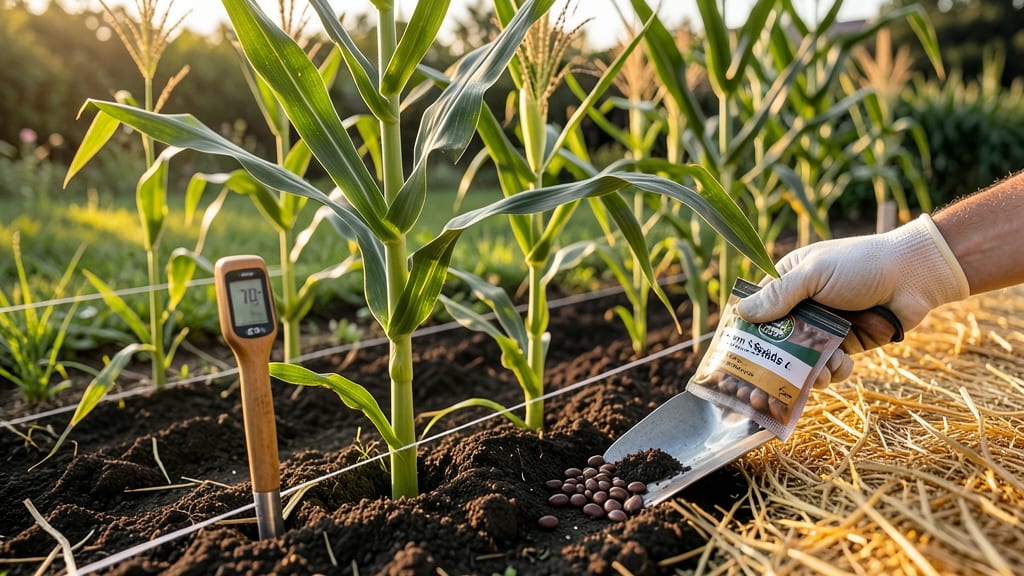
Timing your 🌽 corn planting in West Virginia isn’t just about the calendar—it’s about beating frost, warming soil, and giving those stalks the perfect head start. Plant too early, and a late frost could turn your hard work into sad, wilted husks.
Too late, and you might miss the sweet spot for a full harvest before summer’s heat sets in.
Most West Virginia gardeners in Zone 6a should aim for mid-April to early May, but the real secret lies in waiting until the soil hits at least 60°F—not just the air. This small detail makes all the difference between thriving plants and struggling ones.
I’ll walk you through exactly how to time it right, so you can avoid the most common mistakes and enjoy ears of corn straight from your garden.
You’ll also discover how to work with West Virginia’s unpredictable weather, from using row covers to picking the best varieties for your microclimate. Whether you’re a first-time gardener or a seasoned pro, these tips will help you grow corn that’s taller, sweeter, and more productive than ever before.
Let’s dive into the exact planting windows, soil prep, and variety choices that’ll set you up for success—so you can enjoy fresh corn on the cob from late July right through October. Your future harvest starts with the right timing, and I’ve got the details you need.
West Virginia corn planting dates by Zone 7a/7b: frost-free guidelines
West Virginia’s Zone 7a (cooler) and Zone 7b (warmer) have distinct planting windows for corn, with last frost dates typically falling between April 15–May 1.
In Zone 7a, where frosts linger longer, aim for mid-April to late April planting, while Zone 7b gardeners can start slightly earlier in late March to early April for early-maturing varieties.
Corn seeds won’t germinate until soil reaches 50°F+, but ideal planting occurs when soil hits 60°F+ for faster growth. Use a soil thermometer to confirm—cold soil delays germination and invites rot. In West Virginia, direct sowing is preferred over transplanting, as corn has delicate roots that don’t transplant well.
Here’s how the planting windows break down by zone, including key thresholds to watch:
| Zone | Last Frost Date | Optimal Planting Window | Soil Temp Threshold | Variety Recommendation |
|---|---|---|---|---|
| 7a (Cooler) | April 15–May 1 | Mid-April to late April | 60°F+ | Early-maturing (85–100 days) |
| 7b (Warmer) | April 1–April 15 | Late March to early April | 55°F+ (minimum) | Medium-maturing (100–110 days) |
For Zone 7a, prioritize early-maturing varieties like ‘Silver Queen’ (85 days) or ‘Early Sunglow’ (90 days) to avoid frost damage. In Zone 7b, you can stretch to medium-maturing types like ‘Golden Bantam’ (100 days) or ‘Peaches and Cream’ (110 days).
Always check seed packets for days to maturity—this tells you how long until harvest.
If you miss the spring window, don’t despair! West Virginia’s climate allows for a second planting in early June for late-season varieties, but harvest before first frost (October 15). Use short-season hybrids like ‘Ambrosia’ (105 days) to ensure success. Just be prepared for smaller ears if planted late.
Pro tip: Plant in blocks, not rows, for better pollination. Corn is wind-pollinated, so a 4’x4’ square of 12 plants ensures cross-pollination. Avoid single rows—they produce fewer ears due to poor pollination.
Monitor your garden’s microclimates. South-facing slopes warm 2–3 days earlier than low-lying areas, giving you a head start. Use this to your advantage by planting early varieties in sunny spots first.
Finally, mark your calendar for June 15–July 1 as the ideal window for fertilizing corn. A balanced 10-10-10 NPK fertilizer applied when plants are 12–18 inches tall boosts ear development. Skip heavy nitrogen after tasseling—it promotes leafy growth over kernels.
Timing is everything with corn in West Virginia. Get it right, and you’ll enjoy sweet, juicy ears from July through September—just in time for summer grilling! 🌽
How to extend your corn growing season in West Virginia’s unpredictable climate
West Virginia’s unpredictable spring weather can turn your corn dreams into frost-bitten disappointments if you’re not prepared. The average last frost date hovers around April 15, but late frosts can linger well into May—especially in Zone 7a’s cooler pockets.
The key to success? Strategic planning and smart adaptations that buy you extra weeks of growing time.
One of my favorite tricks is using floating row covers to create a microclimate that warms soil faster and protects young seedlings. These lightweight fabrics raise soil temperatures by 2-4°F and shield tender sprouts from 28°F+ frosts.
I’ve seen gardeners in Charleston extend their planting window by 2-3 weeks this way, giving them a head start on the season.
Another game-changer is choosing early-maturing hybrids (85–100 days to harvest). Varieties like ‘Ambrosia’ or ‘Silver Queen’ mature quickly enough to avoid summer’s heat stress while still producing sweet ears.
For Zone 7b gardeners, I recommend planting these by mid-April—even if soil temps are just 50°F—because they’ll outpace slower varieties.
Use Row Covers
Lay covers over seedlings until soil warms to 60°F. Removes risk of late frosts while speeding up germination.
Plant in Microclimates
Choose south-facing slopes or near buildings where heat radiates. These spots can be 5-10°F warmer than open areas.
Staggered Sowing
Plant every 2 weeks in May for a continuous harvest. Works best with 75-day varieties to avoid overlapping maturity.
Choose Heat-Tolerant Varieties
For June planting, opt for ‘Peaches and Cream’ or ‘Golden Bantam’—they handle summer heat better than standard hybrids.
If you’re considering a June planting, weigh the risks carefully. While it’s possible to grow corn this late, you’ll need to pick super-fast varieties (60–75 days) and accept smaller ears.
I’ve had mixed success with this approach—some years it works, others the summer heat stresses the plants before they mature. For Zone 7a, I’d only recommend June planting if you’re using black plastic mulch to retain soil moisture and warmth.
Don’t forget to monitor your local Almanac frost predictions and adjust your timeline accordingly. In my experience, the 10-year average for last frost in Morgantown is April 20, but 2022 saw frosts as late as May 5.
Staying flexible with your planting dates—and having a backup plan—is what separates successful gardeners from those who end up with frost-nipped seedlings.
With these strategies, you can push your corn’s growing season 2-4 weeks earlier or 1-2 weeks later than traditional windows—giving you a longer harvest window and more flexibility to experiment with varieties. The key is observation and adaptation, not just following a calendar. 🌱