
Plants
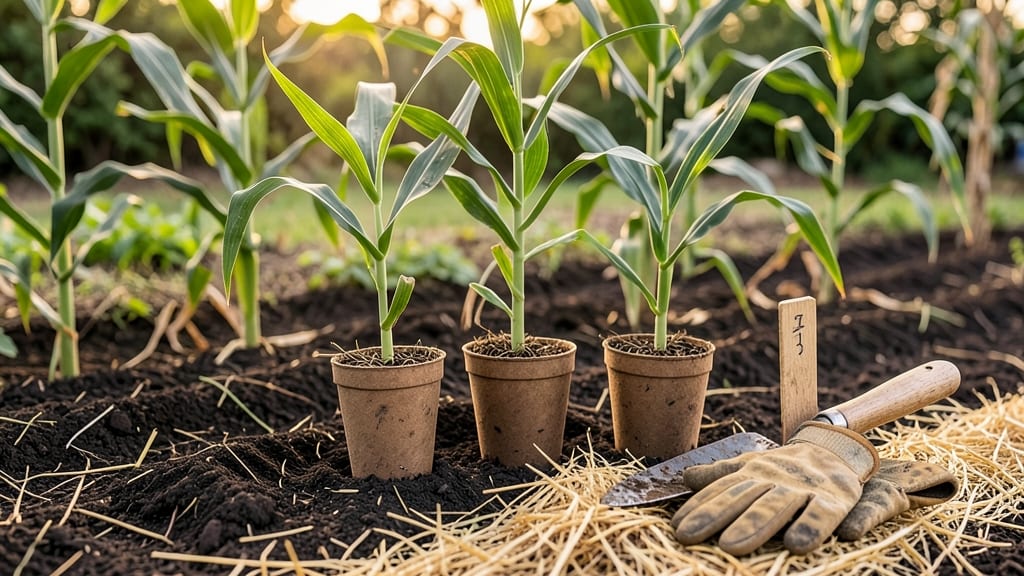
Timing your 🌽 corn planting in Western Washington is the difference between sweet, plump ears and bitter disappointment—because one wrong move and you’re dealing with bolting before you even get to harvest.
The Pacific Northwest’s chilly springs and unpredictable frost dates make this a high-stakes game, but I’ve cracked the code for gardeners in zones 7-9.
You don’t just need a calendar—you need a strategy tailored to your microclimate. Whether you’re in the Puget Sound lowlands or the cooler Cascade foothills, planting too early means cold soil and stunted growth, while waiting too long cuts your harvest short.
The key? Waiting until soil temps hit 50°F consistently, which can mean late May or even June depending on where you live.
Let’s break down the exact weeks to plant based on your local frost dates, plus how to pick varieties that thrive in Western Washington’s shorter summers. I’ll also share my top tips for avoiding bolting—because nobody wants to watch their corn go to seed before it even matures.
Ready to grow 🌽 corn that’s actually worth the effort? Grab your soil thermometer, and let’s get planting on the right schedule—no guesswork, just guaranteed harvests.
Optimal planting windows by Western Washington microclimate zones
Western Washington’s diverse microclimates mean your corn planting window can vary by hundreds of miles. The Puget Sound lowlands (like Seattle) warm up faster than coastal areas (like Olympia), while Cascade foothills (like Yakima) face later frost risks.
I’ve broken down the best planting weeks for each zone to avoid bolting—when corn flowers prematurely and turns tough.
For Puget Sound lowlands (USDA Zone 7b-8a), aim to plant late April to early May. This gives seeds time to germinate before late spring frosts (which are rare but possible). Use shorter-season varieties like ‘Golden Bantam’ (75 days) if you’re near elevated areas where nights stay chilly.
In coastal regions (like Bellingham or Port Townsend), wait until mid-May to early June. The cooler ocean air delays soil warming, so cold-sensitive corn needs extra time. Test soil temperature—it should hit 60°F (15°C) at least 1 inch deep before planting.
For Cascade foothills (like Wenatchee or Ellensburg), plant early to mid-May. These areas have warmer days but cooler nights, so choose bolting-resistant varieties like ‘Silver Queen’ (80 days). If frost threatens in June, cover plants with frost cloth for 2-3 nights.
If you miss the primary window, don’t panic—corn is resilient. Plant a second crop in late June using fast-maturing varieties like ‘Early Sunglow’ (65 days).
Just be prepared for smaller ears if days shorten in August. For coastal gardeners, consider container growing near a south-facing wall to trap heat.
Pro tip: Use black plastic mulch to warm soil 5-10°F faster in cooler zones. Lay it down 2 weeks before planting to jumpstart germination. Pair corn with beans or squash to improve soil nitrogen and deter pests—this companion planting trick works especially well in shorter growing seasons.
Remember, soil temperature matters more than air temperature. A 50°F (10°C) air temp won’t fool corn—it needs warm soil to sprout. Use a soil thermometer (they’re cheap!) to confirm readiness.
If your soil is below 55°F (13°C), wait 1-2 weeks or use a seed heating mat for stubborn patches.
For elevated gardens (like those in Seattle’s Queen Anne neighborhood), plant 1-2 weeks later than your valley neighbors. Cold air pools in low spots at night, so microclimates within blocks can vary by 10°F.
Observe your neighbor’s gardens: if their tomatoes are flowering by late April, your corn is likely ready to go.
Finally, track your local frost dates using the Old Farmer’s Almanac or NOAA’s climate maps. In Western Washington, the average last frost ranges from April 15 (San Juan Islands) to May 10 (Yakima).
But don’t rely on averages—plant when your specific location’s trends align with soil warmth.
Bolting is the #1 enemy of PNW corn growers, but timing your plantings to these microclimate-specific windows will give you the best shot at sweet, tender ears.
Start with the recommended dates, but always adjust for your yard’s quirks—that’s how you win in Western Washington’s garden lottery.
Optimal planting windows by Western Washington microclimate zones
Western Washington’s diverse microclimates mean your corn planting window could vary by 4-6 weeks depending on location. The Puget Sound lowlands (like Seattle) typically have earlier last frost dates than the Cascade foothills or coastal areas.
For example, Seattle’s average last frost is April 15, but Bellingham’s coastal chill can delay it until May 10.
Here’s the golden rule: Wait until soil temperatures hit 50°F consistently—not just air temperature. Cold soil stunts roots and invites rot. In my Zone 8 garden near Olympia, that usually means planting by late May, while higher-elevation areas like Leavenworth might need to wait until June 15.
🌱 Pro Tip: Use a soil thermometer ($10 at garden centers) to check temps at 4-inch depth—that’s where corn roots need warmth to thrive.
| Microclimate Zone | Last Frost Date | Ideal Planting Window | Backup Window | Best Varieties | Bolting Risk |
|---|---|---|---|---|---|
| Puget Sound Lowlands (Seattle, Tacoma) | April 15 | May 10–25 | June 1–15 | Golden Bantam, Country Gentleman | Low (warm soil) |
| Coastal Areas (Bellingham, Olympia) | May 10 | May 25–June 10 | June 15–30 | Ambrosia, Silver Queen | Medium (late starts) |
| Cascade Foothills (Leavenworth, Wenatchee) | May 20 | June 1–15 | June 15–30 | Early Sunglow, Peaches and Cream | High (short season) |
🌽 Note: Coastal areas often need shorter-season varieties (60-day maturity) due to cooler summers.
If you’re in a transition zone (like between Seattle and Bellingham), err on the side of later planting. I once planted too early in Zone 7 and lost half my crop to cold soil rot—a mistake I won’t repeat!
For extra insurance, use black plastic mulch to warm soil faster.
🌧️ Rainy Season Alert: Western Washington’s June drizzle can delay planting. If your soil stays soggy, wait for a 3-day dry spell before digging in.
For maximum yield, plant in blocks (not rows) every 2 weeks to stagger harvests. This works especially well for sweet corn varieties like Ambrosia, which stay tender for only 5-7 days after silk appears.