
Plants
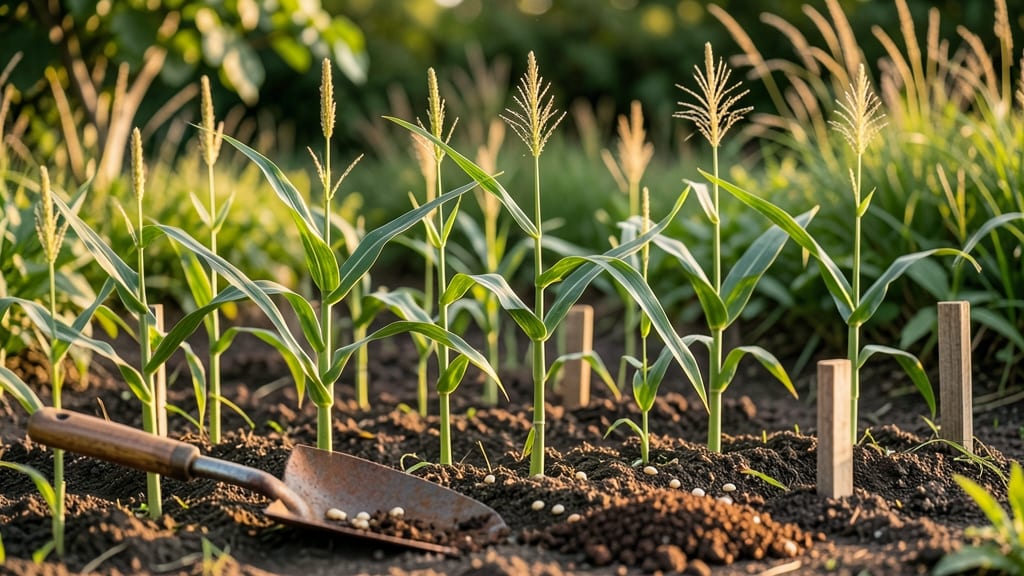
Knowing when to plant corn in Zone 5b can make or break your harvest—especially if you want those sweet, juicy ears to appear by summer's end. The difference between a thriving 🌽 patch and a failed attempt often comes down to timing soil temperatures just right after the last frost.
In Zone 5b, where chilly springs aren't uncommon, rushing to plant too early can leave your seeds sitting in cold soil, delaying germination for weeks. But wait too long, and you risk running out of growing season before your corn matures.
The sweet spot? Aiming for mid-April to early May when soil hits at least 60°F—that’s when your corn will shoot up fast and strong.
I’ve learned the hard way that skipping this step means slower growth, weaker stalks, and even missed harvests. Luckily, with a few simple checks—like testing soil warmth or tracking frost dates—you can time it perfectly.
Let me walk you through the exact steps to get your corn off to a flying start.
Whether you’re a first-time gardener or a seasoned pro, these fast germination tips will help you avoid common pitfalls. From choosing the right variety to adjusting for late springs, I’ll cover everything you need to know for a bumper crop this year.

Optimal soil temperature triggers for planting corn in Zone 5b
Corn thrives when planted in warm soil, and in Zone 5b, this means waiting for consistent temperatures above 50°F—but there’s more to it than just the calendar. The key is understanding how soil warmth triggers germination, because cold soil can leave your seeds sitting dormant for weeks.
In my experience, planting too early is the fastest way to disappointment, especially when late frosts still lurk in the forecast.
For fast germination, aim for soil temperatures of at least 60°F—this is when corn seeds typically sprout within 7-10 days. Below 50°F, germination slows dramatically, and seeds may rot before emerging.
Zone 5b’s last frost date usually falls around mid-April, but soil warmth lags behind air temperature, so don’t rush to plant just because the daffodils are blooming.
Here’s the critical rule: Use a soil thermometer (they’re cheap and lifesavers) to check temperatures at a 4-inch depth—this is where corn seeds are planted. If your thermometer reads below 55°F in the morning, hold off for at least a week.
In my garden, I’ve seen 3-week delays between air and soil warming up, especially in wet springs.
If you don’t have a soil thermometer, try the DIY moisture test: Dig a hole, fill it with water, and cover it overnight. In the morning, if the water’s still there, your soil is too cold.
Alternatively, press your hand into the soil—if it feels chilly to the touch, it’s not ready. Corn hates cold feet, and slow starts lead to uneven growth.
Historically, the best planting window in Zone 5b stretches from late April to early May, but this shifts yearly based on weather.
For example, in 2023, I planted on May 1st after a cold April, while in 2022, a warm spell let me sow by April 20th.
Always err on the side of caution—corn planted in 55°F soil may take 3 weeks to germinate, while seeds in 65°F soil pop up in 5 days.
| Soil Temp Range | Germination Time | Planting Risk | Zone 5b Window |
|---|---|---|---|
| Below 50°F | 3+ weeks (or fails) | High (rot, slow growth) | Avoid entirely |
| 50-55°F | 2-3 weeks | Moderate (uneven sprouts) | Early April (risky) |
| 55-60°F | 10-14 days | Low (safe with patience) | Late April |
| 60°F+ | 5-7 days | None (optimal) | May (ideal) |
Pro tip: In Zone 5b, black plastic mulch can warm soil by 5-10°F faster than bare earth. Lay it down 2 weeks before planting to jumpstart germination. I’ve seen corn emerge 5 days earlier with this trick, which is a game-changer for short growing seasons.
Just remove the mulch once plants are 6 inches tall to prevent overheating.
For successive plantings, stagger seeds every 2 weeks up to early June to extend your harvest. Late plantings (after June 1st) risk immature ears before frost, but short-season varieties (like ‘Early Sunglow’) can still produce sweet corn if given enough heat.
Track your local frost-free days—Zone 5b averages 150 days, so count backward from your first frost date (mid-October) to plan.
One final warning: Don’t confuse air temperature with soil temperature. A sunny 70°F day can hide 50°F soil—always check below the surface. I’ve planted corn on warm afternoons only to watch seeds fail because the soil stayed cold overnight. Patience here pays off with vigorous, uniform stands.
🌱
Optimal soil temperature triggers for planting corn in Zone 5b
Corn seeds need consistent warmth to germinate quickly, and in Zone 5b, that means waiting for soil temperatures to hit 50°F or higher at a depth of 1 inch. Below this threshold, seeds may rot or take weeks to sprout.
I’ve found that using a soil thermometer is the surest way to avoid guesswork—just check daily after the last frost date (usually mid-April in Zone 5b).
For rapid growth, aim for soil temps of 60°F or warmer. At this warmth, your corn will shoot up 2 inches per day under ideal conditions.
If your soil is still cool, even after the frost has passed, consider using black plastic mulch to absorb sunlight and speed up warming. I’ve seen this method add 3-5 days of warmth to cold springs.
| Stage | Soil Temp Requirement | Zone 5b Planting Window | Germination Time |
|---|---|---|---|
| Germination | 50°F+ (1 inch deep) | Late April to early May | 7-14 days |
| Rapid Growth | 60°F+ (1 inch deep) | Mid-May to early June | 3-5 days (per inch) |
| Tasseling | 70°F+ (surface) | June to July | N/A |
If you’re unsure about soil temps, try the DIY moisture test: Dig a 1-inch hole, add water, and cover it with plastic. Check the next day—if the soil feels warm to the touch and the water has evaporated slightly, it’s ready.
I’ve also planted corn in raised beds, which warm up faster than in-ground soil, giving me a 2-week head start in cooler springs.
Another trick I use is planting early-season varieties (like ‘Early Sunglow’) in late April, even if soil temps are borderline. These varieties tolerate cooler conditions better and can still mature in time for harvest.
Just be prepared to cover seedlings with frost cloth if late frosts hit, as young corn is especially vulnerable.
For those in Zone 5b with shorter growing seasons, consider staggering plantings every 2 weeks from late April to early June. This spreads out your harvest and reduces the risk of losing everything to a late frost.
I’ve had success with this method, ensuring fresh ears from July through September.
Finally, keep an eye on your local frost forecast—even after planting, a sudden cold snap can stunt growth. If temps drop below 50°F at night, use row covers to protect young plants until they’re tall enough to handle cooler air.
With these soil temp triggers and a little patience, your Zone 5b corn will be off to a fast, healthy start! 🌱