
Plants
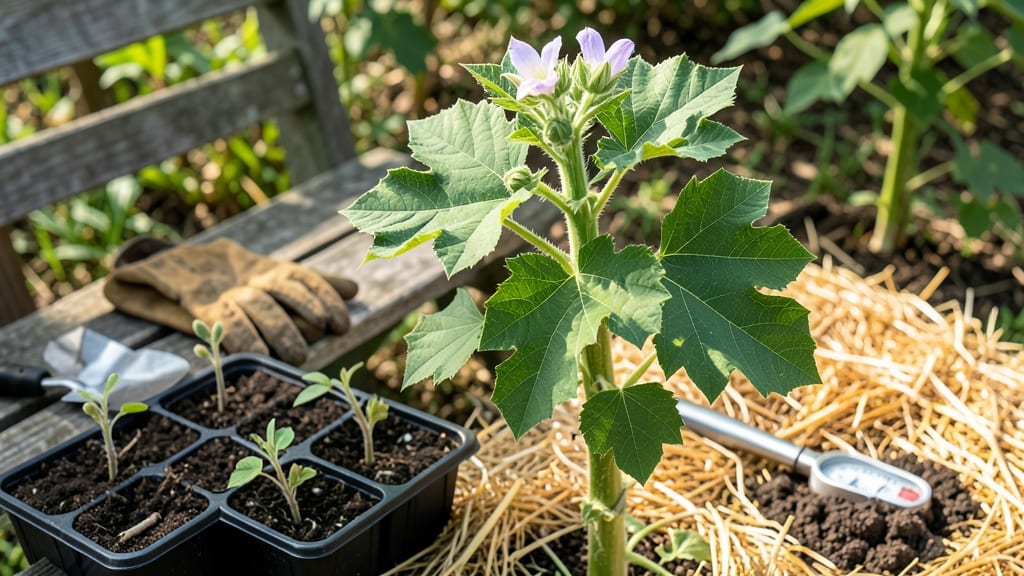
Timing your cotton planting in NC right could mean the difference between fluffy bolls and wasted seeds—especially when frost sneaks in earlier than expected.
With North Carolina’s 6a-8b zones, you’ve got a narrow window to get seeds in the ground after March 15 (or later in the mountains), but planting too late risks stunted growth before fall frosts hit.
Most gardeners in NC wait until April 15–May 15 to plant cotton 🧵, once soil temps hit 60°F+ for 4+ weeks. That’s when roots wake up, germination speeds up, and your plants have enough time to mature before November’s first frost.
But here’s the catch: Coastal areas can push planting a week or two later than the Piedmont, where cooler nights demand earlier starts.
Why does this matter? Because cotton needs 120–180 days to go from seed to harvest—and if you’re planting Deltapine 1646 (a short-season variety), you’ll need to time it perfectly to avoid late-season heat stress or premature frost damage.
Let’s break down the exact weeks by region so you can align your planting with NC’s unpredictable weather patterns.
You’ll also discover how to check soil temps (without fancy tools), adjust for early vs. late varieties, and spot the first signs of boll success—so you’re not left guessing when to harvest. Ready to turn your NC garden into a cotton goldmine? Let’s get started.
North Carolina heat-Zone map: best planting weeks by region for cotton success
North Carolina spans USDA hardiness zones 5A to 8B, but cotton thrives best in zones 7A and warmer. The Piedmont region (7A-7B) has shorter growing seasons, while the Coastal Plain (8A-8B) offers longer heat exposure.
Planting dates shift dramatically between these zones—get it wrong, and you risk frost damage or immature bolls before harvest.
To pinpoint your exact planting window, start by checking your last average frost date. In the Mountains (5A-6B), this can be as late as May 15, while in the Coastal Plain (8A-8B), it’s often by mid-March.
Cotton needs 150–180 frost-free days to mature, so timing is critical for boll development.
For Piedmont gardeners (zones 7A-7B), aim to plant by April 15 to ensure bolls mature before the first fall frost (late November). In the Coastal Plain (8A-8B), you can push planting to late March for early varieties like ‘Deltapine 1646’, which matures in 120–130 days.
However, avoid planting before soil reaches 60°F—cold soil delays germination and invites damping-off disease.
If you’re in the Mountains (5A-6B), focus on short-season varieties like ‘Stoneville 506’ (130 days to harvest) and plant no earlier than late May. These areas have only 180–200 frost-free days, leaving little room for error.
Use row covers to extend the season if needed, but remove them by June 1 to avoid overheating.
First-time growers often overlook microclimates—a south-facing slope in the Piedmont can add 2–3 weeks to your growing season. Test your soil temperature with a thermometer for 4+ weeks before planting. If temps dip below 55°F at night, delay planting by 1–2 weeks.
Count backward from your first fall frost date to calculate your planting deadline. For example, if frost hits November 15 and your cotton needs 150 days to mature, plant by June 15.
Miss this window, and bolls won’t open before cold snaps. Use NC State Extension’s frost calculator for precise local data.
In zone 8B (Coastal Plain), you can even experiment with fall planting for a second crop. Start seeds indoors in July, transplant by August 1, and harvest before December 1.
This works only with fast-maturing varieties like ‘Coker 315’ (120 days) and requires consistent irrigation to prevent drought stress.
Remember: Cotton hates cold feet. Even if your calendar says April 15, if your soil is still below 60°F, wait. Use black plastic mulch to warm the soil 2–3 weeks faster—this is a game-changer for Piedmont growers with cooler springs.
Finally, track your local heat accumulation using the Growing Degree Days (GDD) formula: (High Temp + Low Temp) ÷ 2 – 50°F. Cotton needs 2,500–3,000 GDDs to mature. Use free tools like the NC AgClimate Tool to monitor progress and adjust care as needed.
Soil temperature & seed depth: the hidden factors that determine cotton germination rates
Most gardeners in North Carolina focus on calendar dates for planting cotton, but the real secret to success lies in your soil temperature and seed depth. Cotton seeds need consistent warmth—at least 60°F for 4+ weeks—to germinate properly.
Planting too early in cool soil can leave seeds sitting dormant, while planting too deep (below 1.5 inches) risks poor root development.
I’ve learned the hard way that soil thermometers are worth their weight in gold. A quick check before planting can save you weeks of frustration. For example, in Piedmont NC, soil temps hit 60°F around mid-April, while Coastal areas may wait until late April.
This difference can mean the difference between a thriving crop and one that barely sprouts.
Here’s the golden rule: Plant cotton seeds ½ to 1½ inches deep in well-drained soil. Shallow planting (less than ½ inch) exposes seeds to drying out, while planting too deep (over 1½ inches) makes it harder for seedlings to push through the soil.
The ideal depth balances moisture retention with easy emergence.
If your soil stays below 60°F for too long after planting, cotton seeds are vulnerable to damping-off, a fungal disease that causes seedlings to collapse. To prevent this, use sterilized soil, avoid overwatering, and consider a row cover to trap heat if nighttime temps dip.
Another pro tip: Mix compost or aged manure into your planting beds before sowing. This improves soil warmth and drainage, giving your cotton seeds the best possible start. I’ve seen germination rates jump from 50% to 90% just by amending the soil with organic matter.
Don’t forget to monitor moisture levels after planting. Cotton seeds need consistent moisture but can’t handle soggy soil. Water gently to keep the soil evenly moist (not waterlogged) until seedlings emerge. Once they’re up, reduce watering slightly to encourage strong root growth.
Finally, if you’re planting in containers, use a heating mat to maintain soil temps above 60°F. This is especially helpful in Zone 7a areas where spring can be unpredictable.
With the right soil prep and temperature control, you’ll see those first cotton seedlings popping up in just 7–14 days.