
Plants
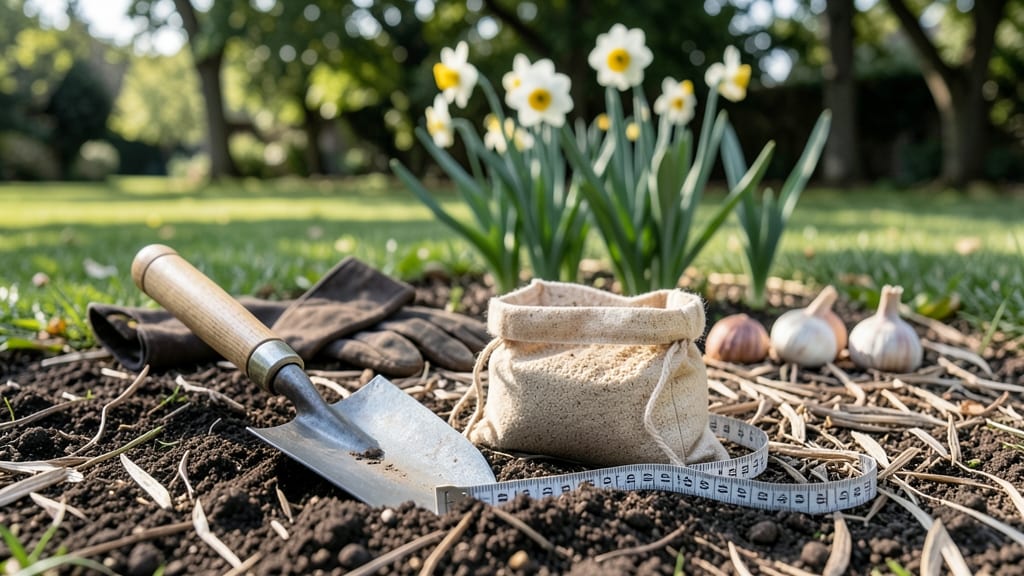
Planting daffodil bulbs in Alabama at the wrong time can mean waiting months for those cheerful 🌼 blooms—or worse, losing them entirely to winter’s whims.
The key isn’t just picking a month, but understanding your specific microclimate, whether you’re in North Alabama’s cooler 7a zones or South Alabama’s milder 8b areas.
Most gardeners know fall is the window, but Alabama’s unpredictable frost dates (think November 15 in the north, later in the south) demand precision. Plant too early, and bulbs may sprout before winter’s chill sets in; too late, and they won’t establish roots before the ground freezes.
I’ll show you how to nail the 6-week sweet spot before your first frost—plus how to adjust for clay soil, sandy patches, or even urban heat islands.
Here’s the game-changer: even within Alabama’s October–December window, your exact timing depends on whether you’re in Mobile’s coastal warmth or Huntsville’s colder valleys. We’ll break down the 3 critical deadlines by region, so you can plant with confidence—no guesswork, just vibrant 🌼 blooms come March.
Ready to skip the trial-and-error? Let’s dive into the exact dates, soil prep tricks, and post-planting care that’ll make your daffodils thrive—no matter where in Alabama you garden.
Alabama’s optimal daffodil planting window by region (with frost-free deadlines)
Alabama’s USDA Zones 7a-8b create a unique challenge for daffodil growers—mild winters in the south contrast sharply with occasional 20°F dips in northern regions.
The perfect planting window varies by microclimate, but aiming for 6 weeks before first frost (typically October 15-November 15) gives bulbs time to root before winter. Here’s how to adapt for your specific corner of the state.
For North Alabama (Zones 7a-7b), where frosts can arrive as early as November 1, prioritize planting by October 15.
In Central Alabama (Zone 7b-8a), you’ve got flexibility until November 30, while South Alabama (Zone 8a-8b) gardeners can safely plant through December 15—though early January works too if you’re bold.
🌼 Pro Tip: Check your local Alabama Cooperative Extension frost dates—some years, Huntsville’s first frost hits 2 weeks earlier than Mobile’s. Use these as your hard deadlines for zero-frost-risk planting.
| Region | USDA Zone | Ideal Planting Window | Last-Frost Deadline | Microclimate Tip |
|---|---|---|---|---|
| North Alabama | 7a-7b | October 15–November 1 | November 15 (avg) | Use mulch blankets for late plantings |
| Central Alabama | 7b-8a | October 30–December 1 | November 30 (avg) | South-facing slopes extend window |
| South Alabama | 8a-8b | November 15–January 15 | December 15 (avg) | Windbreaks protect from cold snaps |
Even within these windows, soil temperature matters more than air temperature. Daffodil bulbs need 60°F soil to sprout, so avoid planting when ground temps dip below 50°F. Use a soil thermometer—if your garden bed feels chilly to the touch, wait a week.
For container gardening in Alabama, the rules relax slightly. Potted daffodils can handle slightly later planting (up to January 1) because you can move them to sheltered porches during cold snaps. Just ensure drainage holes prevent waterlogging in our clay-heavy soils.
🌱 Key Insight: Alabama’s mild winters mean daffodils often bloom 2-3 weeks earlier than northern states. Planting in early November in Birmingham, for example, can yield February blooms—just in time for Presidents’ Day!
If you miss the ideal window, don’t panic. January planting still works in Zone 8b, but use cold frames or row covers to protect bulbs until March. The trade-off? You might sacrifice first-year blooms but still get healthy bulbs for next spring.
For bulb quality, prioritize firm, dry bulbs with no soft spots. Alabama’s humid fall can encourage mold, so store bulbs in a cool, dry place (like a garage with ventilation) until planting. Avoid refrigeration—moisture buildup ruins bulbs faster than frost.
💧 Post-Planting Care: Water deeply after planting to settle soil, then reduce watering until spring sprouts appear.
Overwatering in clay soils (common in North Alabama) causes rot, while sandy soils (like those in South Alabama) dry out too quickly—aim for 1 inch of water per week once growth starts.
How to extend your planting season in Alabama’s unpredictable climate
Alabama’s variable frost dates and mild winters can throw off even the best-laid planting plans. But with a few smart strategies, you can safely plant daffodil bulbs outside the traditional October-December window—whether you missed the boat or want to try early planting.
First, understand that daffodils thrive when planted 6-8 weeks before the first frost. In Alabama, this typically means late September to mid-November, but your exact timing depends on your microclimate—whether you’re in the cooler Appalachian foothills or the warmer Gulf Coast.
For gardeners in North Alabama (USDA Zone 7a), where frosts can arrive as early as November 15, aim to plant by mid-October.
In Central Alabama (Zone 7b-8a), you’ve got flexibility until late November, while South Alabama (Zone 8b) gardeners can push planting into early December with confidence.
Remember, daffodils are hardy to 10°F, but they perform best when planted in cool (but not frozen) soil. If you’re pushing the limits, monitor your local Alabama Cooperative Extension Service frost alerts for real-time updates.
With these strategies, you can adapt to Alabama’s whims and enjoy reliable daffodil blooms every spring—no matter when you plant! 🌼