
Plants
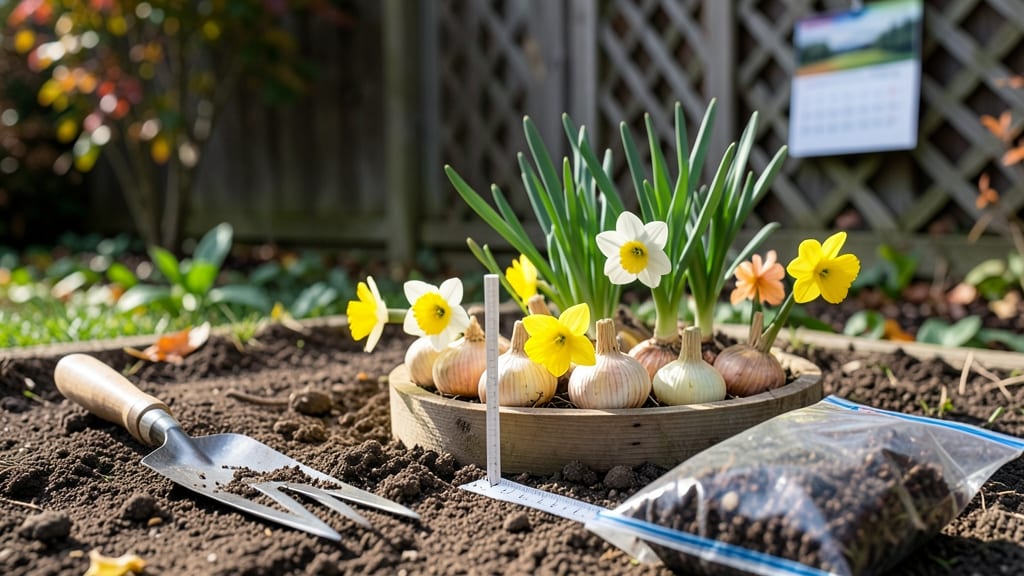
If you’ve ever wondered when to plant daffodil bulbs in Massachusetts, timing is the secret to those cheerful spring blooms. Plant too early, and the bulbs may rot in cold, wet soil; too late, and frost could damage them before they even sprout.
The sweet spot? Late fall, when soil temperatures drop but haven’t frozen solid—typically between October and November.
For Massachusetts gardeners in zones 5b-6b, the key is understanding chill hours—those critical cold periods that trigger blooming. Daffodils need 12-16 weeks of cool weather to set their flowers, so planting in October ensures they’ll wake up just as winter fades.
But don’t wait until December—bulbs planted too late may not establish roots before the ground freezes.
Here’s the game-changer: aim to plant 6-8 weeks before your first hard frost, usually around mid-October. Dig bulbs 6 inches deep and space them 4-6 inches apart for optimal growth. This timing guarantees your 🌼 daffodils will push through snow and surprise you with vibrant blooms by April.
Ready to transform your yard into a springtime spectacle? Let’s break down the exact steps—from soil prep to frost-free planting—to make sure your daffodils thrive year after year.
Massachusetts daffodil planting zones: chill-hours vs. frost dates
Massachusetts' USDA Zones 5b-6b create unique challenges for daffodil growers. While coastal areas like Barnstable (Zone 6b) enjoy milder winters, inland regions like Franklin (Zone 5b) face harsher frost. The key? Understanding your chill-hour requirements—daffodils need 1,500-2,000 hours below 40°F to bloom reliably.
Most Massachusetts gardeners should plant daffodil bulbs between mid-October and mid-November, but timing varies by microclimate. Coastal areas can extend planting until late November, while inland zones should aim for early October to avoid winter heaving from freeze-thaw cycles.
Here’s how your location impacts planting windows:
| Zone | Avg. First Frost | Ideal Planting Window | Chill-Hour Needs | Key Variety Tip |
|---|---|---|---|---|
| 6b (Coastal: Cape Cod, Nantucket) | Mid-November | Late October – Late November | 1,500–1,800 hours | ‘Tête-à-Tête’ (dwarf, early bloomer) |
| 6a (Boston, Worcester) | Early November | Mid-October – Early November | 1,800–2,000 hours | ‘Ice Follies’ (late bloomer, heat-tolerant) |
| 5b (Western MA: Pittsfield, Springfield) | Late October | Early October – Mid-October | 2,000+ hours | ‘Carlton’ (hardy, reliable bloomer) |
For zero-frost-risk blooms, plant bulbs 6-8 weeks before the ground freezes. Use your local USDA frost date map (like the National Weather Service tools) to pinpoint your exact window. Pro tip: Test soil temperature—it should be below 60°F but not yet frozen.
In Zone 6b, you can push planting to December 1 if soil stays workable, but avoid planting after December 15—bulbs may not root before winter. Inland zones (Zone 5b) should finish planting by October 15 to prevent frost damage.
Daffodils thrive in well-draining soil, so amend heavy clay with compost or sand before planting. A 2-inch layer of mulch after planting helps insulate bulbs during temperature swings. Avoid planting in low-lying areas where cold air pools—opt for sloped or raised beds instead.
Remember: Early bloomers like ‘Jack Snipe’ need fewer chill hours (1,500 hours), while late bloomers like ‘Thalia’ require 2,000+ hours. Match your variety to your zone for consistent spring color!
If you’re unsure about your chill hours, check your local Cooperative Extension Service (like UMass Amherst) for microclimate data. Their soil tests can also confirm your pH (ideal: 6.0–7.0) and nutrient levels before planting.
🌼
Step-by-step planting timeline for zero-frost risk blooms
Massachusetts’ unpredictable winters mean your daffodil planting timeline must account for both chill hours and frost dates. Start by marking your calendar for mid-October to early November—this is when soil temperatures drop enough to protect bulbs but haven’t frozen solid.
For coastal areas (like Zone 6b), you might push planting to early November, while inland zones (like Zone 5b) should aim for late October.
Here’s my foolproof timeline: Week 1-2 (Late September)—test soil moisture. If it’s still warm, wait. Week 3-4 (October)—plant bulbs 6 inches deep and 4-6 inches apart. Week 5-6 (November)—cover planted areas with 2-3 inches of mulch to insulate bulbs from temperature swings.
This timing ensures roots establish before hard frost hits, typically around mid-October in most of Massachusetts.
🌱Pro Tip: Use a moisture meter to check soil readiness—it should feel cool to the touch but not frozen. If you’re unsure, plant 2 weeks earlier than your local frost date. For example, if your first frost is October 20th, aim for September 25th to be safe.
📅 Step-by-Step Planting Timeline
- Late September: Prepare soil by loosening 12 inches deep and mixing in compost for drainage.
- Mid-October: Plant bulbs 6 inches deep in well-draining soil—use a bulb planter for precision.
- Late October: Apply 2-3 inches of mulch (straw or shredded leaves) to protect bulbs.
- November: Water lightly if soil is dry, but avoid overwatering to prevent rot.
- Winter: Let snow cover bulbs naturally—it acts as extra insulation!
- Early Spring: Remove mulch when shoots emerge (usually March-April).
One common mistake? Planting too shallowly. Daffodil bulbs need 6 inches of depth to survive winter’s freeze-thaw cycles. If you’re in a rocky or clay-heavy area, amend soil with sand or perlite to improve drainage. Also, avoid planting in low-lying spots where water pools—daffodils hate soggy soil.
After planting, resist the urge to fertilize. Daffodils store energy in their bulbs, and fall feeding can encourage weak root growth before winter. Instead, wait until early spring (March) to apply a light fertilizer (like 5-10-10) as leaves emerge.
This timing mimics their natural growth cycle and prevents winter burn.
Finally, mark your garden with planting flags or a sketch—daffodils can be tricky to spot under snow! Come spring, you’ll be rewarded with bold blooms that push through snow and frost, proving your timing was perfect. 🌼