
Plants
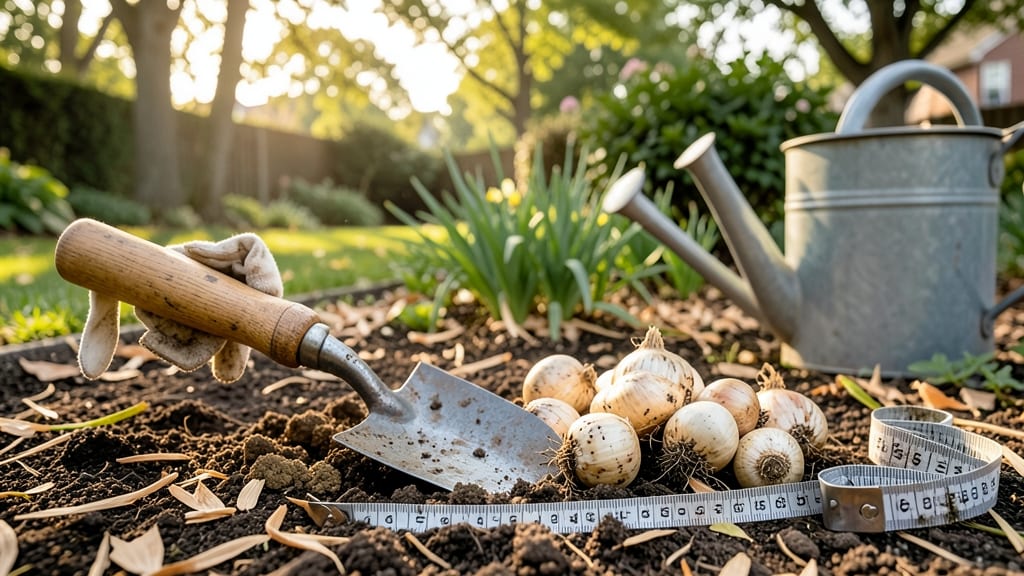
Timing is everything when it comes to planting daffodil bulbs in California—get it wrong, and you might end up with frost-nipped blooms or bulbs that never sprout. The perfect window depends on whether you're in frost-prone inland areas or milder coastal zones, where the rules change completely.
If you're in Zone 9-11 (coastal California), like San Diego or Santa Barbara, you've got more flexibility—planting from October through December works beautifully. But inland gardeners in Zones 7-9 need to act faster, aiming for October to early November before the first frost arrives.
Why does this matter? Daffodils need time to root before winter sets in, and planting too late means they won’t establish strong enough roots for those showstopping spring blooms.
I’ll break down the exact timing for your region, plus soil prep tips to ensure your 🌼 daffodils thrive—no matter where you garden in California.
Ready to set your bulbs up for success? Let’s dive into the best strategies for frost-proof planting, so you can enjoy vibrant daffodils year after year without the guesswork.
California daffodil planting calendar by region: coastal vs inland frost-free zones
California’s daffodil planting window hinges on two critical factors: USDA hardiness zones and frost risk. Coastal areas like San Diego (Zone 10) enjoy frost-free winters, while inland spots like Sacramento (Zone 7) face January frost threats.
Timing your bulbs right ensures they root before cold snaps or bloom too early in mild climates.
For coastal California (Zones 9-11), the ideal window stretches from October through December. Here, soil temps stay above 50°F year-round, so bulbs can tolerate later planting. In contrast, inland regions (Zones 7-8) must plant by mid-November to avoid winter freezes that can rot unprotected bulbs.
🌼
| Region | USDA Zone | Best Planting Month | Soil Temp Goal | Frost Risk |
|---|---|---|---|---|
| Northern Coastal (San Francisco) | 9-10 | October–December | 55–65°F | Low (rare below 32°F) |
| Southern Coastal (Los Angeles) | 10-11 | November–January | 60–70°F | None |
| Central Valley (Sacramento) | 7-8 | October–Mid-Nov | 50–60°F | High (Jan–Feb) |
| Desert (Palm Springs) | 9-10 | November–December | 55–65°F | Low (rare below 35°F) |
| Mountain Foothills (Fresno) | 8-9 | September–October | 45–55°F | Moderate (Dec–Jan) |
In coastal zones (Zones 9-11), daffodils can bloom as early as February if planted in November. For inland areas (Zones 7-8), aim for October planting to ensure roots establish before December frost.
Use a soil thermometer to confirm temps are below 60°F—this triggers bulb dormancy and spring blooming.
Pro tip: Early bloomers like 'Tête-à-Tête' thrive in coastal climates, while late varieties such as 'Ice Follies' suit inland zones where cooler springs delay flowering. Always check your local frost dates via the USDA Plant Hardiness Zone Map for precision.
For container gardening in Zone 10+, plant bulbs in December—they’ll bloom later but avoid summer stress. In Zone 7, cover newly planted beds with straw mulch after November 15 to insulate bulbs from 28°F temps.
🌿
If you’re in transition zones (Zone 8), like San Bernardino, split your planting: 60% in October (for early blooms) and 40% in December (to extend the season). This staggered approach ensures continuous color from March through May.
Remember: Daffodil bulbs need 12–16 weeks of cold to bloom. In mild-winter zones (Zone 10), consider chilling bulbs in the fridge for 6–8 weeks before planting to mimic winter conditions. This trick works wonders for San
5 Critical factors that determine your perfect daffodil planting time
Planting daffodil bulbs in California isn’t just about picking a month—it’s about reading your microclimate’s signals. The 5 key factors I watch for are soil temperature, frost risk, rainfall patterns, bulb variety, and elevation. Get these right, and your daffodils will bloom like clockwork every spring.
First, soil temperature is non-negotiable. Daffodils need 60°F soil to start rooting, but they’ll rot if planted in warm soil above 70°F. In coastal areas like San Diego (Zone 10), soil stays warm later, so I plant as late as December.
But in Sacramento (Zone 9), I’m done by November 15th to avoid winter wetness.
Next, frost risk changes everything. Inland zones like Fresno (Zone 8) can see frost by December 15th, so bulbs need 6-8 weeks to root before then. Coastal areas? Almost zero frost risk means you’ve got a 3-week buffer—planting in November or even early December works fine.
Rainfall patterns also shift your timing. In dry inland areas, I plant in October to capture fall rains for root growth. But in muggy coastal zones, overwatered soil can suffocate bulbs, so I wait until November when rains ease up.
Bulb variety matters too. Early bloomers like ‘February Gold’ need to be in the ground by October 15th to flower in late winter. Late bloomers like ‘Ice Follies’ can wait until November 1st—they’ll still pop in April. Always check the bloom time on your bulb packet!
Finally, elevation changes your frost window. A mountain garden in Lake Tahoe (Zone 6) needs bulbs in by September 15th, while a San Francisco garden (Zone 10) can plant until December 1st.
Use the USDA Zone Map to adjust your timing by 2-3 weeks per 1,000 feet in elevation.
🌱 Pro Tip: Test your soil’s readiness with a soil thermometer—aim for 55-65°F at 6 inches deep before planting.
- 🌡️ Soil Temp: 60°F minimum; avoid >70°F
- ❄️ Frost Risk: Plant 6-8 weeks before first frost
- 🌧️ Rainfall: Coastal = wait for drier November; Inland = plant in October
- 🌼 Bulb Variety: Early bloomers need earlier planting
- ⛰️ Elevation: Adjust timing by 2-3 weeks per 1,000ft
Now that you’ve got the critical factors down, your next step is to assess your microclimate. Grab a soil thermometer, check your USDA Zone, and note your local frost dates. With these tools, you’ll plant daffodils at the perfect moment—every single year.
Want to double-check your timing? Bookmark this California Planting Zone Map for quick reference before you head to the nursery. Your spring blooms will thank you!