
Plants
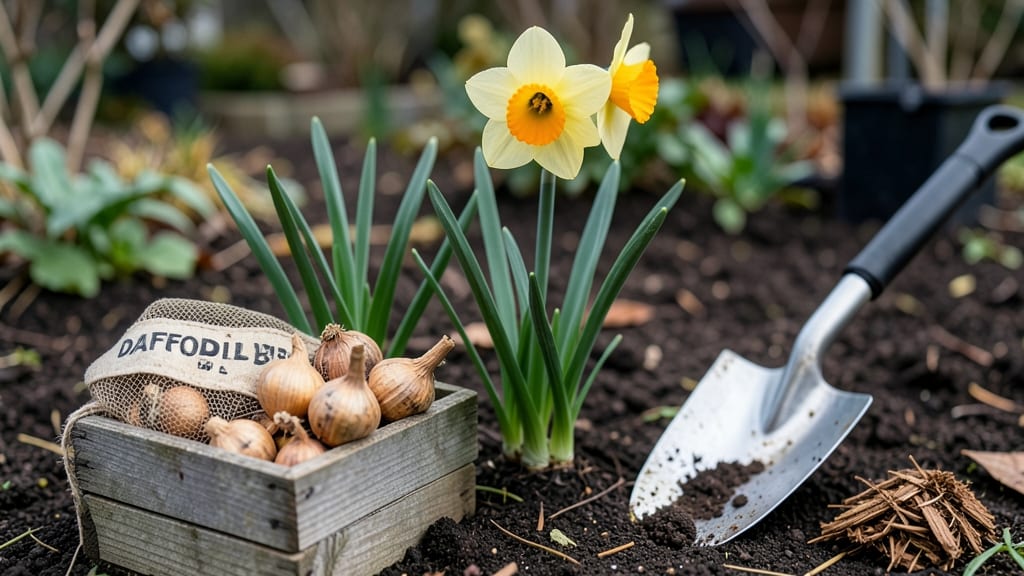
Planting daffodils in Tennessee at the wrong time could mean waiting another year for those cheerful 🌼 blooms—but timing it right guarantees vibrant spring displays with almost zero effort.
The key lies in Tennessee's Zone 6a-7b climate, where early fall planting (October-November) creates the perfect window for bulbs to establish roots before winter dormancy.
Why does timing matter so much? Daffodils need 4-6 weeks of cool soil before the ground freezes solid. Plant too late, and winter frost can damage tender roots before they settle in. Too early, and your bulbs might sprout prematurely, only to get fried by Tennessee's unpredictable late frosts.
I'll show you exactly how to read your local frost dates and soil temperatures to pick the perfect planting window—whether you're in Nashville's milder Zone 7b or Chattanooga's cooler 6a. With just 3 simple steps, you'll avoid common mistakes that leave Tennessee gardeners scratching their heads next spring.
Ready to transform your yard into a daffodil paradise? Let's dive into the foolproof method that works even when Tennessee's weather throws curveballs—no green thumb required.
Best planting months for daffodils in Tennessee’s climate zones
Tennessee’s Zone 6-7 climate means daffodils need precise timing to thrive—plant too early, and they’ll sprout before winter; too late, and frost will damage them. The ideal window is October through November, but your exact timing depends on your region’s first frost dates and soil temperatures.
In Zone 6 (eastern Tennessee), where winters are colder, aim for late September to early November. Gardeners in Zone 7 (middle/western Tennessee) have more flexibility, with October to mid-November being ideal. Even a 2-week difference can mean the difference between healthy blooms and wasted bulbs.
Soil temperature is your best guide: plant when it drops to 50-60°F. Use a soil thermometer to check—this usually aligns with late October in most of Tennessee. If your area has early frosts (like in the Smoky Mountains), plant by mid-October to avoid winter damage.
Here’s how Tennessee’s regions break down for daffodil planting success:
| Region | USDA Zone | Best Planting Month | Soil Temp Goal | Key Tip |
|---|---|---|---|---|
| East Tennessee | 6a-6b | Late Sept - Early Nov | 50-55°F | Plant by Oct 15 in high elevations |
| Middle Tennessee | 7a-7b | Oct - Mid-Nov | 55-60°F | Avoid planting after Nov 1 in Nashville |
| West Tennessee | 7a-7b | Oct - Late Nov | 55-60°F | Memphis gardeners can plant until Nov 15 |
If you miss the ideal window, don’t panic—you can plant daffodils in early December as long as the ground isn’t frozen. However, bulbs planted after mid-December risk frost heave (when freezing/thawing cycles push bulbs too close to the surface).
For late plantings, add extra mulch (3-4 inches) to insulate them.
Pro tip: Use a planting calendar like the Old Farmer’s Almanac to check your local frost dates. In Tennessee, the average first frost ranges from November 1 in the mountains to November 15 in the western plains. Planting 4-6 weeks before frost gives bulbs time to root before winter.
For container gardening, timing is even more critical—containers warm up faster and can freeze more easily. Plant 2-3 weeks earlier than in-ground bulbs to account for the faster soil temperature drop in pots.
Choose black or dark-colored containers to absorb heat during the day and release it slowly at night.
Remember: Daffodils planted in fall will reward you with spring blooms (March-May in Tennessee), but the key to success is consistent soil moisture during root establishment. Water deeply after planting to encourage root growth before winter dormancy sets in.
🌼
Best planting months for daffodils in Tennessee’s climate zones
Tennessee’s Zone 6a-7b climate creates a 6-week window for planting daffodils—any earlier or later risks frost damage or weak root growth. The sweet spot is mid-October through early November, when soil temperatures drop to 50-60°F but haven’t frozen yet. This timing lets bulbs establish roots before winter dormancy kicks in.
In Zone 6a (eastern Tennessee, like Knoxville), aim for late October planting—soil freezes by early December. For Zone 7b (Nashville, Memphis), stretch your window to mid-November since first frosts arrive later. Even a 2-week difference can mean the difference between thriving blooms and disappointed gardeners.
Here’s how your region breaks down for zero-frost success:
| Tennessee Region | USDA Zone | Ideal Planting Window | Soil Temp Threshold | Key Adjustment |
|---|---|---|---|---|
| East Tennessee (Knoxville, Chattanooga) | 6a | Late October | 50-55°F | Plant by Nov 15 to avoid early frost |
| Middle Tennessee (Nashville) | 7a | Mid-October to early November | 55-60°F | Extend to Nov 10 for milder winters |
| West Tennessee (Memphis) | 7b | Early October to mid-November | 58-62°F | Can plant as late as Nov 20 |
Pro tip: Use the 10°F soil rule—plant when daytime highs average 60°F but nighttime lows dip to 40°F. Check your local Almanac frost dates and subtract 4-6 weeks to nail your window. For example, if your first frost is November 15, plant by October 1.
Don’t stress if you miss the ideal window—September and December are secondary options, but they require extra care. September plantings need consistent moisture to prevent drought stress, while December bulbs must be mulched heavily to insulate roots. Both methods work, but the October-November window remains the gold standard.
Once you’ve locked in your months, the next step is soil prep—and Tennessee’s clay-heavy soils need special attention. Loosen the top 12 inches of soil and mix in compost to improve drainage, since daffodils hate soggy roots.
This small step makes all the difference in Tennessee’s humid winters.
With your planting window set, you’re ready to dig in—literally! The key now is depth and spacing: plant bulbs 6 inches deep and 4-6 inches apart for that classic daffodil drift effect. 🌼