
Plants
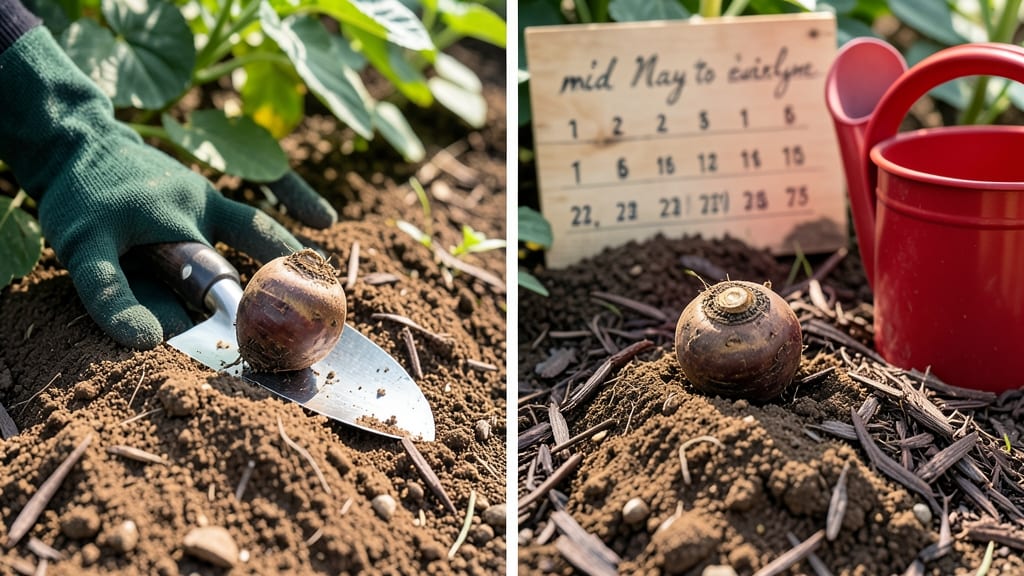
Knowing when to plant dahlias in Zone 7 can mean the difference between a showstopping summer garden and a sad, stunted 🌼. These dramatic blooms demand warmth and patience—plant them too early, and you risk frost damage or weak growth.
But get the timing right, and you’ll enjoy vibrant flowers from July through October.
The key is waiting for soil temperatures to hit 60°F or higher, typically around mid-April to mid-May after the last frost.
In Zone 7 (7a-7b), this usually lands in late spring, but exact dates vary depending on whether you’re in the cooler northern part of the zone or the warmer southern stretches.
I’ll walk you through how to prepare your dahlias for planting—from chitting tubers indoors to hardening them off—so they’re ready to thrive when the time comes. Plus, I’ll share the most common mistakes gardeners make and how to avoid them.
Ready to turn your garden into a dahlia paradise? Let’s dive into the exact steps to ensure your tubers take root strong and bloom spectacularly all season long.

Ideal planting time for dahlias in Zone 7 based on soil temperature
Timing is everything when planting dahlias in Zone 7. These tropical-looking tubers need soil temperatures of at least 60°F to thrive—any cooler, and they’ll rot or refuse to sprout.
In Zone 7, this typically means waiting until mid-April to mid-May, after the last frost date has passed (usually around April 15).
But here’s the catch: Zone 7 spans 7a (cooler) to 7b (warmer). In 7a, you might need to wait until early May, while 7b gardeners can plant as early as late April. Always check your local frost dates and soil temps to avoid common mistakes like planting too soon.
I recommend using a soil thermometer to confirm readiness. Stick it in the ground at planting depth (4-6 inches) and wait until it consistently reads 60°F or warmer for at least 3 days. This small investment saves you from wasted tubers and weak growth.
If you’re unsure about your exact planting window, aim for 2-4 weeks after your last frost date. This buffer accounts for unpredictable spring weather and ensures your dahlias get off to a strong start. For example, if your last frost is April 15, plant between May 1-15.
Another key factor is daytime temperatures. Dahlias prefer warm air, ideally above 70°F during the day. If nights are still chilly (below 50°F), consider using row covers or mulching heavily to protect young plants.
Pro tip: In Zone 7, late May planting is still possible for dwarf varieties, but taller dahlias may not reach their full potential. The sweet spot is late April to early May for most gardeners in this zone.
| Factor | Zone 7a (Cooler) | Zone 7b (Warmer) |
|---|---|---|
| Last Frost Date | April 15 | April 1 |
| Ideal Planting Window | May 1-15 | April 20-May 10 |
| Soil Temp Requirement | 60°F+ (consistent) | 60°F+ (consistent) |
| Daytime Temp for Growth | 70°F+ | 70°F+ |
| Late Planting Window | May 15-June 1 (dwarf varieties) | May 10-June 1 (all varieties) |
| Tools Needed | Soil thermometer, row covers | Soil thermometer, mulch |
If you’re still unsure about your local conditions, check your county’s agricultural extension service for precise frost date data. They often provide 10-year averages that account for climate trends. For example, some areas in Zone 7 have seen later frosts in recent years due to shifting weather patterns.
Once you’ve confirmed your planting window, mark your calendar and prepare your soil. Dahlias love well-draining, nutrient-rich soil with a pH between 6.5-7.0. Amend heavy clay or sandy soil with compost or aged manure at least 2 weeks before planting to give microbes time to break it down.
Remember: Patience pays off with dahlias. Rushing the process leads to weak plants, while waiting for ideal conditions ensures vibrant blooms from July to October. With the right timing, your dahlias will reward you with cut flowers for arrangements and garden drama all season long.
Ideal planting time for dahlias in Zone 7 based on soil temperature
In Zone 7, the perfect time to plant dahlias hinges on two critical factors: soil temperature and last frost dates. Dahlias thrive when soil reaches 60°F or warmer, signaling the ground is ready to support their delicate tubers.
This typically falls between mid-April and mid-May, but exact timing varies based on your sub-zone (7a or 7b) and microclimate.
For Zone 7a (cooler), aim for late April to early May, while Zone 7b (warmer) can start as early as mid-April. Always verify your local last frost date—Zone 7’s average is around April 15, but early springs can push it later.
A soil thermometer is your best friend here; plant only when readings consistently hit 60°F for 3+ days.
Rushing the process is a common mistake. Planting too early in cool soil can lead to rotten tubers or stunted growth. Conversely, waiting too long risks missing the optimal 8-10 week growth window before summer heat sets in.
Balance is key—dahlias need warmth to establish roots but also moderate summer temperatures (below 90°F) to bloom prolifically.
| Zone & Timing | Soil Temp Requirement | Planting Window | Key Consideration |
|---|---|---|---|
| Zone 7a (Cooler) | 60°F+ (consistent) | Late April–Early May | Wait for 3+ days of stable warmth |
| Zone 7b (Warmer) | 60°F+ (earlier) | Mid-April–Mid-May | Monitor for late frosts in early April |
| Both Sub-Zones | Avoid below 55°F | Never before April 1 | Use row covers if early planting is unavoidable |
Pro tip: In Zone 7’s variable climate, combine soil temperature checks with a 10-day weather forecast. If nighttime temps dip below 50°F after planting, protect your dahlias with lightweight row covers or move potted tubers to a sheltered spot.
This extra layer of care ensures your dahlias focus on root growth rather than surviving temperature swings.
Once planted, dahlias need 6+ hours of sunlight daily and well-draining soil to prevent rot. Amend your garden bed with compost or aged manure before planting to improve drainage and fertility.
In Zone 7’s humid summers, mulch around the base to retain moisture and suppress weeds—this keeps your dahlias thriving from July through October.
Timing isn’t just about the calendar; it’s about reading your garden’s cues. Watch for new foliage on nearby perennials (like peonies) as a natural indicator that soil is warming.
When you see those first green shoots, your dahlias are likely ready to join them—just make sure your soil thermometer agrees!