
Plants
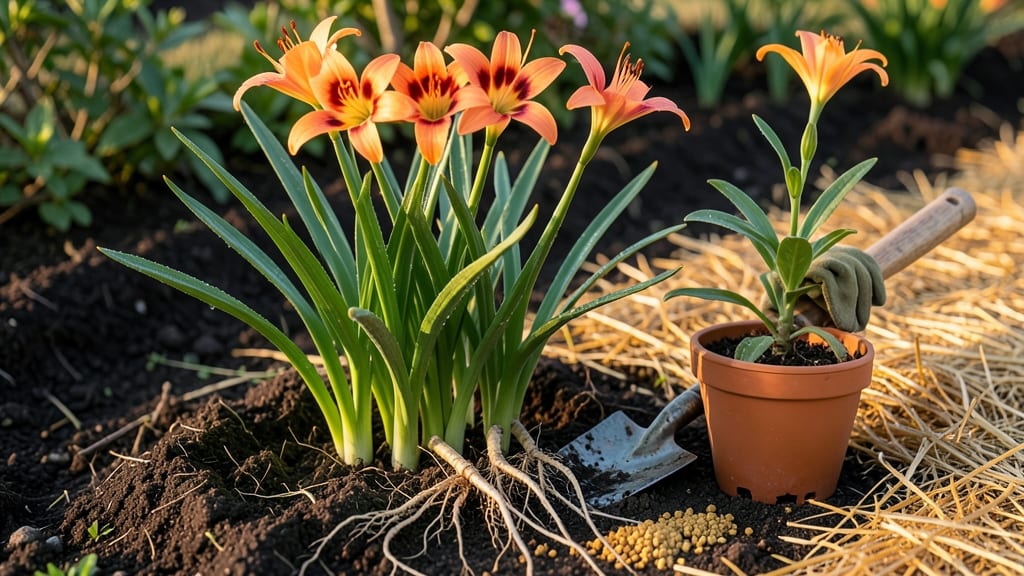
When to plant daylilies in Georgia is the secret to thriving blooms in the state’s unpredictable climate. If you've ever watched your daylilies 🌸 struggle to thrive in Georgia's ever-changing weather, you're not alone.
The key to vibrant blooms lies in planting them at the right time—when soil temperatures and weather patterns align perfectly for root establishment.
Georgia's Zone 7b-8b climate gives gardeners two ideal windows: early spring (March-April) or early fall (September-October). But timing isn't just about months—it's about avoiding those tricky false springs and late frosts that can sneak up on unsuspecting gardeners.
I've spent years perfecting the schedule, and what I'm about to share will help you avoid common mistakes that lead to weak growth or winter damage. Whether you're a seasoned gardener or just starting, these insights will give your daylilies the best possible start.
Let's dive into the exact timing secrets that will transform your garden from good to spectacular—without the guesswork. You'll learn how to read your local microclimate and adjust your planting strategy for maximum success.
Best planting months for daylilies in Georgia’s Zone 8A climate
Georgia’s Zone 8A climate offers two ideal windows for planting daylilies: early spring and early fall. These periods align with soil temperatures and rainfall patterns that encourage strong root establishment before extreme heat or cold arrives.
For most of Georgia, this means targeting March-April for spring and September-October for fall.
Why these months? Spring planting lets daylilies establish roots before summer’s intense heat, while fall planting gives them time to grow before winter dormancy.
The Piedmont region (e.g., Athens, Macon) may have slightly earlier last frost dates than the Coastal Plain (e.g., Savannah, Brunswick), so adjust timing by 1-2 weeks accordingly.
Soil temperature is your best guide—aim for 60°F or warmer when planting. Use a soil thermometer to check; cooler soils delay root growth. In Georgia’s humid climate, well-draining soil is critical to prevent fungal issues like root rot, especially in fall plantings.
Pro tip: Mulch heavily after planting (2-3 inches of organic mulch) to retain moisture and regulate soil temperature. This is especially important in Georgia’s hot, dry summers and mild winters, where temperature swings can stress young plants.
Here’s how Georgia’s microclimates affect timing:
| Region | Spring Planting Window | Fall Planting Window | Key Consideration |
|---|---|---|---|
| Piedmont (Zone 7b-8a) | Late March–Early April | Mid-September–Early October | Cooler nights; watch for late frosts |
| Coastal Plain (Zone 8a-8b) | Early March–Mid-April | Late September–Mid-October | Warmer soils; prioritize drainage |
| Mountains (Zone 7a-7b) | April–Early May | Late August–Early September | Shorter growing season; plant early |
For container gardening, you can extend the window slightly—plant in February or May if you’re using large pots (12"+ diameter) with fast-draining mix. Containers warm up quicker in spring, but they also dry out faster, so monitor moisture closely during Georgia’s dry spells.
Avoid planting in summer (June-August) unless you’re in a shaded microclimate. The intense heat and humidity can stress daylilies, leading to poor root establishment and leaf scorch. If you must plant in summer, choose early June and provide afternoon shade temporarily.
Georgia’s humidity levels (often 60-80%) also influence planting success. After planting, water deeply to encourage root growth, but avoid overwatering, which can suffocate roots. Aim for 1 inch of water per week, adjusting for rainfall. A drip irrigation system is ideal for consistent moisture without wetting foliage.
Finally, amend your soil with compost or aged manure before planting to improve drainage and fertility. Daylilies tolerate a wide range of soils but thrive in slightly acidic to neutral pH (6.0-7.0).
Test your soil’s pH and adjust with lime (to raise pH) or sulfur (to lower pH) if needed.
Timing your daylily planting right in Georgia’s Zone 8A means vibrant blooms from June through September—and minimal stress on your plants. With these windows and tips, you’ll set your daylilies up for years of low-maintenance beauty.
Best planting months for daylilies in Georgia’s Zone 8A climate
Georgia’s Zone 8A climate gives daylilies a long growing season, but timing matters for strong root establishment before summer heat or winter chill. The ideal windows are early spring and early fall, when soil temperatures hover between 50°F and 70°F—perfect for root growth without stress.
In early spring, plant daylilies 4-6 weeks before your last frost date (typically mid-March in most of Georgia). This gives roots time to establish before summer’s intensity. Fall planting should occur 6-8 weeks before first frost (around early September), allowing roots to anchor before winter dormancy.
Here’s how Georgia’s microclimates influence timing: Piedmont regions (like Athens) can plant slightly earlier than Coastal Plain areas (like Savannah), where humidity delays soil warming. Always check your local frost dates—they vary by county!
🌱 Georgia Daylily Planting Summary
| Season | Best Months | Soil Temp | Key Tip |
|---|---|---|---|
| Spring | March–April | 50°F–70°F | Avoid soggy soil; amend with compost |
| Fall | September–October | 60°F–75°F | Mulch after planting to insulate roots |
⚠️ Pro Tip: Test soil moisture before planting—daylilies hate waterlogged roots!
For container gardening, you can plant daylilies 2-3 weeks earlier in spring or 1-2 weeks later in fall, since pots warm up faster. Just ensure containers have drainage holes—Georgia’s summer downpours can drown roots quickly!
If you miss the ideal windows, don’t panic! Transplanting established daylilies (even in summer) works if you water deeply daily for 2 weeks and use shade cloth during heatwaves. Just expect slower recovery.
Remember: Daylilies are tough, but perfect timing = bigger blooms and healthier plants. Start with these months, and your garden will thank you! 🌸