
Trees
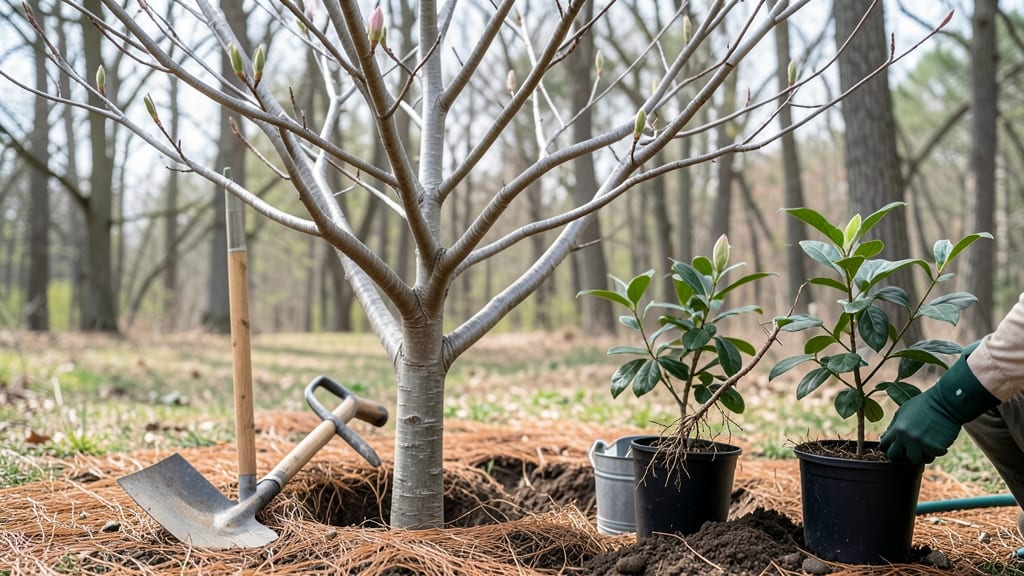
Planting your Dogwood Tree 🌳 in North Carolina at the wrong time could mean weeks of struggling with slow root growth or even transplant shock. The key to success isn't just picking a season—it's understanding how your local microclimate affects when those roots need to settle in.
Most gardeners in USDA Zones 6b-8a know the general rule: late fall to early spring. But what if you're in the Coastal Plain versus the Mountains? Those 10-degree temperature swings between regions can shift your ideal planting window by 4-6 weeks, and missing it means wasted effort.
I'll break down exactly when to plant—whether you're working with bare-root saplings or container-grown specimens—and how to adjust for your specific corner of NC. You'll learn which months give your dogwood the best shot at thriving, plus pro tips to outsmart unpredictable frosts or heatwaves.
Ready to plant with confidence? Let's dive into the science behind timing that'll have your dogwood flowering like a pro by spring.
Optimal planting windows for NC dogwood trees by region
North Carolina’s diverse climate means dogwood trees thrive best when planted at region-specific times. The Coastal Plain, Piedmont, and Mountain regions each have unique frost-free windows that directly impact root establishment.
I’ll break down the best planting months for each zone, including soil temperature thresholds to ensure success.
Dogwoods (Cornus florida) prefer cool soil temperatures between 40°F and 60°F for optimal root growth. Planting outside this range can stress young trees, delaying their ability to establish. In NC, this typically translates to late fall or early spring windows, but exact timing varies by region.
Here’s how to align your planting with NC’s microclimates for maximum success:
| Region | USDA Zone | Last Frost Date | Best Planting Window | Soil Temp Threshold |
|---|---|---|---|---|
| Coastal Plain | 7b-8a | February 15 | Late February - Early April | 50°F - 60°F |
| Piedmont | 6b-7a | March 15 | Late March - Early May | 40°F - 50°F |
| Mountains | 6a-6b | April 1 | Early April - Mid-May | 35°F - 45°F |
For Coastal Plain gardeners in zones 7b-8a, aim to plant between late February and early April. This window ensures soil temperatures stay ideal for root growth while avoiding the peak heat of summer.
In the Piedmont region (zones 6b-7a), shift your focus to late March through early May to align with cooler soil temps and lower evaporation rates.
The Mountain region (zones 6a-6b) has the latest planting window due to its cooler climate. Plant between early April and mid-May to give young dogwoods time to establish before summer heat arrives.
Remember, bare-root trees should be planted while dormant, while container-grown trees offer more flexibility but still benefit from cooler soil.
Pro tip: Use a soil thermometer to verify temperatures before planting. Dogwood roots struggle in soil above 65°F, so avoid planting when ground temps climb beyond this threshold. In hotter zones like the Coastal Plain, early morning planting can help reduce heat stress on freshly transplanted trees.
If you’re in Zone 8a, you can even plant container-grown dogwoods in late fall (November) or early spring (March). The key is ensuring the tree isn’t exposed to freezing temperatures during its first growing season. Mulch heavily around the base to insulate roots and retain moisture.
For urban gardens or microclimates with delayed frosts, consider waiting until after the last frost date—even if it means planting slightly later. A dogwood established in optimal conditions will outperform one planted early but stressed by heat or drought.
🌳
How to adjust planting timing for dogwood trees in NC microclimates
North Carolina’s microclimates can shift your dogwood planting window by 4-6 weeks, even within the same county. Urban heat islands, river valleys, and high-altitude gardens create unique conditions that demand adjustments.
I’ll show you how to fine-tune your planting schedule using soil thermometers, local weather patterns, and simple observation techniques to ensure your dogwood thrives.
For example, urban gardens in Raleigh or Charlotte often experience 5-10°F warmer soil temperatures than rural areas just 10 miles away. This can delay your ideal planting window by 2-3 weeks. Use a soil thermometer to confirm when temperatures drop below 60°F—this is your cue to plant.
In these hotspots, late March or early April may be safer than the general Piedmont guideline.
Here’s how to adjust for common NC microclimates:
- Urban Heat: Concrete and pavement raise soil temps by 10°F+. Plant 2-3 weeks later than rural guidelines.
- River Valleys: Cooler air pockets can delay last frosts. Wait until after March 20 in Piedmont valleys.
- Mountain Slopes: Frost pockets may linger until April 15. Plant container-grown trees for flexibility.
- South-Facing Slopes: Soil warms 30% faster than north-facing sites. Avoid planting before soil hits 50°F.
🌡️ Pro Tip: Check your local CoCoRaHS weather station for hyper-local soil temp data.
If you’re planting near large bodies of water like the Neuse River or Lake Norman, expect cooler microclimates that may extend your planting window into late April. These areas often have delayed last frosts and slower soil warming.
For high-altitude gardens above 3,000 feet (common in the Blue Ridge Escarpment), shift your focus to May planting to avoid late-season frosts that can damage new growth.
Container-grown dogwoods offer flexibility in tricky microclimates.
Unlike bare-root trees, they can be planted year-round in Zone 8a (like Wilmington or Fayetteville) as long as you:
- Water deeply before and after transplanting
- Mulch heavily (3-4 inches of organic mulch)
- Avoid planting during summer heatwaves (soil temps above 75°F)
For late frosts (common in the Piedmont’s foothills), consider using frost cloth or a mini greenhouse for the first 2-3 weeks after planting. This buys your dogwood critical time to establish roots before winter sets in.
Monitor your local National Weather Service frost forecasts and adjust your planting timeline accordingly.
🌿