
Plants
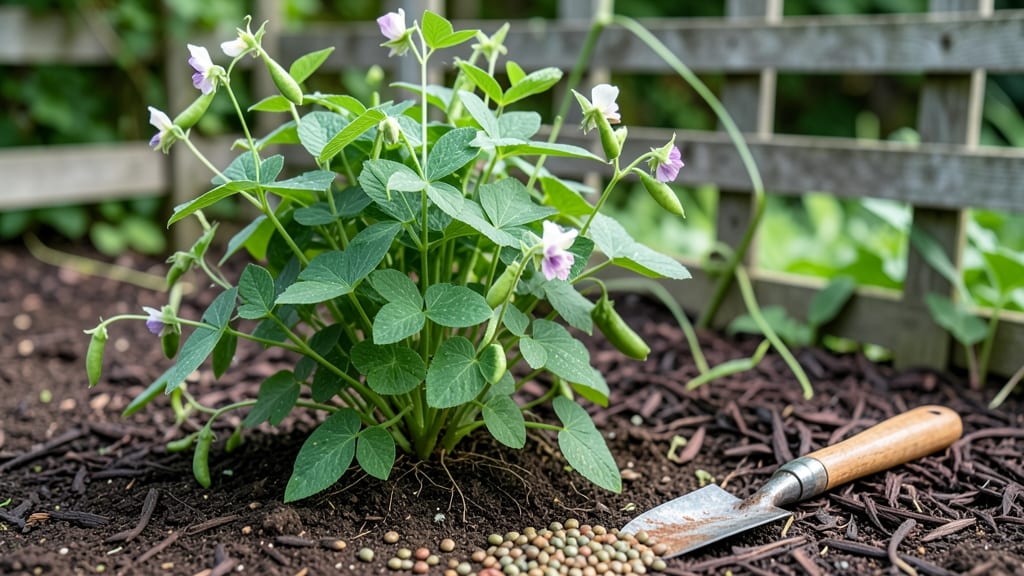
Knowing when to plant English peas in Zone 8 can mean the difference between a bountiful harvest and bitter disappointment. These cool-weather 🌱 lovers bolt faster than you can say "spring fever" when temperatures climb, so timing is your secret weapon.
In Zone 8, you've got two prime chances to grow sweet, tender peas: late winter/early spring and fall. But here's the catch - soil temperature matters more than calendar dates. We'll show you exactly when to plant for maximum success, including how to beat bolting with simple soil tricks.
Let's break down the ideal planting windows by month, soil temperature thresholds, and even how to adjust for your local microclimate. Whether you're a coastal gardener with milder winters or inland with hotter springs, you'll learn how to time it perfectly.
You'll also discover which English pea varieties handle Zone 8's warm winters best and how to prepare your seeds for planting. Ready to grow peas that actually produce? Let's get started.

Optimal planting windows for English peas in Zone 8 by month
In Zone 8, growing English peas successfully hinges on precise timing—especially since warm winters can trigger early bolting. The sweet spot? Plant when soil temps hover between 40-50°F, ensuring steady growth without heat stress. Let’s break down the best months and exact windows to maximize your harvest.
For most of Zone 8, the primary planting window spans late February to early April, aligning with soil warming trends. However, coastal areas (like San Diego) may start as early as January, while inland regions (like Austin) should wait until March to avoid premature bolting.
Always check your last frost date—typically around February 15—and plant 4-6 weeks beforehand.
Don’t overlook fall planting! A second harvest is possible by sowing seeds in September or October, allowing peas to mature before the first frost (November 15).
This strategy works best in cooler microclimates or elevated areas where nights stay chilly. Use row covers to extend the season if needed.
Here’s how to align your planting with soil temperature, moisture levels, and local microclimates to avoid common pitfalls like stunted growth or bolting:
Pro tip: Use a soil thermometer to confirm readiness. If temps dip below 40°F, delay planting—cold soil slows germination. Conversely, if soil exceeds 55°F, peas will bolt within 2-3 weeks. Aim for consistent moisture (1 inch per week) to prevent stress-induced bolting.
For container gardening in Zone 8, start seeds indoors 6-8 weeks before your target outdoor date. Use biodegradable pots to avoid root disturbance when transplanting. Place containers in partial shade during heatwaves to protect tender seedlings.
Bolting is the #1 enemy of Zone 8 pea growers. To combat it, pair your planting with mulching (straw or grass clippings) to keep soil cool and moist. Avoid overhead watering—it can spread fungal diseases like powdery mildew, which weakens plants and increases bolting risk.
Harvest timing matters too! English peas reach peak sweetness 60-75 days after planting. Check for plump pods (2-3 inches long) with small, soft seeds. If left too long, pods toughen and seeds harden, ruining the flavor. Aim to harvest every 2-3 days during peak production to encourage continuous flowering.
Finally, rotate crops annually. Peas are legumes, fixing nitrogen in the soil—plant them after heavy feeders like tomatoes or corn to replenish nutrients. Avoid planting peas in the same spot two years in a row to prevent soil-borne diseases.
With these timing tricks, you’ll beat Zone 8’s heat and enjoy a bumper crop of sweet, tender peas—no bolting in sight! 🌱
Optimal planting windows for English peas in Zone 8 by month
Zone 8 gardeners face a unique challenge with English peas: heat stress can cause them to bolt prematurely. The key is planting when soil temperatures stay between 40-50°F—cool enough for germination but warm enough to avoid frost.
Let’s break down the best months and tricks to maximize your harvest.
For spring planting, aim for February to early March—just 4-6 weeks before your last frost date (typically February 15 in Zone 8). This timing gives peas enough time to mature before summer heat sets in.
In fall, plant September to early October for a late-season harvest before the first frost (November 15).
Here’s how to align your planting with Zone 8’s microclimates. Coastal areas stay cooler longer, so you can plant 1-2 weeks later than inland regions.
Use a soil thermometer to confirm temperatures—peas won’t sprout if the soil is too cold or too warm. Aim for consistent 50°F soil temps at planting.
🌱 Zone 8 English Pea Planting Guide by Month
| Month | Planting Window | Soil Temp (°F) | Key Consideration |
|---|---|---|---|
| February | Early (coastal) to Mid (inland) | 45-50°F | Avoid frost; use row covers if needed |
| March | Ideal for most of Zone 8 | 40-50°F | Best balance of cool soil and warm days |
| September | Early to Mid | 50-55°F | Soil warms faster; plant early to avoid heat |
| October | Early (before frost risk) | 45-50°F | Risk of early frost; use cold frames |
💡 Pro Tip: For a continuous harvest, stagger plantings every 2 weeks in spring and fall.
If you miss the ideal window, don’t despair! Fall planting in Zone 8 can still yield sweet peas if you act quickly. Start seeds indoors 6-8 weeks before your target outdoor date to give them a head start.
Use shade cloth during hot afternoons to keep soil cool and prevent bolting.
Remember, English peas are cool-season crops, so they’ll struggle if planted too late in spring or too early in fall. Always check your local frost dates and adjust accordingly. With the right timing, you’ll enjoy fresh, tender peas straight from your garden for months!
For extra protection, consider mulching with straw or using black plastic mulch to stabilize soil temperatures. This simple step can mean the difference between a thriving pea patch and a failed crop.