
Plants
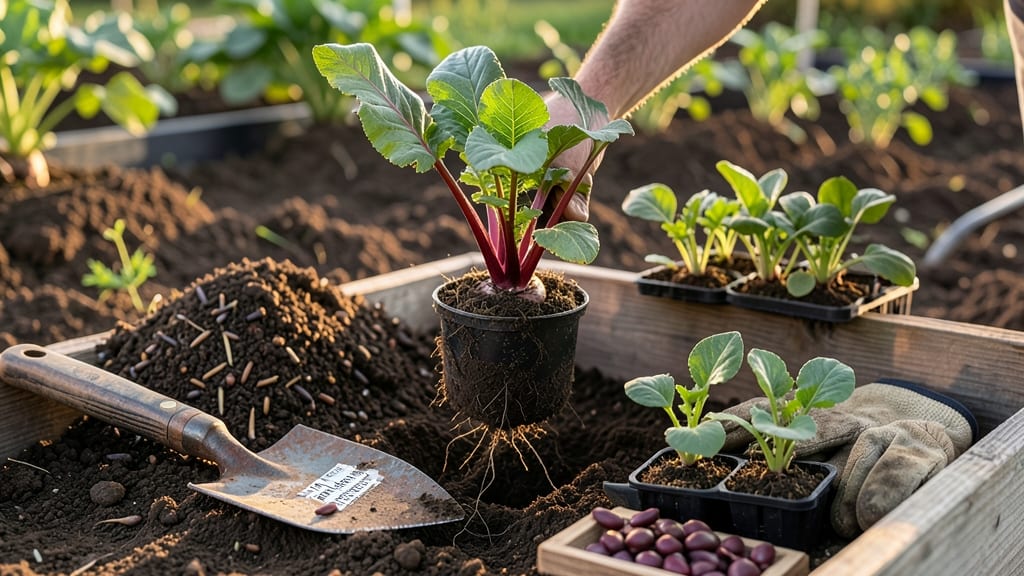
Timing your fall beet 🍠 planting in Zone 7 can make or break your harvest—get it wrong, and you’ll end up with bitter roots or plants that bolt before they’re ready.
The key to success lies in those late summer to early fall weeks when soil stays warm enough to encourage growth but cool enough to prevent stress.
Most gardeners in Zone 7a-7b aim to plant 8–10 weeks before the first frost, typically between mid-August and early September. This window gives beets enough time to mature before temperatures drop, ensuring sweet, tender roots instead of tough, woody ones.
But here’s the catch: soil temperature matters just as much as calendar dates.
In this guide, I’ll break down the exact planting timeline for your region, including how to adjust for early or late frosts. You’ll also discover why fall-planted beets often taste sweeter and how to protect your crop from pests and bolting.
Let’s get those seeds in the ground at the perfect moment.
Ready to grow beets that stay crisp and delicious? I’ll walk you through every step—from soil prep to harvest—so you can enjoy a bountiful fall harvest without the guesswork. No more wasted seeds or disappointing yields!

Optimal fall beet planting dates in Zone 7 to prevent bolting
Timing is everything when planting fall beets in Zone 7. The key is to sow seeds 8-10 weeks before your first frost—typically between mid-August and early September. This window ensures your beets mature before cold weather triggers bolting or makes roots woody.
In Zone 7, where first frost usually hits around October 15, aim for a harvest between October and December.
Beets are cool-season crops, so they thrive in soil temperatures between 50°F and 75°F. Planting too early in hot summer months can stress seedlings, while late planting risks bolting before harvest.
Use your local frost date calculator to fine-tune your schedule—just plug in Zone 7 and your specific location for precise dates.
Here’s how to adjust for early or late seasons: If summer lingers hot, opt for heat-tolerant varieties like ‘Crimson Globe’ and plant in late August.
For cooler summers, start as early as mid-July with shade cloth to protect young plants. Always account for a 30-day buffer to account for unexpected weather shifts.
| Planting Window | Zone 7 Dates | Soil Temp | Harvest Window | Key Tip |
|---|---|---|---|---|
| Early Fall | Mid-August | 60°F-75°F | Late October | Use shade cloth for seedlings |
| Standard Fall | Early September | 55°F-70°F | November-December | Ideal for most Zone 7 growers |
| Late Fall (Risky) | Late September | 50°F-65°F | Early November | Use row covers to extend season |
For successive planting, sow a second batch 3-4 weeks after your first planting. This staggered approach ensures a continuous harvest through fall. For example, plant your first batch on August 15 and follow up with another on September 1.
This way, you’ll have beets ready at different stages, minimizing waste.
Always prepare your soil before planting. Beets prefer loose, well-draining soil with a pH of 6.0-7.0. Mix in 2-3 inches of compost or aged manure to improve fertility.
Avoid fresh manure, which can cause bolting or uneven growth. Test your soil’s nitrogen levels—too much can lead to leafy growth at the expense of root development.
After planting, keep the soil consistently moist but not soggy. Mulch with straw or shredded leaves to retain moisture and suppress weeds. Water deeply in the morning to reduce disease risk.
Avoid overhead watering, which can spread fungal spores. A drip irrigation system is ideal for maintaining even moisture without disturbing the soil.
Watch for bolting signs like elongated stems or bitter-tasting roots. If you notice seedlings stretching toward the sun, they’re reacting to heat stress. Provide afternoon shade with a lightweight row cover until temperatures drop.
In Zone 7, bolting is most likely if planted after mid-September, so adjust your schedule accordingly.
Finally, mark your planting dates on a garden calendar for future reference. Include notes on variety performance, harvest yields, and any pest issues. Over time, you’ll refine your timing to match your microclimate.
With these precise dates and tips, your fall beets will be sweet, tender, and ready to harvest—just in time for holiday meals! 🌱
Optimal fall beet planting dates in Zone 7 to prevent bolting
In Zone 7, timing is everything when planting fall beets. The key is to sow seeds 8-10 weeks before your first frost date—typically between mid-August and early September. This window ensures your beets mature before cold snaps trigger bolting or turn roots woody.
For example, if your first frost arrives on October 15, aim to plant by August 15 for a late fall harvest.
Beets thrive in cool soil temperatures (50-70°F), so avoid planting when daytime highs exceed 80°F. Late summer heat stresses seedlings, slowing growth and increasing bolting risk.
Monitor your local soil thermometer—ideal temps for germination are 50-75°F. If your soil runs hotter, opt for shade cloth or wait until late August.
⚠️ CRITICAL TIP: Use a 30-day buffer for late varieties. If you miss the August window, try a succession planting in early September with faster-maturing types like 'Babybeat' or 'Early Wonder'. These varieties tolerate cooler temps better and harvest in 45-50 days.
Zone 7 Fall Beet Planting Timeline
| Planting Window | Soil Temp | Days to Harvest | Notes |
|---|---|---|---|
| Mid-August | 60-70°F | 60-70 days | Best for standard varieties |
| Early September | 55-65°F | 45-55 days | Use fast varieties (e.g., 'Babybeat') |
| Late August | 70-75°F | 50-60 days | Provide afternoon shade |
📅 Pro Tip: Mark your calendar for September 1 as the last safe planting date for most Zone 7 gardens.
Adjust your planting dates based on your local microclimate. Gardens in Zone 7a (cooler) can push planting to early September, while Zone 7b (warmer) may need to start by mid-August.
Check your USDA frost map and add 1-2 weeks of wiggle room for early frosts. For example, if your area averages frost by October 1, plant by August 1.
After sowing, thin seedlings to 2-3 inches apart once they reach 2 inches tall. This spacing prevents competition and ensures large, sweet roots. Mulch with straw or grass clippings to retain moisture and regulate soil temps.
In late September, add a light layer of compost to boost root development before harvest.
With precise timing and these adjustments, your fall beets will stay tender and delicious well into November. Start with Detroit Dark Red or Chioggia for reliable results, and always harvest before hard frosts hit. Happy planting! 🌱