
Plants
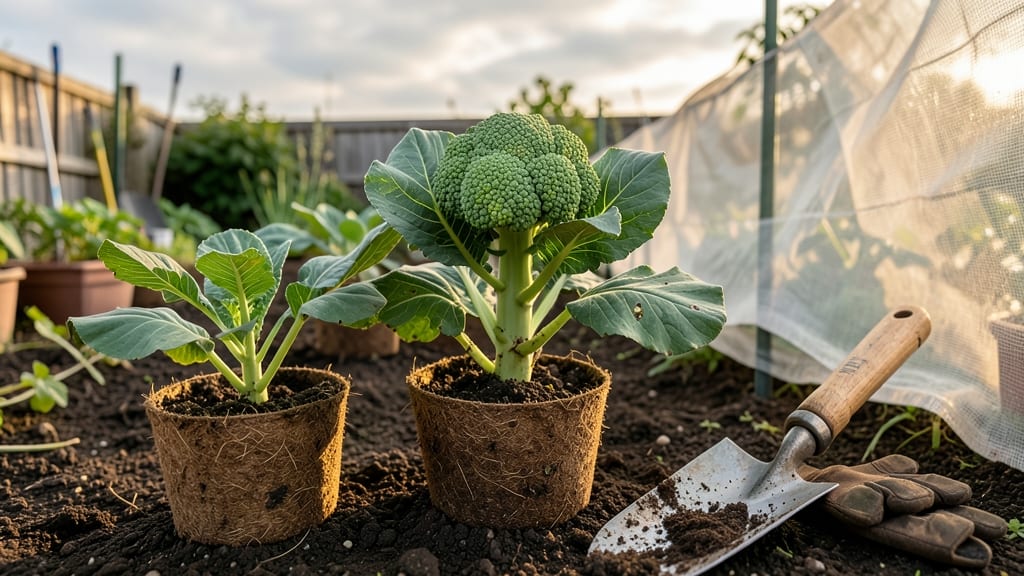
When to plant fall crops in Ohio could mean the difference between a bumper harvest and a wasted season—get it wrong, and you might miss out on fresh veggies just as summer winds down. Ohio’s 6a zone offers a narrow window (late July to mid-September) to plant 🌾 before the first frost hits, but microclimates across the state can shift those deadlines by weeks.
Whether you’re in Columbus, Cleveland, or rural Appalachia, knowing when to plant isn’t just about dates—it’s about soil warmth, frost risk, and even your garden’s location.
I’ll break down the exact planting windows for Ohio’s zones, so you can avoid common mistakes like starting too late or overestimating your growing season.
From leafy greens to root vegetables, the right crops can thrive right up until frost. You’ll learn which varieties are safest for Ohio’s short fall, how to extend your harvest with succession planting, and why your neighbor’s schedule might not work for you.
Let’s turn your Ohio garden into a fall feast—without the guesswork. Ready to plant with confidence? Here’s your zone-specific roadmap.
Ohio fall planting deadlines by USDA hardiness zone (7a-6b)
Ohio’s USDA zones 6a-7b create a 3-week difference in frost timing—planting too early in zone 6a (Appalachia) risks bolting, while zone 7a (southern Ohio) allows later starts. My rule of thumb: Calculate 60 days before your average first frost date (October 15-25) to harvest before winter sets in.
For example, in Columbus (6b), aim to plant by September 1 for a harvest before Thanksgiving. Meanwhile, Cleveland (6a) gardeners should start by August 15—just 2 weeks earlier—to avoid early October frosts. These deadlines ensure cool-season crops like kale and carrots mature before hard freezes.
⚠️ Critical Note: Ohio’s microclimates can shift frost dates by 1-2 weeks. Urban areas (e.g., Cincinnati) often frost earlier than rural zones due to heat island effects. Always check your local Almanac frost predictions for precision.
Here’s how to adjust for your zone using Ohio’s last planting windows:
Pro tip: Use succession planting to stagger harvests. For instance, sow radishes every 2 weeks from August to September—they mature in 25 days and tolerate light frosts. This ensures a continuous supply even if early frosts hit.
For slow-growing crops like broccoli or cabbage, start seeds indoors in July and transplant 4-6 weeks before your zone’s last planting date. This head start compensates for Ohio’s shortened fall daylight.
✂️ Action Step: Mark your calendar for September 1 (zone 6b) or August 25 (zone 6a) as your final deadline for direct-sown fall crops. After that, only fast-maturing varieties (e.g., bush beans, lettuce) will have time to harvest.
Remember: Soil temperature matters just as much as air temperature. Aim for 50–60°F soil (use a soil thermometer) before planting cool-season crops. Cold soil slows germination and stunts growth.
🌱 Why This Matters: A well-timed fall garden can produce 50% more yield than a rushed spring planting. By following these zone-specific deadlines, you’ll avoid the bitter disappointment of watching crops bolt or rot before harvest.
Microclimate adjustments: how Ohio’s urban vs. rural zones affect planting
Ohio’s planting calendar isn’t one-size-fits-all—urban heat islands in cities like Columbus can push first frost dates 1-2 weeks later than rural areas, while Lake Erie’s cooling effect near Cleveland may bring frost earlier.
These microclimates mean your neighbor’s late-August planting schedule could leave your spinach or kale vulnerable to frost. Understanding these shifts helps you fine-tune your timeline for maximum harvest success.
For example, Columbus (Zone 6b) often sees its first frost around October 15, giving you a longer window for slow-growing crops like broccoli or cabbage.
But just 20 miles north in rural Franklin County, frost can hit by October 1-7, shrinking your planting window by nearly 2 weeks.
Urban gardeners in Cincinnati might even push planting into early September for radishes or lettuce, while Appalachian regions (like Zone 6a) should start by mid-August to avoid frost risks.
🌱 Key Microclimate Adjustments for Ohio Gardeners
📍 Urban Areas (Columbus, Cincinnati): Plant 1-2 weeks later due to delayed frost (heat islands). Ideal for fast crops like radishes or arugula in early September.
🌊 Lake Effect Zones (Cleveland, Toledo): Frost arrives earlier near water. Start cool-season crops by mid-August and prioritize quick-harvest varieties.
🏞️ Rural/Appalachian (Zone 6a): Plant by late July for crops like kale or carrots—frost can strike by October 1. Use row covers to extend the season.
⚠️ Pro Tip: Check your local frost date (via Old Farmer’s Almanac) and subtract your crop’s days to maturity—this is your last planting deadline.
Elevation also plays a role: Southern Ohio’s flatter terrain (like Zone 7a near Lexington) allows for later plantings, while hilly areas in the northeast (Zone 6a) may need earlier starts.
If you’re unsure, test your microclimate by planting a small batch of radishes in late August—if they bolt or turn bitter by October, you’re pushing your zone’s limits.
For urban gardeners, container gardening can help—pots warm up faster in heat islands, so you might delay planting by 10-14 days compared to in-ground beds.
Meanwhile, rural gardeners should focus on soil warmth: Test soil temps—cool-season crops thrive at 45-85°F, but if your soil stays above 80°F, seeds may fail to germinate.
Finally, wind exposure matters. Open fields (common in rural Ohio) can accelerate frost damage, while windbreaks (like hedges or fences) add 2-3°F of protection. If your garden is exposed, plant near natural barriers or use low tunnels to shield crops like spinach or lettuce from early cold snaps.
Adjusting for microclimates isn’t just about dates—it’s about strategic choices that turn Ohio’s unpredictable fall into your most productive growing season. Start with your local frost data, then tweak based on urban heat, elevation, or wind to lock in a reliable harvest before winter sets in 🌿.