
Planting
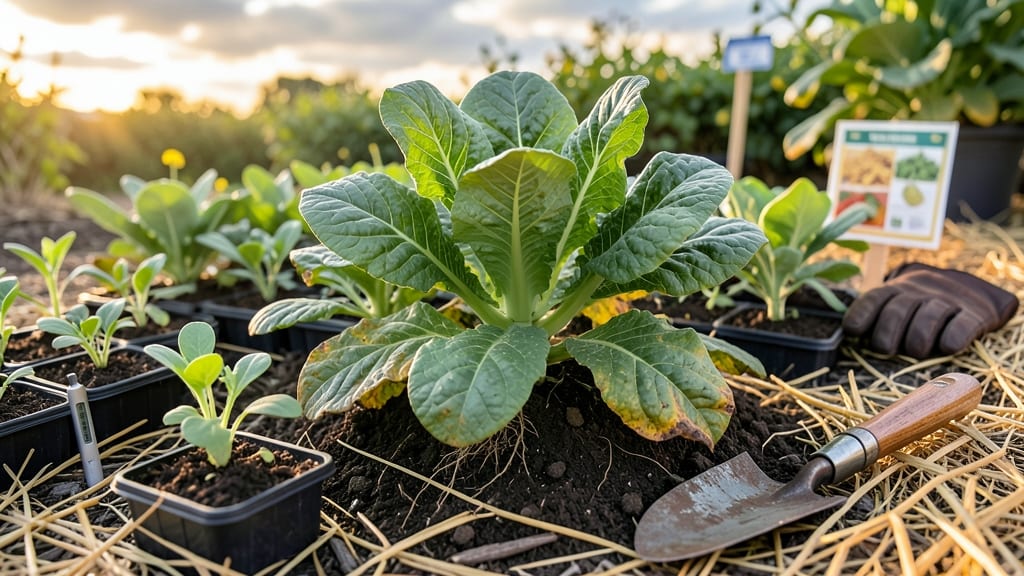
If you’re dreaming of a bountiful fall garden harvest in Louisiana, timing is everything—plant too early, and your crops will wilt in the heat; too late, and frost will steal your rewards.
The perfect window for planting fall garden vegetables in Louisiana’s zones 8a-9b starts as early as mid-August, but the real magic happens in September when temperatures dip just enough to give your greens, roots, and heat-lovers a fighting chance.
Louisiana’s humid subtropical climate throws a curveball, with lingering summer heat and unpredictable rain, but the right crops—like collards, sweet potatoes, and okra—thrive when planted at the ideal week.
I’ll break down the exact planting schedule, so you can avoid common mistakes (like overwatering or ignoring soil prep) and maximize your harvest from October through December.
Why stress over guesswork when you can plant with precision? Whether you’re a seasoned gardener or just starting, this guide will help you pick the best varieties for your zone and extend your growing season like a pro.
Let’s get those seeds in the ground at the right time—because in Louisiana, fall gardening isn’t just about patience, it’s about strategy.
From heat-tolerant tomatoes to frost-resistant greens, I’ll walk you through the critical steps to set your garden up for success—no more second-guessing, just a thriving fall harvest. Ready to dig in?
Louisiana fall planting calendar: exact weeks for heat-tolerant vegetables by zone
Louisiana’s USDA Zones 8a and 8b offer a unique challenge for fall gardening—scorching afternoons can linger until mid-October, while frost threatens by early December. The key?
Planting heat-tolerant crops in the right weekly windows to avoid stunted growth or early bolting. Below is your zone-specific calendar, broken into 3 critical phases.
For Zone 8a (e.g., Shreveport, Monroe), aim to start 6-8 weeks before frost—typically late August to early September. In Zone 8b (e.g., Baton Rouge, New Orleans), you’ve got 2 extra weeks of warmth, so push plantings to early September.
Both zones share the same last planting window: mid-October for fast-maturing crops like bush beans or radishes.
📅 Louisiana Fall Planting Timeline
| Stage | Zone 8a (Shreveport) | Zone 8b (Baton Rouge) | Crops |
|---|---|---|---|
| First Planting Window | Late August - Early Sept | Early Sept | Tomatoes, Peppers, Sweet Potatoes, Okra |
| Succession Planting | Mid-Sept - Early Oct | Late Sept - Mid-Oct | Collards, Kale, Carrots, Beans |
| Last-Minute Additions | Mid-October | Late Oct | Radishes, Spinach, Turnips |
| Frost Date | Dec 1-15 | Dec 1-10 | N/A |
🌱 Pro Tip: Use shade cloth for late-September plantings to protect seedlings from residual heat.
Start with heat-loving crops like tomatoes and peppers, which thrive in 80°F+ soil. Plant seeds 1/4 inch deep and keep soil moist—drought stress in September can stunt growth. For sweet potatoes, begin slips in late August; they need 120+ days to mature.
By mid-September, shift to cool-season crops like collards and kale, which tolerate light frosts but won’t bolt in residual heat. Use row covers if nights dip below 50°F. For succession planting, sow beans and carrots every 2 weeks until early October.
If you’re in Zone 8b, extend your season with black-eyed peas or jute mallow, both of which handle 90°F+ temps. For Zone 8a, prioritize fast-maturing crops like bush beans (ready in 50 days) or radishes (25 days) to harvest before frost.
Never plant lettuce or spinach after September 15th—they’ll bolt in the heat. Instead, opt for heat-tolerant greens like Malabar spinach or Swiss chard, which stay crisp until November. Mulch with straw to retain moisture and regulate soil temps.
For tomatoes, choose heat-set varieties like ‘Celebrity’ or ‘Solar Fire’, which ripen faster in fall heat. Prune suckers aggressively to focus energy on fruit production rather than foliage. Peppers also benefit from pruning—remove side shoots to improve air circulation and reduce fungal risks.
By October 15th, shift focus to harvesting and soil prep. Pull up annuals, compost them, and plant cover crops like clover to enrich soil for spring. Save seeds from heirloom tomatoes or okra for next year’s garden.
Missed the fall planting window? Don’t despair—winter greens like kale and turnips can still be direct-sown in November for a holiday harvest. Just protect them with row covers if frost threatens.
🌱 Plan ahead: Mark your calendar for next summer’s fall prep—now’s the time to test soil pH (aim for 6.0-6.8 for most veggies) and build raised beds for better drainage in Louisiana’s clay-heavy soil.
Top 5 heat-tolerant crops for Louisiana’s fall garden (and how to extend their season)
Louisiana’s fall garden thrives when you plant heat-tolerant crops that can handle lingering summer heat while still producing before frost. The key is selecting varieties that thrive in 80-90°F temperatures and can stretch your harvest into December.
My top 5 picks—okra, malabar spinach, black-eyed peas, sweet potatoes, and jute mallow—are not just survivors but flavor powerhouses that shine in our humid climate.
These crops don’t just tolerate heat; they outperform many traditional fall vegetables. For example, okra can handle 100°F+ temperatures and keeps producing pods well into October. Meanwhile, malabar spinach (a tropical relative of spinach) stays lush and drought-resistant even when other greens bolt.
The secret to extending their season? Mulching, shade cloth, and consistent watering—I’ll cover those tricks in detail below.
Here’s how each crop stacks up for heat tolerance, drought resistance, and yield potential, so you can pick the best matches for your garden’s microclimate:
To extend their season, start by prepping your soil in late July with compost and a balanced fertilizer (like 5-10-10). These crops love well-draining soil with a pH of 6.0-6.8, so test your beds before planting.
For extra protection, use black plastic mulch or straw to retain moisture and block weeds—this keeps roots cool during late-summer heat spikes.
Watering is another critical factor. While these crops are drought-tolerant, they still need deep watering 2-3 times per week during dry spells. I recommend drip irrigation to avoid wetting foliage (which can invite fungal diseases in Louisiana’s humid air).
For shade, consider 30% shade cloth if temperatures hover above 95°F for extended periods—this trick has saved my okra plants from bolting early.
Harvesting at the right time is just as important as planting. Okra pods should be 3-4 inches long and harvested every 2-3 days to encourage more production.
Malabar spinach leaves are ready when they reach 6-8 inches, while sweet potatoes signal maturity when their vines yellow and die back. Don’t wait too long—overripe pods or tubers become tough and lose flavor.
With these tips, you’ll enjoy a prolonged harvest well into December, even as temperatures drop.