
Planting
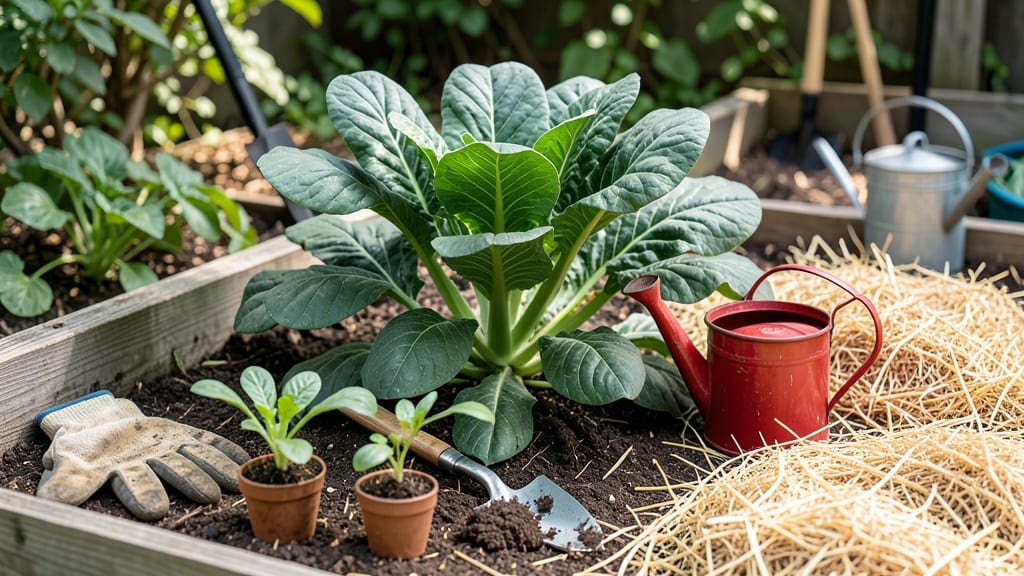
Timing when to plant a fall garden in Mississippi right can mean the difference between a bountiful harvest and wilted dreams—especially when late-summer heat clashes with early frost risks.
The key is planting cool-season crops 6-8 weeks before your first frost date, but Mississippi’s unique microclimates (USDA Zones 7B-8A) twist the rules. If you’ve ever watched your seedlings bolt in August or freeze overnight in October, you know how brutal getting it wrong can be.
I’ve tested these strategies over years in the Magnolia State, and the secret isn’t just picking the right dates—it’s reading your soil and adjusting for heatwaves or sudden cold snaps.
Whether you’re growing fast radishes or hardy kale, knowing when to tuck seeds into warm earth (and when to protect them) is what separates a thriving fall garden from a flop. Let’s break down the exact weeks to plant, plus how to stretch your harvest through Mississippi’s unpredictable fall.
Mississippi’s extended growing season means you can still enjoy fresh produce long after summer’s over—but only if you play by the rules. From leafy greens that love cooler air to root veggies that need time to mature, every crop has its own deadline.
Skip the guesswork: I’ll show you how to time your plantings so you’re harvesting crisp carrots and tender collards when your neighbors are still staring at empty garden beds.
Ready to turn your backyard into a fall harvest goldmine? Grab your calendar and a thermometer—because in Mississippi, the window between “too early” and “too late” is narrower than you think. We’re talking weeks, not months, to get this right. Let’s get started.
Mississippi fall planting timeline by vegetable type: weeks before first frost
Mississippi’s first frost dates typically arrive between November 15-30, depending on your location in USDA Zones 7B-8A. To maximize your fall harvest, plant cool-season crops at the right time—usually 6-12 weeks before frost—but some heat-tolerant varieties can handle later plantings.
The key is balancing soil warmth and daylight hours to avoid bolting or stunted growth.
In northern Mississippi (Zone 7B), where frosts hit earlier, aim to plant most crops by mid-September. Southern regions (Zone 8A) can extend planting until early October, but always monitor weekly temperature trends.
For example, leafy greens like spinach and lettuce thrive when planted 8-10 weeks before frost, while root vegetables such as carrots and beets need 10-12 weeks to mature.
Here’s how to align your planting with Mississippi’s fall frost window for a bountiful harvest:
| Vegetable Type | Weeks Before Frost | Best Varieties for MS | Notes |
|---|---|---|---|
| Leafy Greens | 8-10 weeks | Spinach, Lettuce, Kale, Collards | Heat-tolerant varieties like 'Black Seeded Simpson' lettuce or 'Vates' collards. |
| Root Vegetables | 10-12 weeks | Carrots, Beets, Radishes, Turnips | Loosen soil to prevent forking in carrots; radishes mature in as little as 25 days. |
| Brassicas | 6-8 weeks | Broccoli, Cabbage, Brussels Sprouts | Start seeds indoors 4-6 weeks before transplanting; 'Waltham 29' cabbage is cold-hardy. |
| Herbs | 4-6 weeks | Cilantro, Dill, Parsley, Chives | Cilantro bolts quickly in heat; plant in partial shade for extended harvests. |
| Legumes | 6-8 weeks | Bush Beans, Peas, Turnip Greens | Bush beans like 'Blue Lake' thrive in warm soil; peas prefer cooler temps. |
For late-summer plantings, focus on heat-tolerant varieties like 'Florida Broadleaf' spinach or 'Cherry Belle' radishes, which can handle 85°F soil temperatures better than traditional cool-season crops. These varieties buy you extra time before frost arrives, ensuring a longer harvest window.
If you’re in southern Mississippi (Zone 8A), you might even squeeze in a second planting of fast growers like radishes or lettuce in early October.
Just monitor your local Mississippi State University Extension frost predictions—some years, the first frost hits as early as November 1, while others push it to December 1.
Pro tip: Use row covers or cold frames to extend your harvest by 2-3 weeks after frost. These tools protect tender crops like bok choy or arugula from light frosts (28-32°F) while still allowing sunlight to penetrate. Just remove covers during the day to prevent overheating.
For succession planting, stagger your sowings every 2 weeks for crops like radishes or turnips. This ensures a continuous harvest instead of one big yield.
For example, plant a batch of radishes on September 1, another on September 15, and a final batch on October 1 to enjoy fresh radishes until frost.
Always check seed packet instructions for specific days to maturity, as this varies by variety. For instance, 'Early Wonder' broccoli takes 50 days to harvest, while 'Winter Density' kale can withstand 25°F temperatures and may even sweeten after frost. Match your planting dates to these timelines to avoid disappointment.
Mississippi’s fall garden is all about working with the season’s natural rhythm. By following this planting timeline and adjusting for your local microclimate, you’ll enjoy fresh, homegrown produce well into winter—even if it’s just a handful of hardy greens peeking through the frost.
How to adjust planting dates based on Mississippi’s microclimates and soil temperature
Mississippi’s diverse climate means northern regions like Zone 7B (e.g., Tupelo) face earlier frosts than Zone 8A (e.g., Biloxi). Adjust planting dates by 2-4 weeks based on your location—start earlier in the south, later in the north to avoid premature frost.
Urban gardens often experience higher heat retention from pavement, while rural areas cool faster at night. Test your soil temperature with a thermometer—most cool-season crops need 50°F+ for germination. Wait until late August for northern MS or early September for southern MS.
Signs of premature frost include white frost on grass by dawn or temperature drops below 32°F. Use row covers or black plastic mulch to protect seedlings if frost threatens. Monitor local forecasts and extend harvests with cold frames for hardy greens.
🌱
⚠️ Frost Risk Zones in Mississippi
Northern MS (Zone 7B): First frost Nov 15–Dec 1. Plant 6–8 weeks before (late Aug–early Sept). Use row covers after Oct 15.
Southern MS (Zone 8A): First frost Dec 1–15. Plant 4–6 weeks before (early Sept–early Oct). No covers needed if soil stays warm.
Urban Heat Islands: Soil stays 5–10°F warmer than rural areas. Plant 1–2 weeks later to avoid bolting in leafy greens.
For soil temperature adjustments, aim for 60–70°F for optimal germination. Use a soil thermometer or press your hand into the soil—if it feels cool but not cold, it’s ready. Carrots and radishes germinate fastest in 60°F+ soil, while kale tolerates cooler 50°F soils.
Extend your fall harvest window by 3–4 weeks with succession planting. Sow fast growers like radishes every 2 weeks until October 15, then switch to slower crops like broccoli or cabbage for late-season harvests.
Protect tender seedlings with floating row covers or cloches if nights dip below 40°F. Remove covers during the day to prevent overheating—especially for heat-sensitive crops like lettuce or spinach.