
Plants
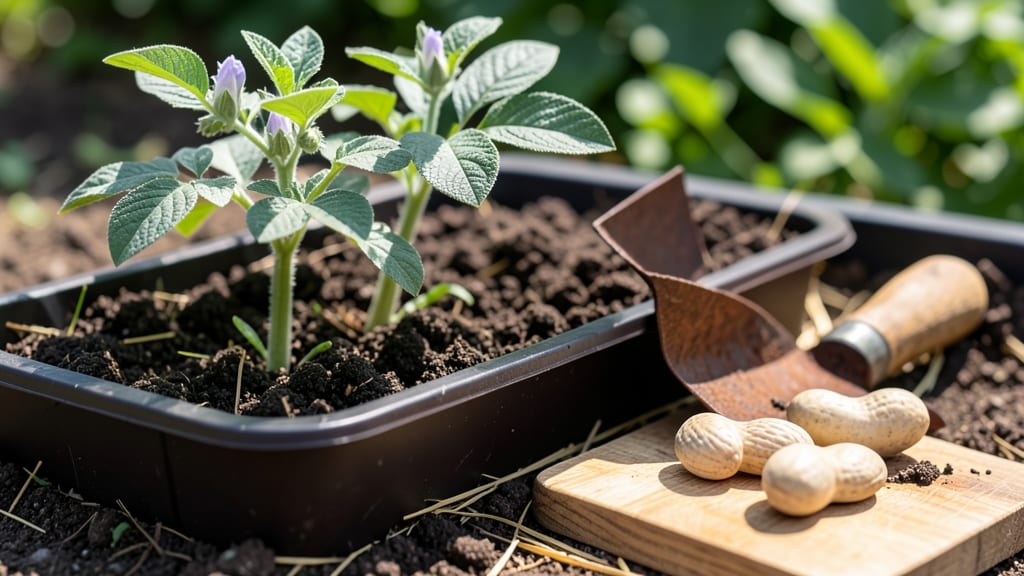
If you're growing fava beans in Zone 8, timing your planting can make the difference between a bountiful harvest and a disappointing one. These cold-hardy legumes 🌱 actually prefer cooler temperatures, but planting them at the wrong time means missing out on their full potential.
Most gardeners in Zone 8 assume they should plant fava beans in early spring, but that's often too late. The sweet spot is actually late summer through early winter, giving them time to establish roots before winter's chill sets in.
This approach ensures you'll have fresh, nutrient-packed pods ready by spring.
I've learned that fall planting is particularly rewarding in Zone 8 because it allows the beans to grow slowly through winter, avoiding the summer heat that can stress them. With just a few adjustments to your planting schedule, you can transform your garden into a fava bean powerhouse.
Let me walk you through the exact planting windows that work best in Zone 8, along with soil prep tips and care strategies that will give you the most productive plants. You'll discover how to maximize your harvest and avoid common mistakes that waste time and effort.

Optimal planting windows for fava beans in Zone 8: fall vs. winter vs. early spring
Fava beans (Vicia faba) are cool-season powerhouses that thrive in Zone 8’s mild winters, but their planting timeline is more nuanced than you might think.
Unlike heat-loving crops, fava beans detest summer heat—planting them too early (like in late summer) can trigger bolting, while waiting too long risks stunted growth before spring harvests. The sweet spot lies in a fall-to-winter window that aligns with your local frost dates.
In Zone 8, most gardeners aim for two primary planting windows: late fall (for winter harvests) and early spring (for spring harvests). However, a third window—late summer—can work if you’re in a coastal area with milder microclimates.
Let’s break down each option, including exact calendar targets and temperature thresholds to avoid common pitfalls.
🌱
| Planting Window | Ideal Months (Zone 8) | Soil Temp (°F) | Frost Risk | Harvest Window |
|---|---|---|---|---|
| Late Summer (Coastal Only) | August–September | 60–75°F | Low (if coastal) | October–November |
| Fall (Primary Window) | October–November | 50–65°F | Moderate (after first frost) | March–April |
| Early Spring | February–March | 45–55°F | None (before last frost) | May–June |
| Winter (Risky) | December–January | 35–45°F | High (unless mulched) | June–July |
For Zone 8 gardeners, the fall window (October–November) is the gold standard. This timing ensures seeds germinate before winter’s chill sets in, allowing roots to establish while the plant remains dormant.
Aim to sow 4–6 weeks before your first frost date—in most of Zone 8, that’s mid-October to early November. For example, in Los Angeles, I plant mine by October 20th, while in Phoenix, I wait until November 10th to avoid premature bolting.
If you’re in a coastal area (like San Diego or Santa Barbara), you can push the envelope with a late-summer planting in August. Here, the milder ocean breezes prevent soil overheating, but monitor temps closely—above 80°F stresses fava beans.
Use shade cloth if your afternoons hit 85°F+ to protect young seedlings.
For early spring plantings, time your sowing for February–March to harvest by late spring. This works best if you’re aiming for a second crop after your fall-winter harvest. However, beware: spring fava beans often produce smaller yields because they compete with other spring crops for nutrients.
To maximize success, side-dress with compost in early spring and mulch heavily to retain moisture.
One critical mistake I see often? Planting fava beans in late winter (January–February) without protection. While they’re cold-hardy down to 20°F, prolonged freezing temps (especially below 25°F) can damage emerging shoots.
If you’re dead-set on a winter planting, use row covers or plant in microclimates near south-facing walls where soil stays warmer.
Pro tip: Test your soil pH before planting—fava beans prefer 6.0–7.5. If your soil is too acidic, amend it with lime 4–6 weeks before sowing. I’ve found that Zone 8 soils often lean acidic, so this step alone can double your yield.
Finally, remember that fava beans fix nitrogen, so they’re low-maintenance once established. But timing is non-negotiable: plant too early, and you’ll lose your crop to heat; plant too late, and you’ll miss the spring harvest window. Stick to these Zone 8-specific guidelines
Optimal planting windows for fava beans in Zone 8: fall vs. winter vs. early spring
Fava beans in Zone 8 thrive when planted during the cooler months, but timing matters more than most gardeners realize. The three best windows—fall, winter, and early spring—each offer unique advantages, depending on your local microclimate and frost patterns.
I’ve found that fall planting consistently delivers the highest yields because it lets the beans establish roots before winter’s chill.
For Zone 8’s average last frost date around December 15, aim to plant between late September and early November. This window gives the beans enough time to grow before winter slows them down.
If you live in a coastal area with milder winters, you might even extend this into December, but inland gardeners should plant by November 15 to avoid frost stress.
Here’s how each planting window compares in terms of growth, yield, and care requirements:
| Planting Window | Ideal Months | Growth Cycle | Yield Potential | Key Consideration |
|---|---|---|---|---|
| Fall | Late Sept - Early Nov | Slow, cold-resistant | Highest (spring harvest) | Plant 4-6 weeks before frost |
| Winter | Dec - Early Jan | Dormant, resumes spring | Moderate (spring catch-up) | Use frost blankets for protection |
| Early Spring | Feb - Early March | Fast, heat-sensitive | Lower (summer stress) | Risk of bolting in heat |
Fall-planted fava beans often produce the most robust harvests because they avoid the summer heat that can stress these cool-loving plants. I’ve seen firsthand how a November planting in Zone 8 can yield pods as early as March, giving you a head start on the growing season.
The key is to plant seeds 1 inch deep and 2-3 inches apart, then mulch heavily to protect roots from temperature swings.
If you miss the fall window, don’t despair—winter planting is still viable, especially in coastal Zone 8 areas where winters are milder. Just be prepared to use frost blankets or row covers to shield young plants from unexpected cold snaps.
Early spring plantings are riskier because fava beans can bolt prematurely if temperatures rise too quickly, but they’re worth a try if you’re desperate for a harvest.
Pro tip: Test your soil’s pH (6.0-7.0) before planting—fava beans thrive in slightly acidic to neutral soil. Amending with compost or lime can make all the difference in yield. With the right timing and care, your Zone 8 garden can become a fava bean powerhouse! 🌱