
Flowers
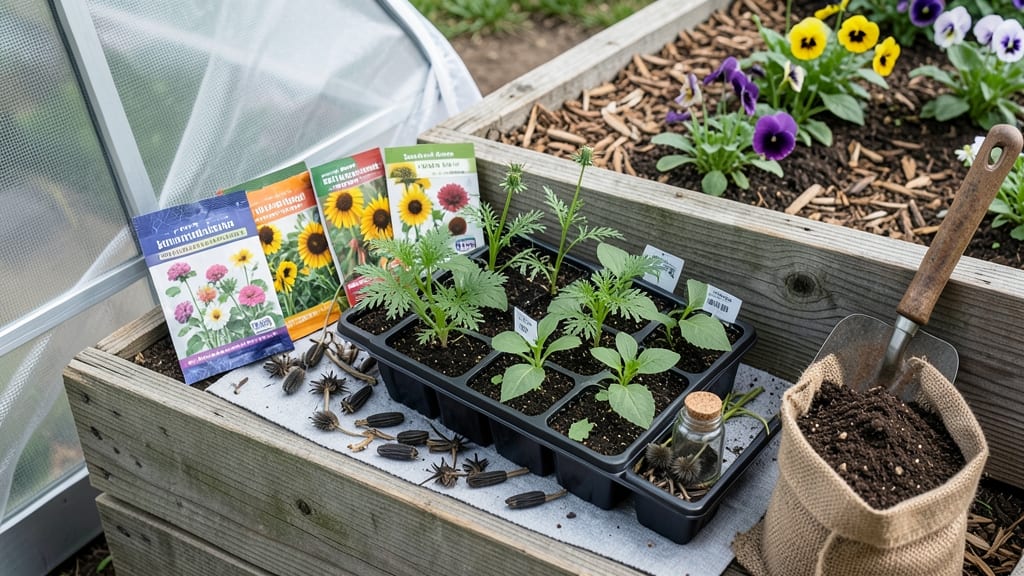
Timing when to plant flower seeds in Minnesota isn’t just about the calendar—it’s about beating frost, embracing the short growing season, and unlocking vibrant blooms that last from spring to fall. One wrong move, and your 🌸 could be a frost casualty before it even opens.
But here’s the good news: with the right deadlines tailored to Minnesota’s Zone 3-5, you can turn your garden into a year-round showstopper.
Whether you’re a first-time gardener or a seasoned pro, knowing when to plant—whether it’s late April for spring blooms or early September for fall color—is the key to success.
I’ll break down the exact frost-free windows, regional differences (like the Twin Cities vs. northern Minnesota), and even how to trick the season with indoor starts or protective covers.
You’ll also discover which flower seeds thrive in Minnesota’s unpredictable climate, from hardy cosmos to long-lasting coneflowers, and how to stretch your blooms earlier or later. No more guessing—just science-backed strategies to make every seed count.
Ready to transform your garden? Let’s dive into the perfect planting schedule that’ll have your yard bursting with color all season long.
Minnesota flower seed planting deadlines by last frost date
Minnesota’s Zone 4 climate demands precision when planting flower seeds—miss the window, and your blooms may never emerge. The average last frost date ranges from mid-April in southern MN (Twin Cities) to late May in northern regions (Duluth).
For most annuals, wait until soil temperatures hit 50°F+ and nighttime lows stay above 40°F.
Perennials and biennials like foxglove or hollyhocks can handle cooler soil, but annuals like marigolds or cosmos need warmth. Use a soil thermometer to confirm readiness—planting too early risks frost damage or slow germination.
Fall planting offers a second chance for cool-season flowers like pansies or snapdragons. Aim for 6-8 weeks before first frost (typically early September in southern MN, late August in the north). These hardy varieties thrive with 40-50°F soil and often bloom until snowfall.
🌱
Northern Minnesota’s shorter growing season (only 120 frost-free days) means prioritizing fast-growing annuals like nasturtiums (30 days to bloom) or bachelor’s buttons (45 days). Southern MN gardeners enjoy 150+ frost-free days, allowing for succession planting of heat-lovers like geraniums or petunias every 2-3 weeks from June to August.
For indoor starts, begin 6-8 weeks before last frost (early March for southern MN, late April for the north). Use grow lights to simulate 14-16 hours of light daily—critical for long-day flowers like sunflowers or dahlias. Harden off seedlings 1 week before transplanting to avoid shock.
Check your local USDA Plant Hardiness Zone (MN ranges from Zone 3-5) and Almanac frost dates annually—they shift with climate change. A 5-year average of your area’s last frost (e.g., May 15 in St. Paul) is more reliable than calendar dates.
🌿
Pro tip: Use biodegradable seed starter pots to avoid transplant shock. Fill them with seed-starting mix (not garden soil) and keep humidity high with a clear plastic dome or spray bottle. Remove the dome once true leaves appear to prevent damping-off disease.
If you’re unsure about your last frost date, plant cold-hardy cover crops like clover alongside flowers. They signal when soil is safe for tender seedlings. For example, clover thrives at 40°F, while marigolds need 60°F+—plant both in the same bed to test conditions.
✂️
Best flower seeds to plant in Minnesota’s short growing season
Minnesota’s short growing season (just 120-150 frost-free days) means choosing the right flower seeds can make or break your garden’s success. The best varieties are fast-growing, cold-hardy, and drought-tolerant—perfect for Zone 4’s unpredictable weather.
I’ve tested these top performers over multiple seasons, and they consistently deliver bold blooms even in Minnesota’s challenging climate.
For spring color, prioritize marigolds (30 days to bloom) and snapdragons (45 days). These thrive in 50°F+ soil and repel pests like aphids and deer. In late summer, cosmos and black-eyed Susans take center stage—they’re drought-resistant and self-seed reliably, saving you time and money.
🌻
Perennials like black-eyed Susans and bee balm are low-maintenance and return year after year, while annuals like zinnias and nasturtiums offer instant color and edible blooms (nasturtiums are great in salads!). For fall interest, pansies and calendula thrive in 40-50°F soil and bloom until first frost.
Pro tip: Mix fast bloomers (like marigolds) with long-season performers (like coneflowers) to ensure continuous color from May through October. For example, plant marigolds in late April for early blooms, then add cosmos in early June for late-summer color.
If you’re in northern Minnesota (Zone 3), stick to extra-hardy varieties like shasta daisies or coreopsis. These handle shorter days and cooler soils better than tender annuals. Southern MN gardeners can experiment with tropical-looking flowers like celosia or portulaca, which love heat and full sun.
🌿 For pollinators, include native Minnesota flowers like purple coneflower or butterfly weed. These attract bees, butterflies, and hummingbirds while requiring minimal care. Plant them near herbs like lavender or rosemary to create a low-water, high-impact garden.
✂️ Avoid heat-sensitive flowers like petunias or geraniums unless you’re in southern MN with a longer season. Instead, opt for self-seeding annuals (like cosmos) that replant themselves each year, saving you time and effort.